Anthropic Hits $965 Billion Valuation, and I'm Trying to Make Sense of the Numbers
A $65 billion raise that eclipses OpenAI. I've seen big valuations before, but this one's got me scratching my head.
Crédito de imagen: Image via source article. Used under fair use for news commentary. · source
I was sitting in my home office yesterday, flipping through some old trade magazines (yes, I still get paper copies of a few), when my phone buzzed with the news. Anthropic just raised $65 billion. Valued at $965 billion. Eclipsing OpenAI.
I'll be honest, I had to read it twice.
What exactly happened here?
According to Bloomberg, Anthropic PBC closed a funding round that valued the company at $965 billion including the new investment. The round was led by Altimeter Capital, Dragoneer, Greenoaks, and Sequoia Capital. Each of the lead investors reportedly put in more than $2 billion. Sequoia declined to comment, and the others didn't respond to requests.
Now look, I spent 12 years at Kuka. I've seen capital flow into automation and robotics in waves. The mid-2010s were wild, everyone wanted a piece of collaborative robots after Universal Robots showed what was possible. But $65 billion in a single round? For context, when I was at Kuka, the entire company was acquired by Midea for about $5 billion in 2016, and we thought that was a staggering number.
Why does this matter for robotics?
Here's the thing. Anthropic makes Claude, the AI model. They're not building robots. But every industrial automation company I talk to (I called my old colleague at Siemens last week, actually) is trying to figure out how to integrate large language models into their systems. Motion planning, natural language interfaces for operators, predictive maintenance. The money flowing into foundation model companies eventually trickles down, or floods down in this case, into robotics applications.
Cobertura relacionada
More in AI Models
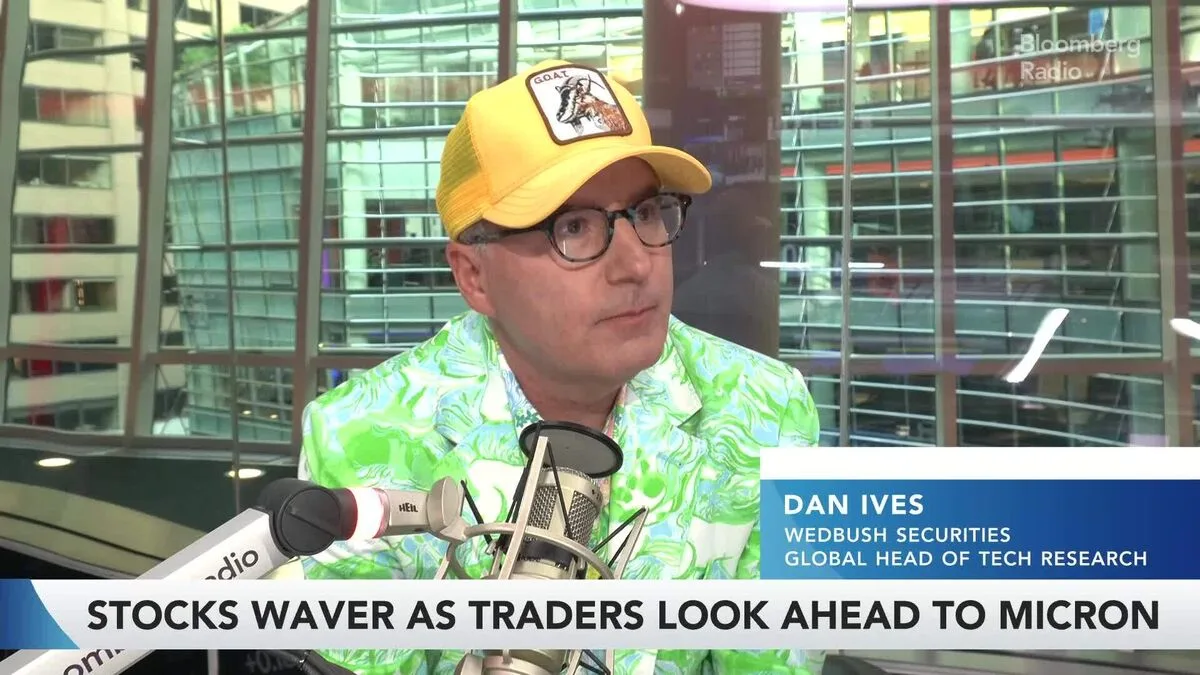
Chipmakers swung wildly this week, from a Tuesday 'chip-wreck' to a Micron-led surge after hours. What's actually going on with AI's hardware backbone?
Sarah Williams · 26 Jun · 5 min
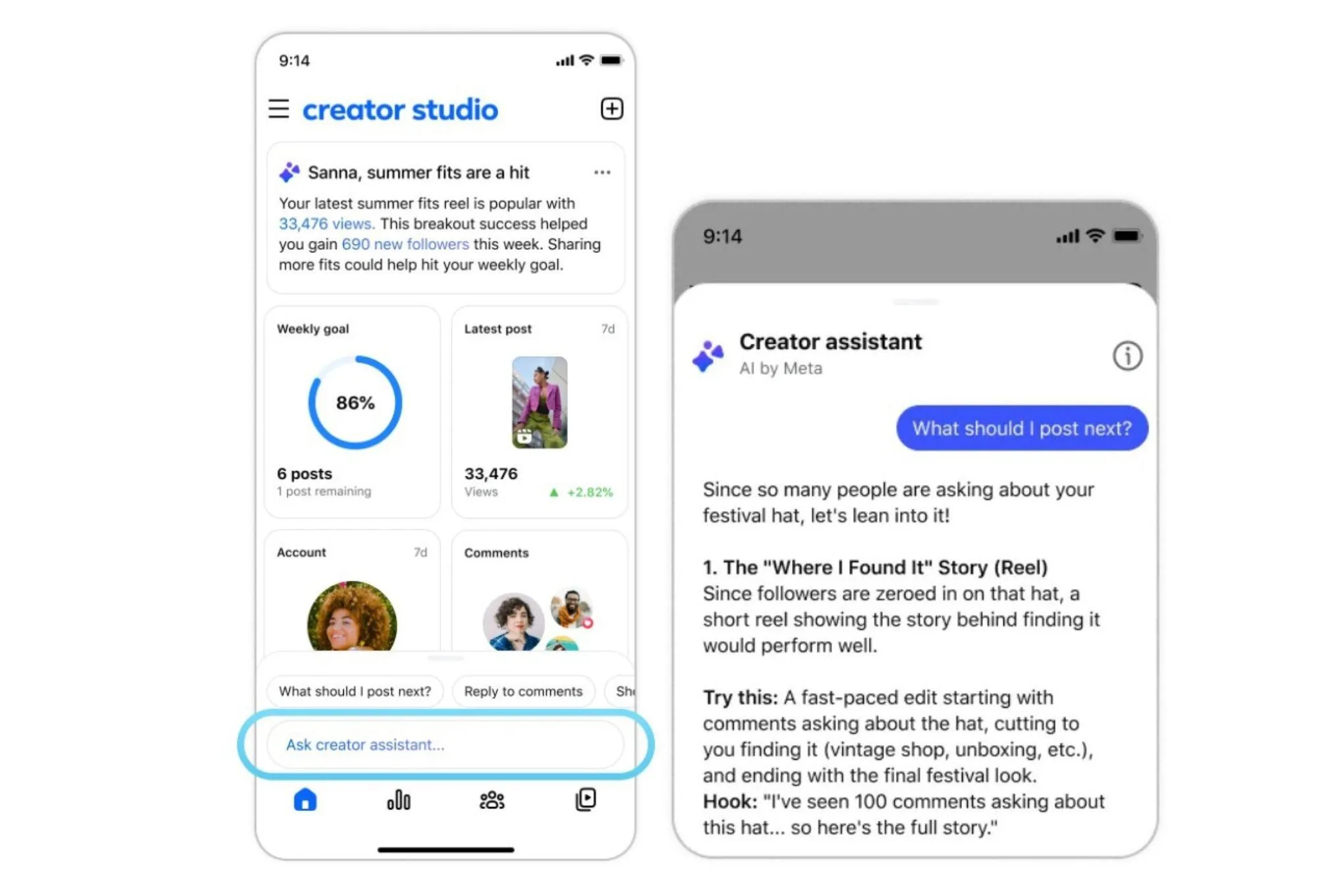
The original Creator Studio was shut down in 2023. Now it's back, rebuilt around an AI assistant that promises to grow your audience and reply to comments in your voice.
Sarah Williams · 26 Jun · 5 min
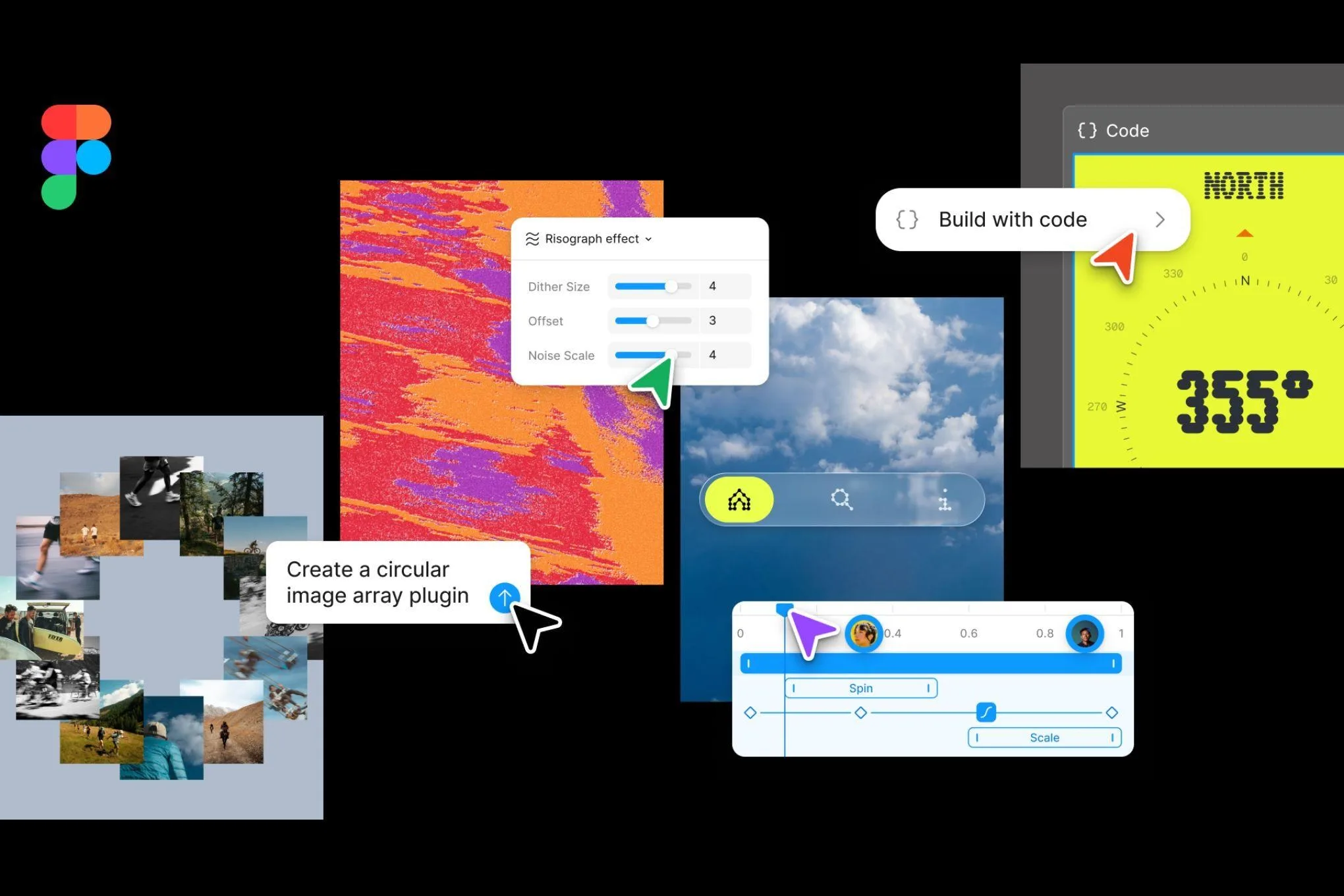
At its annual Config conference, Figma announced coding layers, AI-generated motion graphics, and a reimagined canvas that blurs the line between design and full-stack development.
Sarah Williams · 26 Jun · 5 min
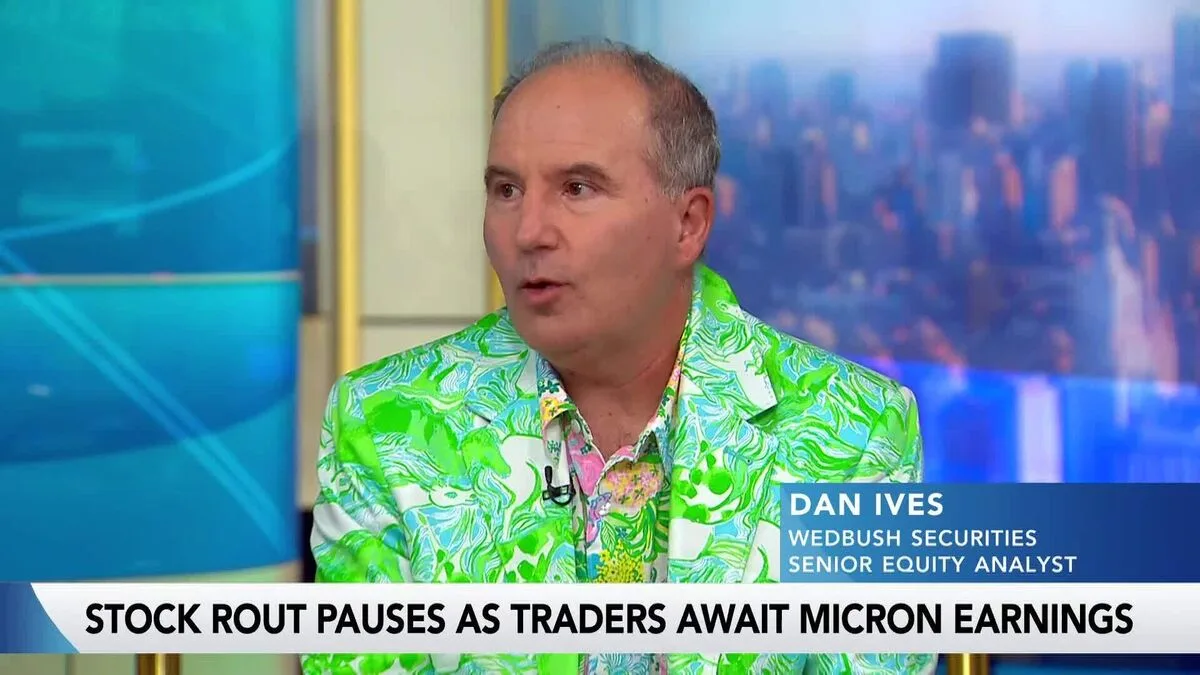
Everyone talks about chips and models. The memory bottleneck is the part of the AI buildout that keeps getting underestimated, and Micron's latest earnings make that case hard to ignore.