Sam Bankman-Fried Wants a Pardon, and I've Seen This Movie Before
The FTX founder's formal pardon application is the latest chapter in a story that feels awfully familiar to anyone who's watched tech's relationship with political power.
Bildnachweis: Image via Source article. Used under fair use for news commentary. · source
Remember when we thought the crypto winter would at least give us some accountability? That the courts would do their thing, the convicted would serve their time, and we'd all move on a little wiser? Well, call me old-fashioned, but I thought that's how this was supposed to work.
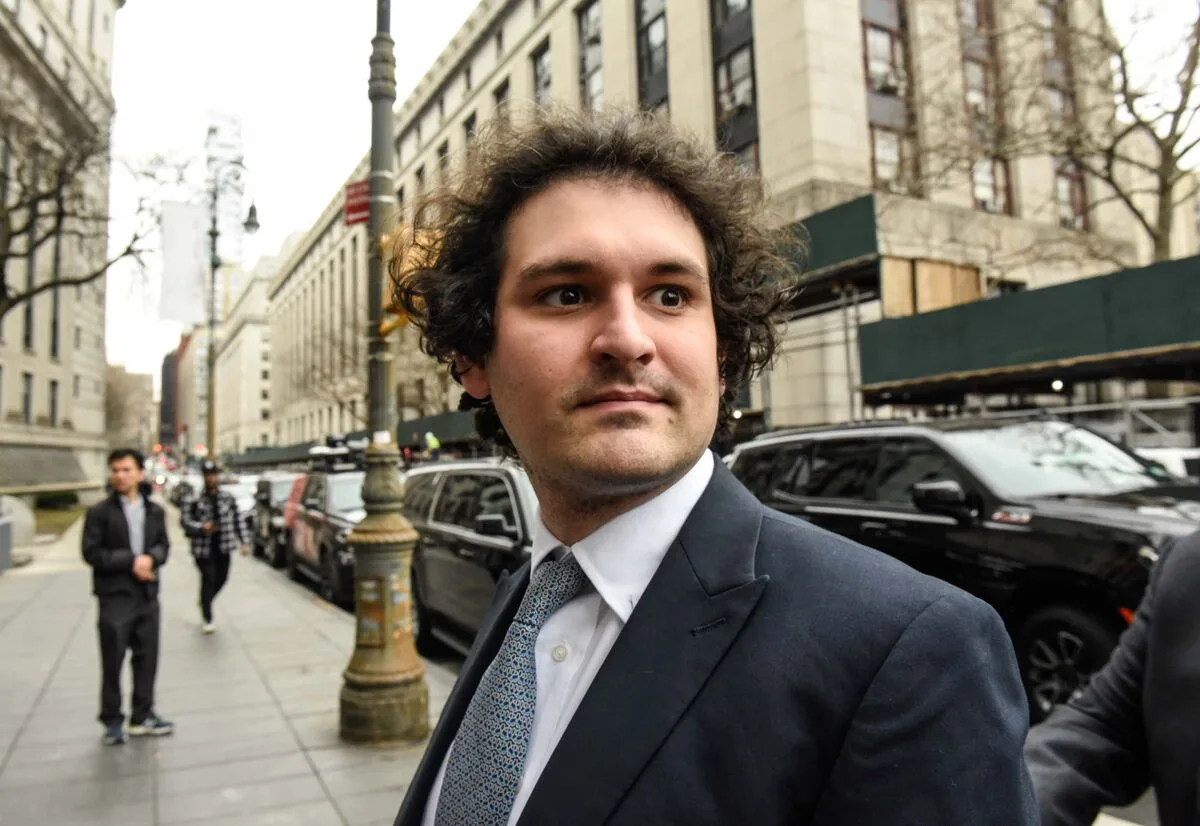
Sam Bankman-Fried, the former wunderkind behind FTX who was convicted over the multi-billion dollar collapse of his cryptocurrency empire, has formally applied for a presidential pardon from Donald Trump. This according to Bloomberg, and it's the kind of news that makes you want to close your laptop and take a very long walk.
It's been more than two years since the conviction. Two years since a jury looked at the evidence, the missing customer funds, the tangled web of Alameda Research, the whole spectacular mess, and said yes, this man committed serious crimes. And now here we are, watching someone who defrauded thousands of people essentially ask for a do-over because the political winds might be blowing his direction.
I've covered tech long enough to know that the industry has always had a complicated relationship with consequences. The move fast and break things ethos was never really about accepting responsibility for what got broken, it was about getting far enough ahead that the broken pieces didn't matter anymore. Bankman-Fried took that philosophy and applied it to other people's money, which tends to get the attention of prosecutors in a way that breaking software doesn't.
Verwandte Beiträge
More in Policy
Everyone's framing this as a Windows headache, but the real story is what it means for the billion-plus devices that nobody's going to patch in time.
Mark Kowalski · 25 Jun · 6 min
The billionaire chairman of Australian logistics software giant WiseTech is under scrutiny again, and this time investors appear to be running out of goodwill.
Sarah Williams · 22 Jun · 4 min
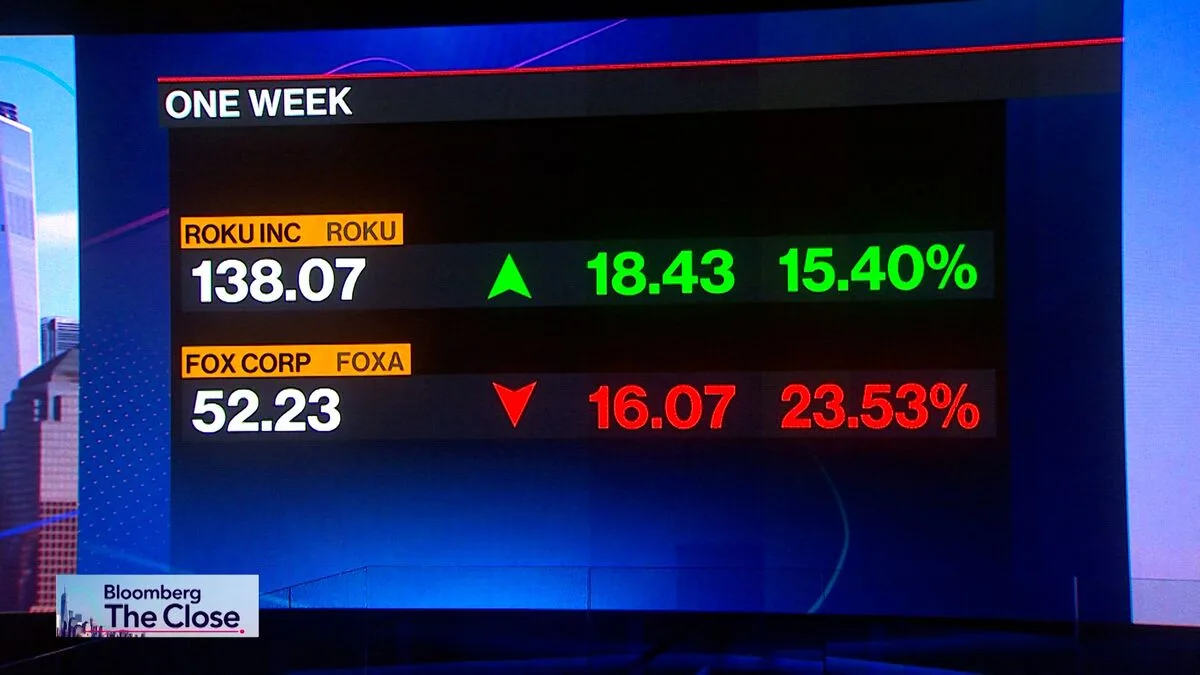
The ad-supported streaming wars just got a lot more expensive. Fox's blockbuster Roku deal is either a masterstroke or a very pricey panic move, depending on who you ask.
Mark Kowalski · 20 Jun · 7 min
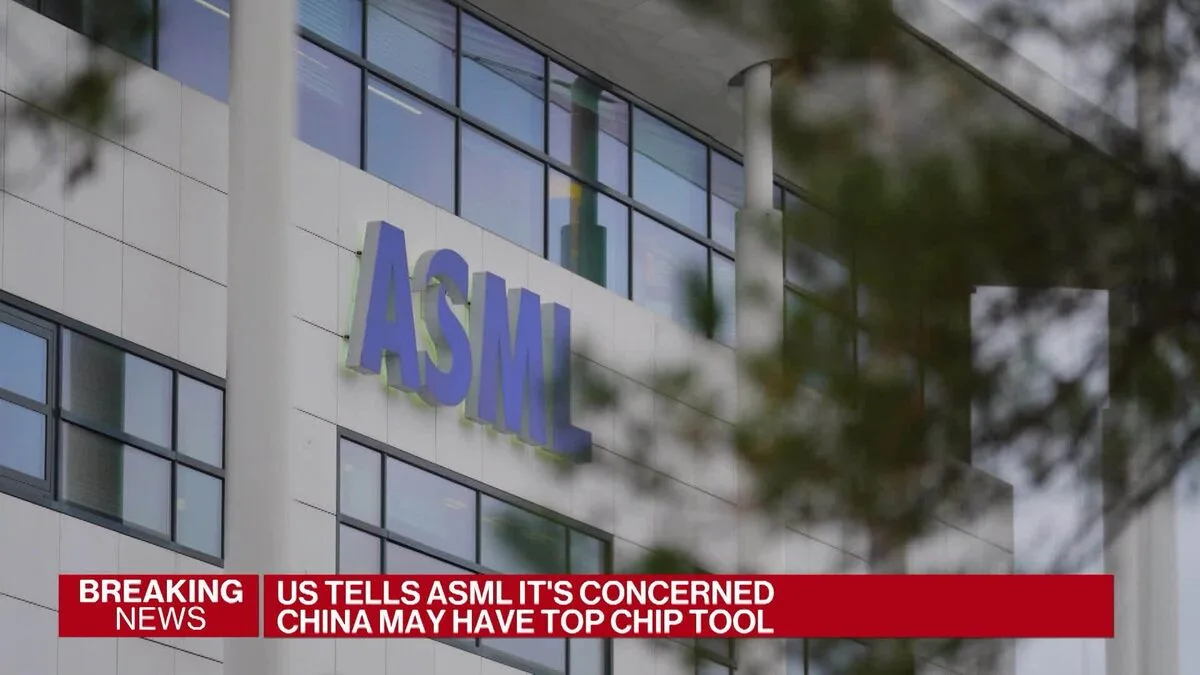
The US government thinks it might have, and that's a very big deal for the future of AI hardware and anything built on top of it.
Here's what strikes me about this whole situation, and maybe I'm just getting cynical in my old age (but what do I know). We keep watching the same cycle play out. Young founder builds something fast, cuts corners that would make a safety inspector faint, accumulates enough wealth and influence to seem untouchable, and then when it all falls apart, they're genuinely surprised that the rules apply to them too.
The details change. Sometimes it's autonomous vehicles, sometimes it's social media, sometimes it's cryptocurrency. But the underlying assumption is always the same: that being smart enough to build something big means you're somehow exempt from the boring constraints that govern everyone else. That innovation is its own justification.
Bankman-Fried was particularly good at this game, at least for a while. He cultivated an image as the responsible crypto guy, the one who'd talk to regulators, who'd wear the shorts and the messy hair to signal that he wasn't like those other finance bros. He was effective altruism personified, supposedly trying to make money so he could give it away and save the world. Turns out the effective part was mostly about the accumulation, not so much the altruism.
The pardon application raises some uncomfortable questions that I don't think we're going to get good answers to anytime soon:
What does it say about our system when someone convicted of defrauding billions can reasonably expect a pardon might be on the table?
How much did political donations (and the promise of future ones) factor into this calculation?
Will this embolden other founders currently pushing ethical boundaries to assume they can buy their way out of consequences later?
And most importantly, what message does this send to the thousands of FTX customers who lost their savings?
I don't have answers to most of these. It's too early to say whether this application will go anywhere, and honestly, the political calculus involved is above my pay grade. What I can say is that the mere fact we're having this conversation feels like a failure of something.
The crypto industry spent years telling us it was building a new financial system, one that would be more transparent, more fair, more accessible than the old one. What we got instead, in too many cases, was the same old financial chicanery dressed up in blockchain jargon. FTX wasn't a bug in the system, it was a feature of an industry that grew too fast with too little oversight, run by people who convinced themselves and others that the old rules were for dinosaurs who just didn't get it.
I've seen this pattern before! The dot-com bubble had its share of founders who thought they'd reinvented economics. The early smartphone era had executives who genuinely believed privacy concerns were just something old people worried about. Self-driving cars were supposed to be everywhere by now, remember? Each time, the hype outran the reality, and each time, some people got very rich while others got hurt.
What's different now, maybe, is the scale of the political entanglement. Bankman-Fried wasn't just a tech founder who got too big for his britches, he was a major political donor who cultivated relationships across the aisle. His parents are Stanford law professors with their own connections. The FTX collapse wasn't just a business failure, it was a political embarrassment for everyone who'd taken his money or his meetings.
So when he applies for a pardon, it's not just one guy asking for clemency. It's a test of whether the rules really do apply equally, or whether there's a tier of wealth and connection where consequences become optional. The answer to that question matters for a lot more than just cryptocurrency.
Look, I'm not naive. Pardons are a normal part of the presidential power, and plenty of them throughout history have been controversial. But there's something particularly galling about watching someone who built his empire on the promise of disrupting corrupt financial systems now turning to the oldest political favor in the book to escape accountability for, well, running a corrupt financial system.
The kids building the next generation of tech companies are watching this. The young founders who are right now making decisions about how much compliance matters, how seriously to take user funds, whether to cut corners because they're moving fast, they're taking notes. And what they're learning is that if you get big enough, if you make the right friends, if you donate to the right campaigns, maybe the rules are more like guidelines.
That's a terrible lesson. It's also, unfortunately, probably an accurate one.
I don't know whether Trump will grant the pardon. The political considerations are complicated, and frankly, trying to predict what happens next in any of this feels like a fool's errand. What I do know is that the application itself tells us something important about how power works in tech, and it's not a flattering picture.
If you want to argue with me about this, my email's on the about page. I'll be here, watching this play out and probably getting more grumpy about it as time goes on. Some things never change, and apparently one of them is tech's belief that enough money can solve any problem, even the problem of having stolen a lot of other people's money in the first place.