Fox Pays $22 Billion for Roku and Suddenly Everyone's Paying Attention to Free TV
The ad-supported streaming wars just got a lot more expensive. Fox's blockbuster Roku deal is either a masterstroke or a very pricey panic move, depending on who you ask.
Bildnachweis: Image via Bloomberg — Technology. Used under fair use for news commentary. · source
Fox just dropped $22 billion on Roku, and if you're surprised, you haven't been paying attention. I've seen this movie before. A legacy player watches a new distribution model quietly eat their lunch for five years, then spends an obscene amount of money to buy their way in. It happened with cable. It happened with broadband. And now it's happening with streaming, except this time the twist is that the streaming in question is free.
Free! Ad-supported. The thing the industry spent a decade sneering at is now the thing everyone's scrambling to own.
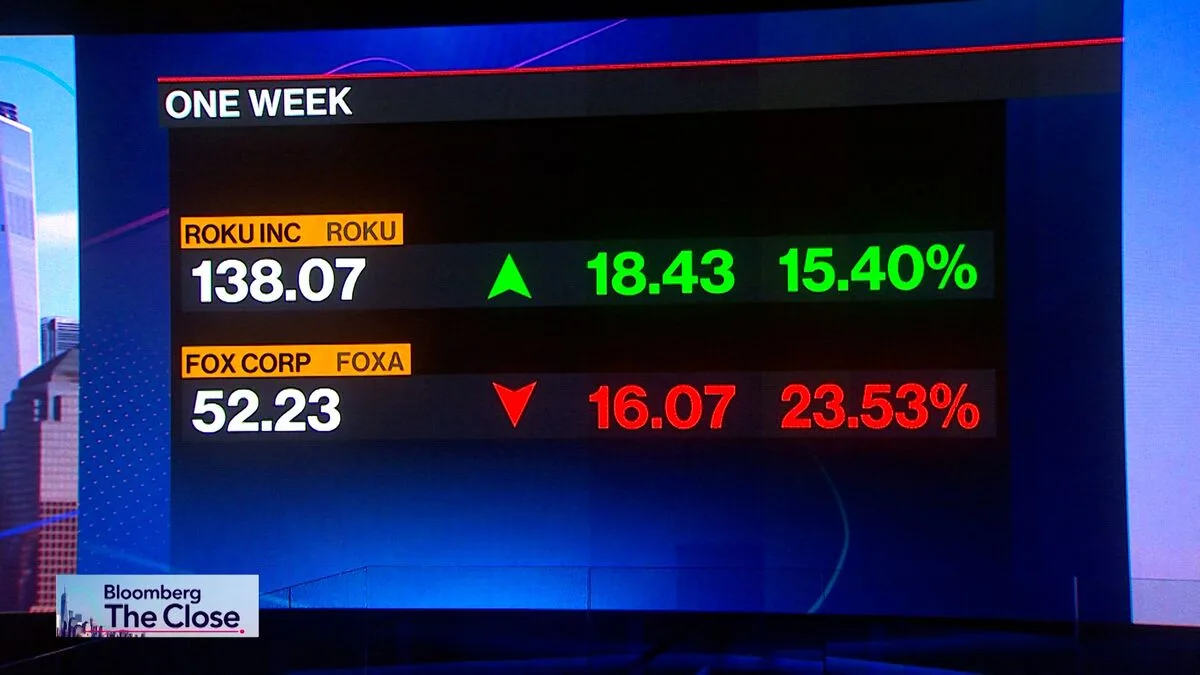
Fox Corp. agreed to acquire Roku in a deal valued at roughly $22 billion, according to Bloomberg. Fox, which has spent the streaming era in an awkward position, already had Tubi, its free ad-supported streamer, but it lacked the platform infrastructure that Roku has spent years building. Roku isn't just a content play. It's a distribution layer, an operating system for a significant chunk of American living rooms, and a massive advertising data business wrapped inside a little purple remote.
So Fox didn't just buy a streaming service. It bought the pipes.
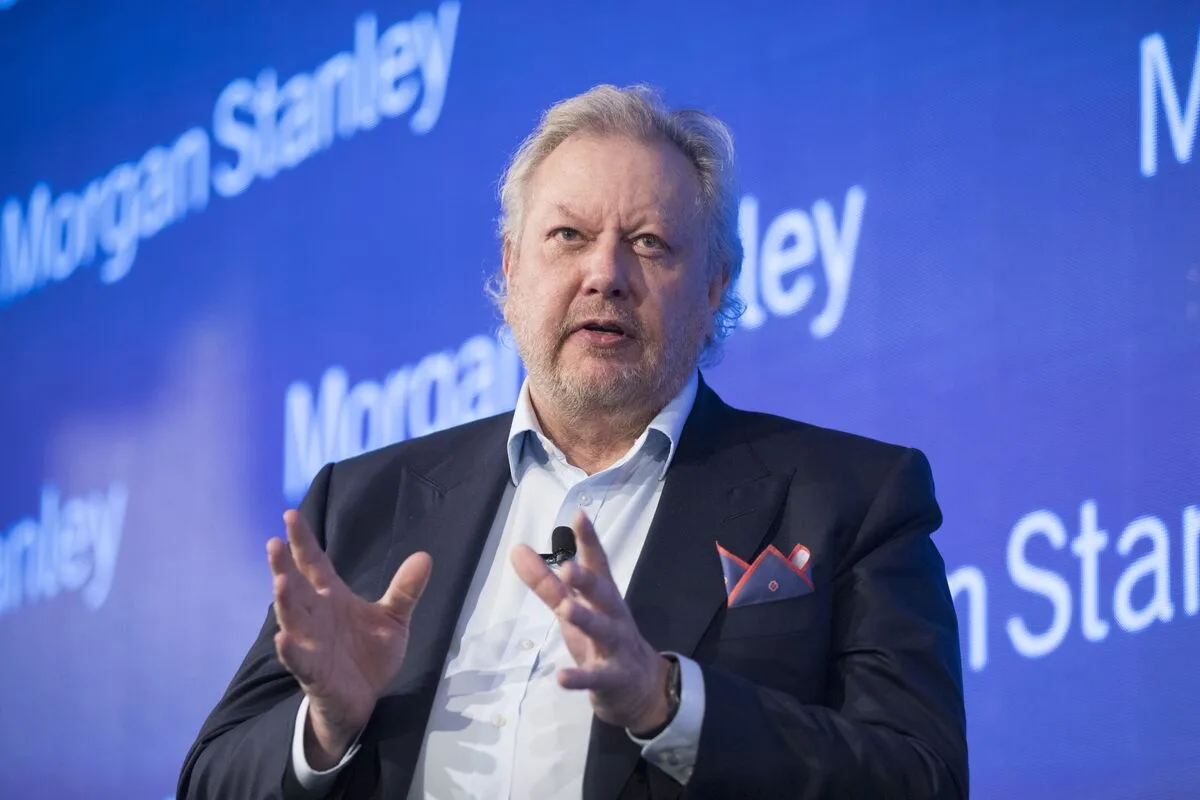
Kevin Mayer, the former Walt Disney Direct-to-Consumer chair who now runs Candle Media, put it plainly: ad-backed streaming, in his words, "snuck up" on the industry. That's a polite way of saying that a lot of very well-compensated executives spent years building expensive subscription businesses while AVOD (that's ad-supported video on demand, for the acronym-averse) quietly accumulated hundreds of millions of users who simply didn't want to pay a monthly fee. Turns out there are a lot of those people. Shocking, I know.
Verwandte Beiträge
More in Policy
Everyone's framing this as a Windows headache, but the real story is what it means for the billion-plus devices that nobody's going to patch in time.
Mark Kowalski · 25 Jun · 6 min
The billionaire chairman of Australian logistics software giant WiseTech is under scrutiny again, and this time investors appear to be running out of goodwill.
Sarah Williams · 22 Jun · 4 min
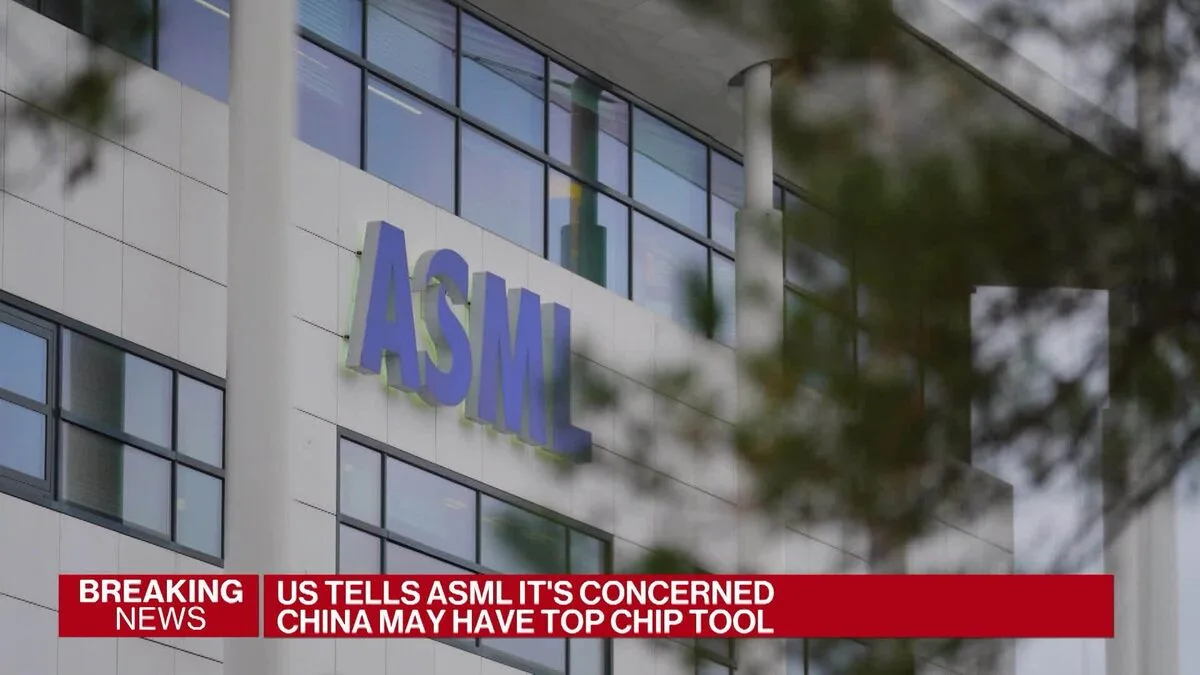
The US government thinks it might have, and that's a very big deal for the future of AI hardware and anything built on top of it.
Sarah Williams · 20 Jun · 4 min
Three Amazon engineers testified at Seattle City Council. A week later, they were called into meetings with 'Employee Relations.' Draw your own conclusions.
This is where it gets interesting, and sort of uncomfortable for the legacy media crowd.
Fox was, in a real sense, the last major media company without a credible streaming infrastructure. Disney has Disney+. Warner Bros. Discovery has Max. Paramount has Paramount+. NBC has Peacock. Fox had Tubi, which is genuinely good and genuinely underrated, but Tubi without a platform is like having a great restaurant with no foot traffic on the block. Roku gives Fox the storefront.
More importantly, Roku's data and advertising technology is the real prize here. The connected TV advertising market is growing fast, and the companies that control the interface between viewer and advertiser are going to extract serious value from that growth. Fox saw that and moved. Whether $22 billion is the right price is a different question entirely, and it's honestly too early to say. These platform acquisitions have a long history of looking either brilliant or catastrophic depending on execution, and execution is the part nobody can predict at signing.
Mayer's framing is useful here. He argues that the Fox-Roku deal illustrates just how central free, ad-supported streaming has become to the industry's future. The subscription model, which everyone assumed would be the dominant endgame, is under real pressure. Password sharing crackdowns, subscription fatigue, price increases, all of it is pushing casual viewers back toward free options. The industry built its entire strategic roadmap around getting people to pay $15 a month, and the consumers said, actually, no thanks.
Yes and no. The data was there, but the industry's response was slow and, call me old-fashioned, a little arrogant. There's a particular kind of Silicon Valley and media executive who genuinely believed that if you built a premium enough product, consumers would pay. And some do! Netflix still has over 300 million subscribers. But the addressable market for free streaming turns out to be enormous, particularly internationally and among younger viewers who grew up with YouTube and never developed the habit of paying for TV.
I've covered enough tech cycles to know what this pattern looks like. The incumbents dismiss the low-end disruption, then they scramble to acquire it, then they overpay. The cable companies did it with broadband. The broadcasters did it with cable. The question isn't whether this is happening again, it's whether Fox overpaid by enough to matter.
$22 billion is a lot. Roku's market cap had been considerably lower than that in recent years, which means Fox paid a substantial premium. What remains unclear is whether Roku's advertising platform and device ecosystem can generate enough incremental value to justify that premium, or whether Fox is essentially paying for the privilege of not being left out of a market that was always going to be competitive.
Probably accelerates consolidation, which is the boring but accurate answer.
If Fox can integrate Roku's distribution with Tubi's content and its existing sports and news assets, it has a genuinely interesting bundle. Sports rights remain enormously valuable, and Fox holds a lot of them. Tubi has been building out its content library quietly and effectively. And Roku gives the whole thing a direct-to-consumer delivery mechanism that bypasses the traditional pay-TV bundle entirely.
For the other players, this raises questions about, well, multiple things. Does Amazon need to double down on Fire TV? Does Google need to be more aggressive with its TV platform? Does Samsung's smart TV OS suddenly look more strategic? Every company that operates a connected TV interface is now sitting in a slightly different competitive position than it was before this deal.
And then there's the advertising angle, which is probably the most important angle and the one that gets the least attention in the breathless deal coverage. The connected TV advertising market is projected to keep growing as linear TV audiences decline. The company that controls the data layer, that knows what people are watching, when, on what device, in what household, has enormous leverage over advertisers. Roku has spent years building that data infrastructure. Fox just bought it.
Honestly, probably yes, with caveats large enough to drive a truck through.
The strategic logic is sound. Fox needed distribution infrastructure. Roku needed a content and financial backstop. Ad-supported streaming is growing. Sports rights are valuable. The combination makes sense on paper in a way that a lot of media mergers simply don't.
But $22 billion is a big number, and media mergers have a long and storied history of destroying value through botched integration, culture clashes, and the simple difficulty of combining two organizations that were built to do different things. Roku is a tech company with a tech company's culture. Fox is a media company with a media company's culture. Getting those two organisms to work together efficiently is genuinely hard, and the history of this kind of deal is not particularly encouraging.
Mayer's point about ad-supported streaming sneaking up on the industry is well taken, but it also implies that the window of opportunity is already partially closed. The companies that got into AVOD early, your Tubis, your Plutos, your Peacocks, have head starts in content, user data, and advertiser relationships. Fox is buying its way to the front of a line that's already pretty long.
I've been covering tech long enough to be skeptical of any deal that gets described as transformative at the press release stage. Most of them aren't. Some of them are. This one has enough genuine strategic logic behind it that I'd put it in the "probably not a disaster" category, which is actually higher praise than it sounds coming from me. But the proof will be in the execution, and that's a story we won't be able to tell for at least two or three years.
In the meantime, the industry is clearly reorganizing around a model that looks a lot more like old-fashioned broadcast television than anyone expected when Netflix first started mailing DVDs. Free content, supported by advertising, delivered over the internet instead of the airwaves. The wheel turns. If you want to argue about it, my email's on the about page.