The Camera Phone Wars Have Nothing to Do With Robotics, But I Have Thoughts Anyway
Sometimes an old automation guy just wants to talk about the sensors he actually uses every day.
By
I was sitting in my home office last week, scrolling through ZDNet instead of finishing my notes on the new Fanuc collaborative arm, when I stumbled across a camera phone comparison that got me thinking. Samsung's Galaxy S26 Ultra versus Vivo's X300 Ultra. Five hundred photos. And the conclusion was, well, it's close.
Look, I know this isn't my beat. I spent 12 years at Kuka working on industrial vision systems, not smartphone cameras. But here's the thing: the sensor technology that goes into these phones is the same stuff we've been wrestling with in factory automation for decades. And watching consumer electronics companies solve problems we're still fighting in the industrial space is, I'll be honest, a little humbling.
What Does a Phone Camera Have to Do With Warehouse Robots?
More than you'd think, actually. When I was at Kuka, we were constantly fighting with lighting conditions. A palletizing cell that worked perfectly at 7am would start throwing errors by 2pm when the sun shifted. We'd spend weeks calibrating vision systems that a modern smartphone handles automatically with computational photography.
The Vivo X300 Ultra apparently has a one-inch sensor. One inch. I remember when we installed Cognex cameras with sensors half that size and they cost more than my first car. Now they're putting them in phones and the main complaint is that the photos are "only" slightly better than Samsung's.
I called my old colleague Frank at Sick AG last month (we worked together on a BMW line back in 2015) and asked him what he thought about consumer camera tech trickling into industrial applications. He laughed and said they're already seeing it. Some of the newer machine vision startups are basically using smartphone sensor architectures with industrial hardening. Makes sense when you think about it.
Verwandte Beiträge
More in Industrial
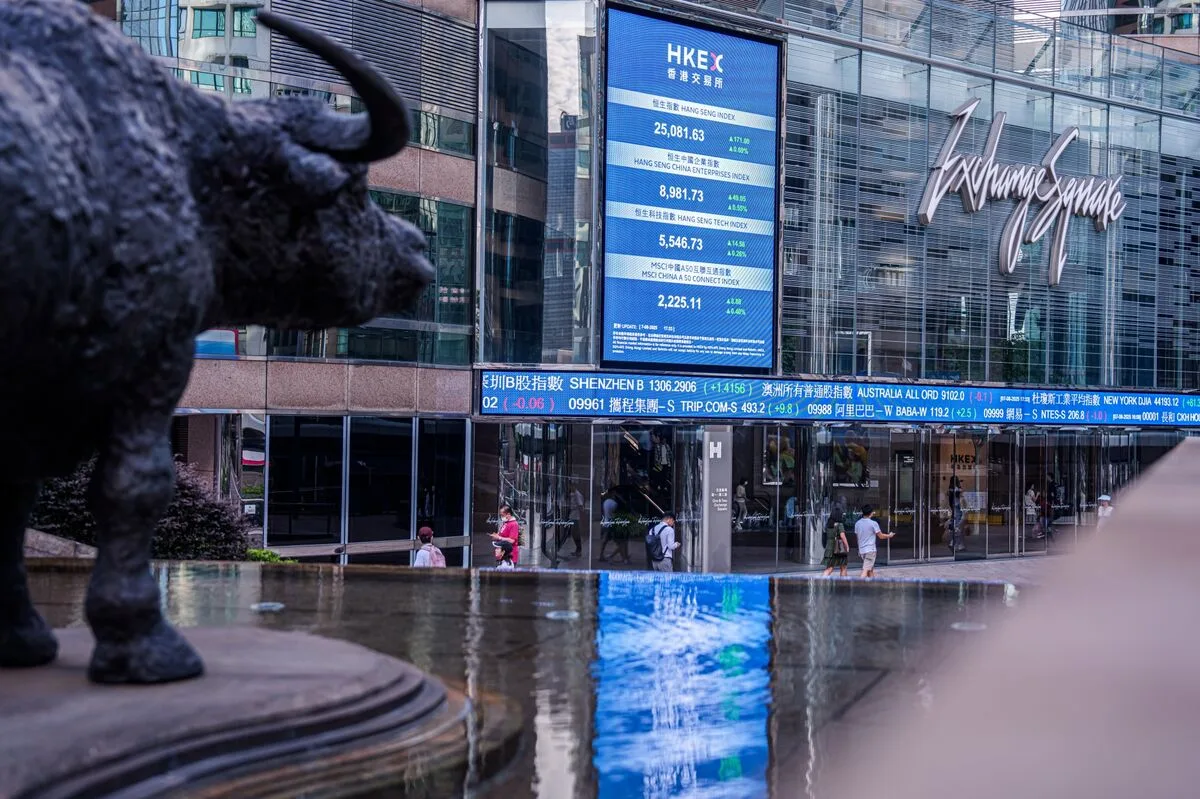
The Apple supplier priced its shares at the maximum and still had to turn away demand, which tells you something about where hardware money is flowing right now.
James Chen · 25 Jun · 5 min
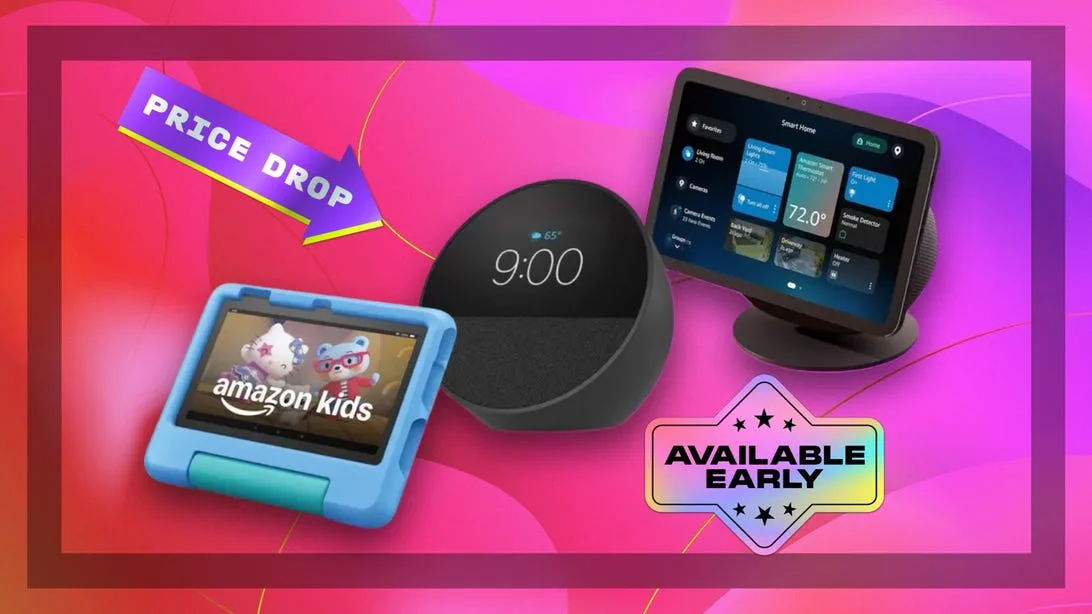
Prime Day deals on Echos and Ring cameras are fine, but let's not confuse consumer gadgets with the serious robotics work happening in warehouses.
Robert "Bob" Macintosh · 25 Jun · 3 min
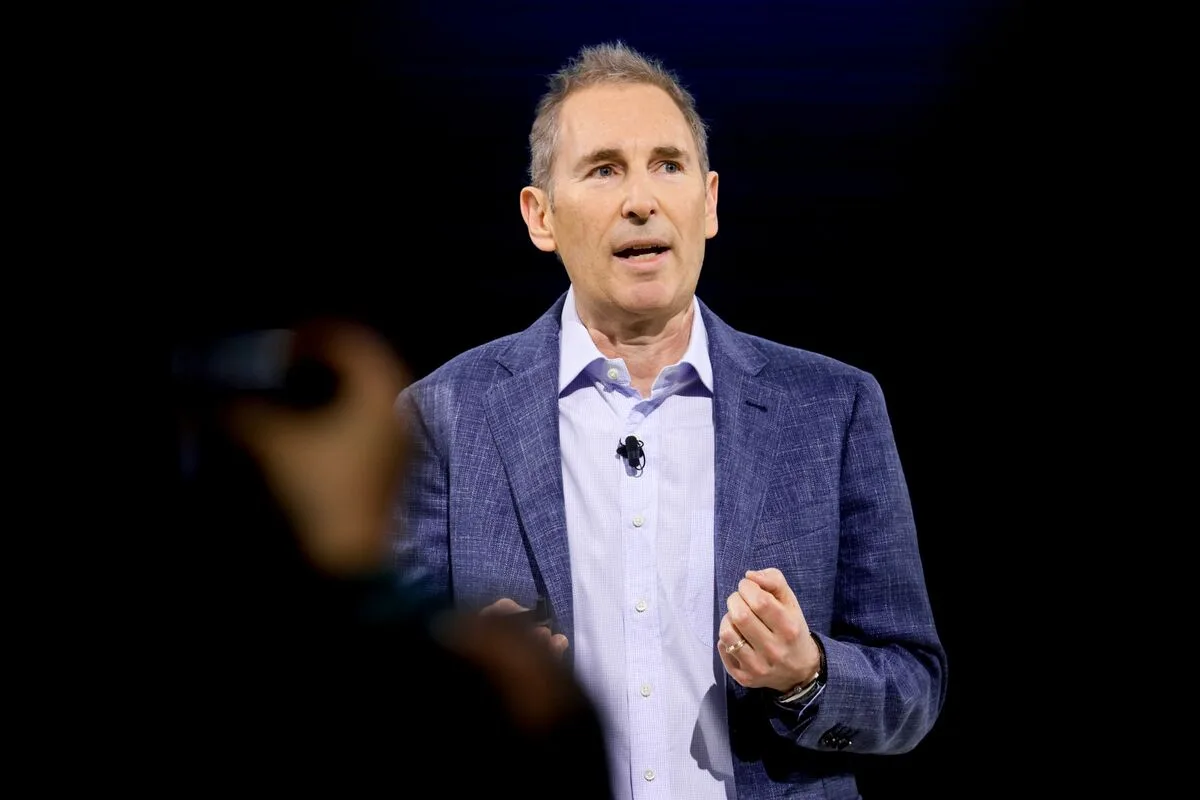
Amazon's CEO made his first India trip and left behind a $13 billion AI commitment and an aggressive quick-commerce expansion. The numbers are real. The execution is the hard part.
James Chen · 25 Jun · 6 min
A wave of arXiv preprints this week tackles one of manipulation's oldest problems: how do you get a robot to learn from imperfect, incomplete, or just plain missing data?