Hundreds of billions. Gone in three trading days. That's the number that made me put down my coffee on Monday morning.
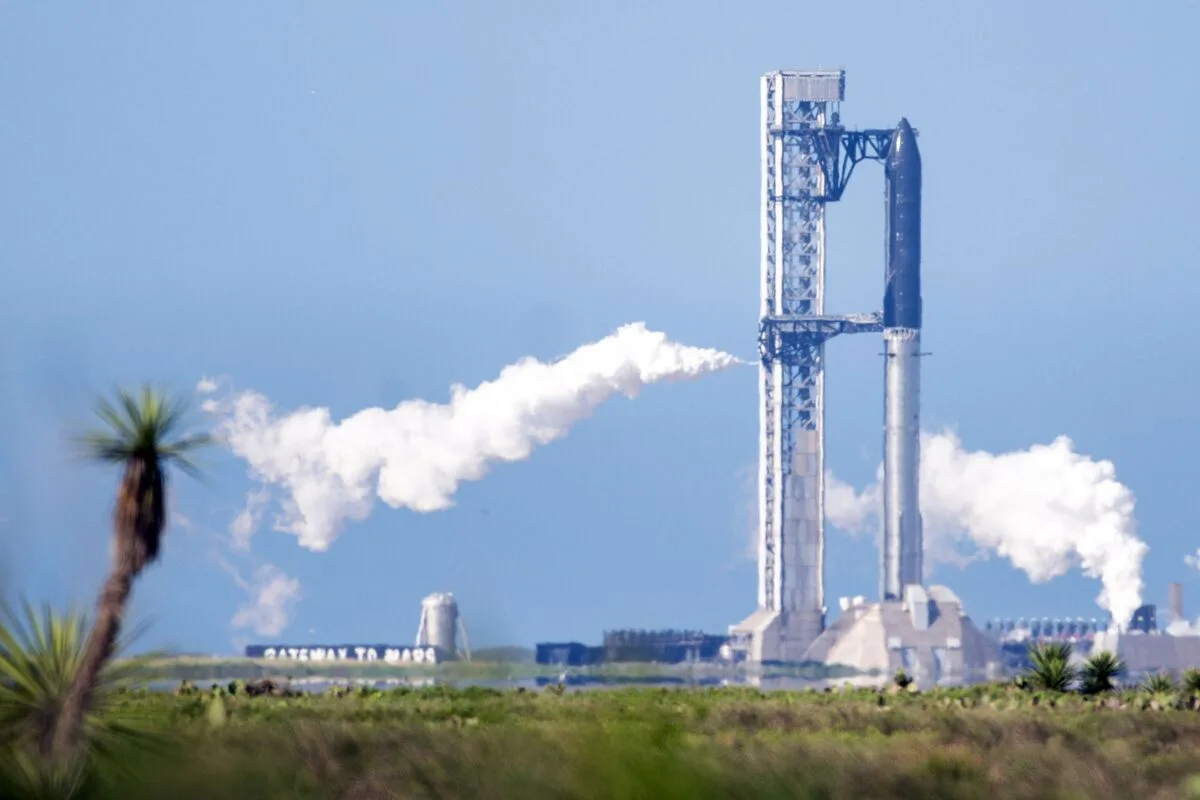
Look, I'll be honest, SpaceX isn't normally something I'd write about. Rockets aren't robots, and Elon's various enterprises get more column inches than they probably deserve already. But I've been in industrial automation long enough to know that when a company with SpaceX's capital footprint starts bleeding market value, you pay attention, because the money has to go somewhere, and it usually comes from somewhere too.
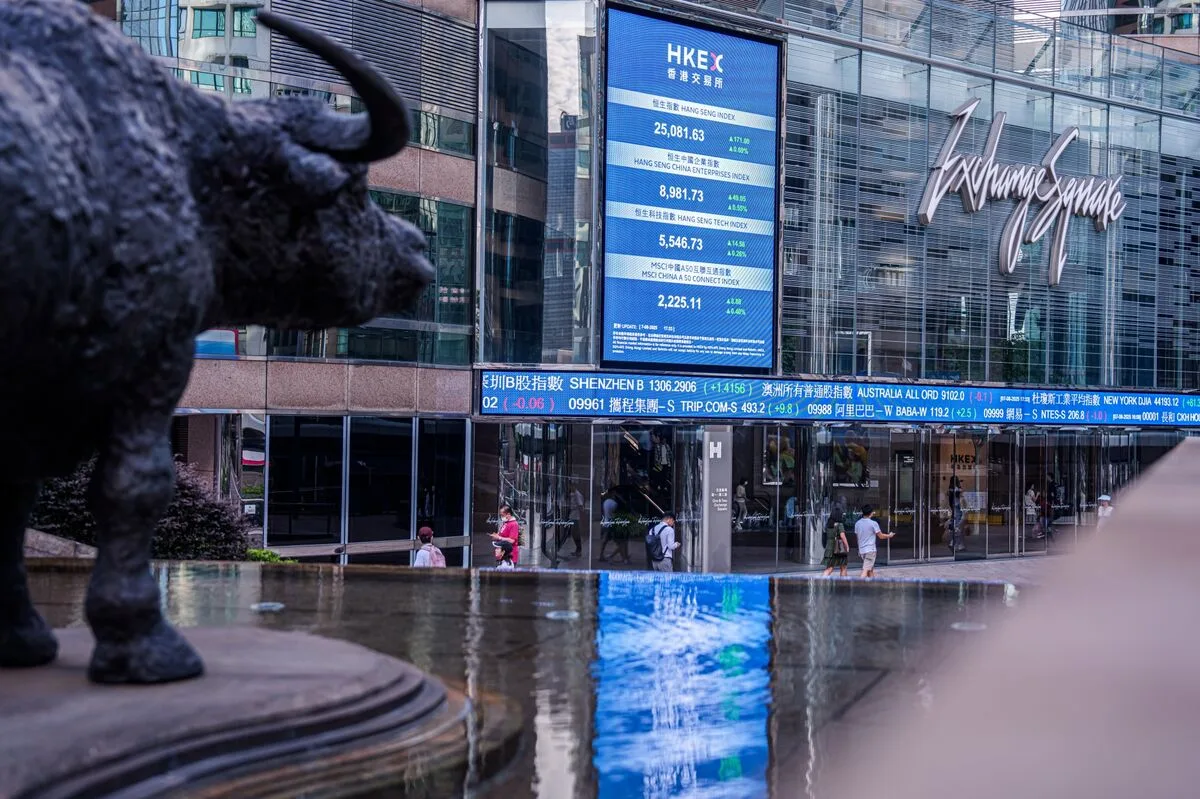
Bloomberg reported Monday that shares fell as much as 4.6% in premarket trading, putting the stock on pace for a third consecutive loss after markets reopened following a public holiday. Then on Tuesday, Bloomberg followed up to confirm the slide had continued, with the company simultaneously announcing it's selling investment-grade bonds for the first time. That bond issuance detail is the part that caught my eye.
When a company the size of SpaceX moves into investment-grade debt markets, it's a signal. Could be growth financing, could be liquidity management, could be something else entirely. It's too early to say which, and frankly I only have two sources on this so far, so I'm not going to pretend I have the full picture. But the timing, three days of share price pressure coinciding with a first-ever bond offering, that's the kind of thing that makes old engineers like me sit up and think.
Here's where this connects to my actual beat. SpaceX has been one of the louder voices in the autonomous systems and robotics investment space over the last couple of years, and the Optimus-adjacent conversations around humanoid robots have pulled serious capital toward the whole sector. When I was at Kuka, we used to joke that the aerospace guys always showed up to automation conferences thinking they could solve in six months what we'd spent a decade on. Sometimes they were right. Sometimes they burned a lot of money finding out they weren't. The point is, capital flows between these sectors in ways that aren't always obvious until they're not flowing anymore.
I called my old contact at a systems integrator down in Munich last week, before this story broke properly, and he was already talking about how some of the more speculative robotics investments were getting harder to justify to CFOs. Whether the SpaceX situation accelerates that kind of caution in the broader automation investment market, well, that remains unclear. It's a stretch to draw a straight line, and I won't pretend otherwise.
What I can say is that the bond market move is worth watching. Investment-grade bonds are, in a way, a statement of maturity and stability, something SpaceX has arguably been performing for years while remaining private. Doing it now, during a period of share price weakness, is either very smart treasury management or a sign that the company needs capital on terms it didn't need before. The distinction matters.
For anyone in industrial robotics or warehouse automation, the practical question is whether the enthusiasm and funding that's been flowing into the sector over the last two or three years starts to cool. I've seen this cycle before. Not with SpaceX specifically, but with other big-name technology companies whose stumbles spooked investors broadly. The AMR market, the humanoid space, the whole wave of warehouse automation startups that appeared after COVID, all of them are sensitive to the kind of sentiment shift that a few bad weeks for a high-profile name can trigger.
Maybe this blows over. Maybe SpaceX's fundamentals are rock solid and this is just market noise. Quite possibly. But hundreds of billions in erased market value over three days isn't noise in any vocabulary I've ever used.
I'll keep watching. And I'd suggest anyone with skin in the automation investment game does the same.