Apple Just Outsourced Its Brain to Google, and Nobody Seems Worried
The company that built its brand on privacy just handed the keys to its AI kingdom to the world's largest advertising company. I've seen this movie before.
Image credit: Image via Source article. Used under fair use for news commentary. · source
Fifteen years.
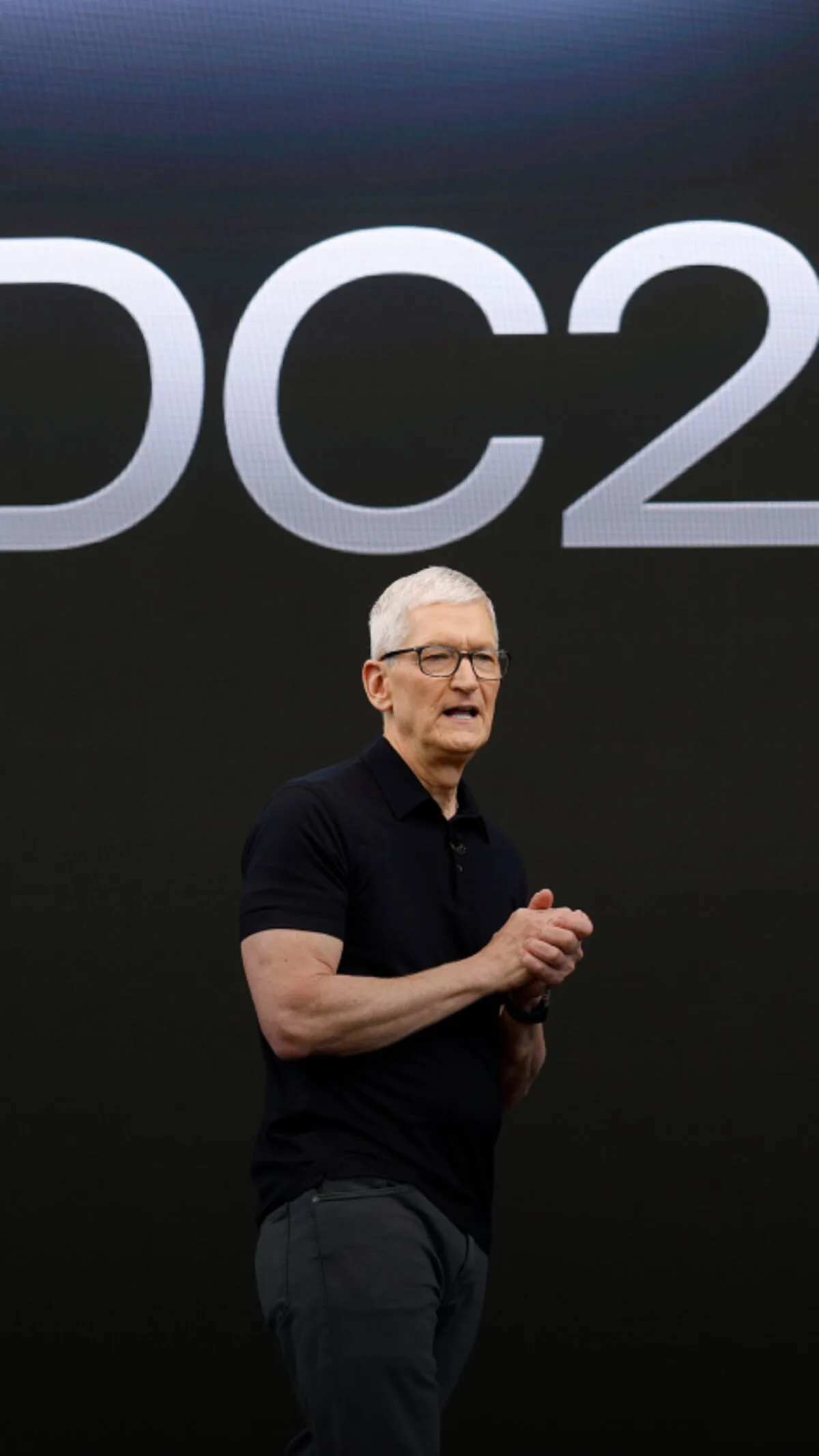
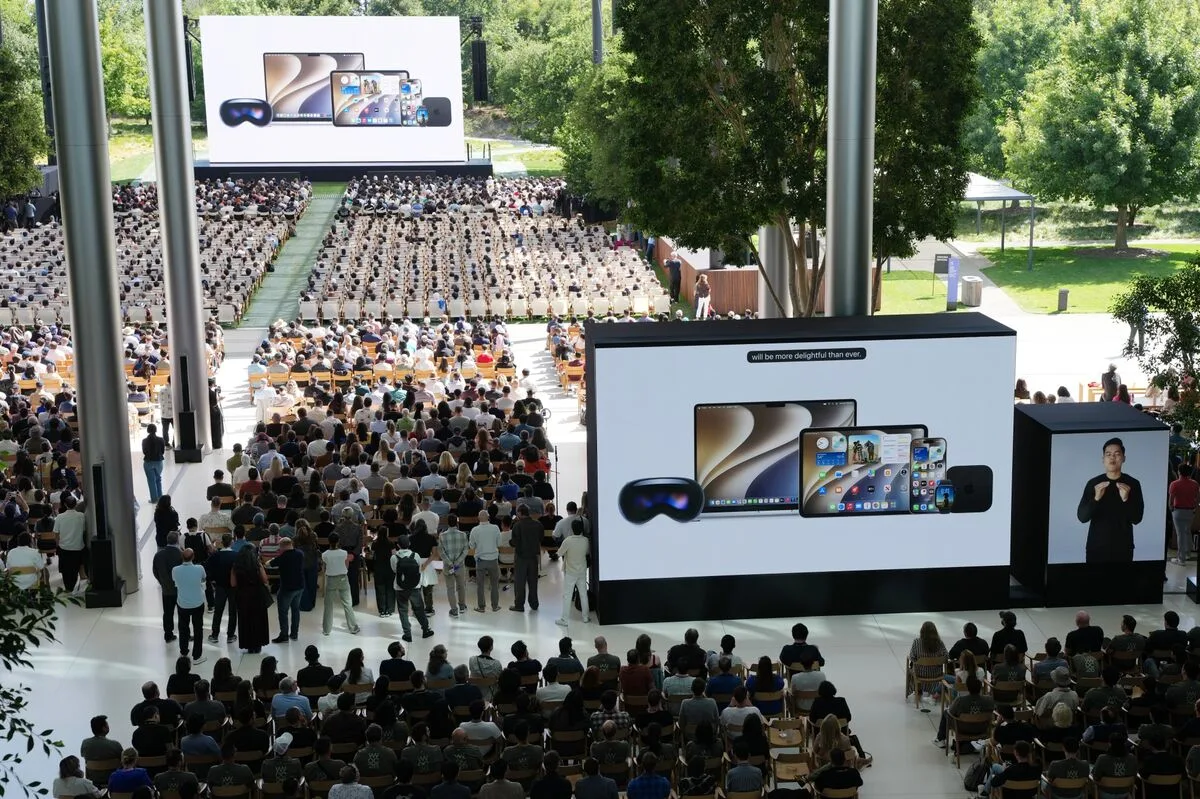
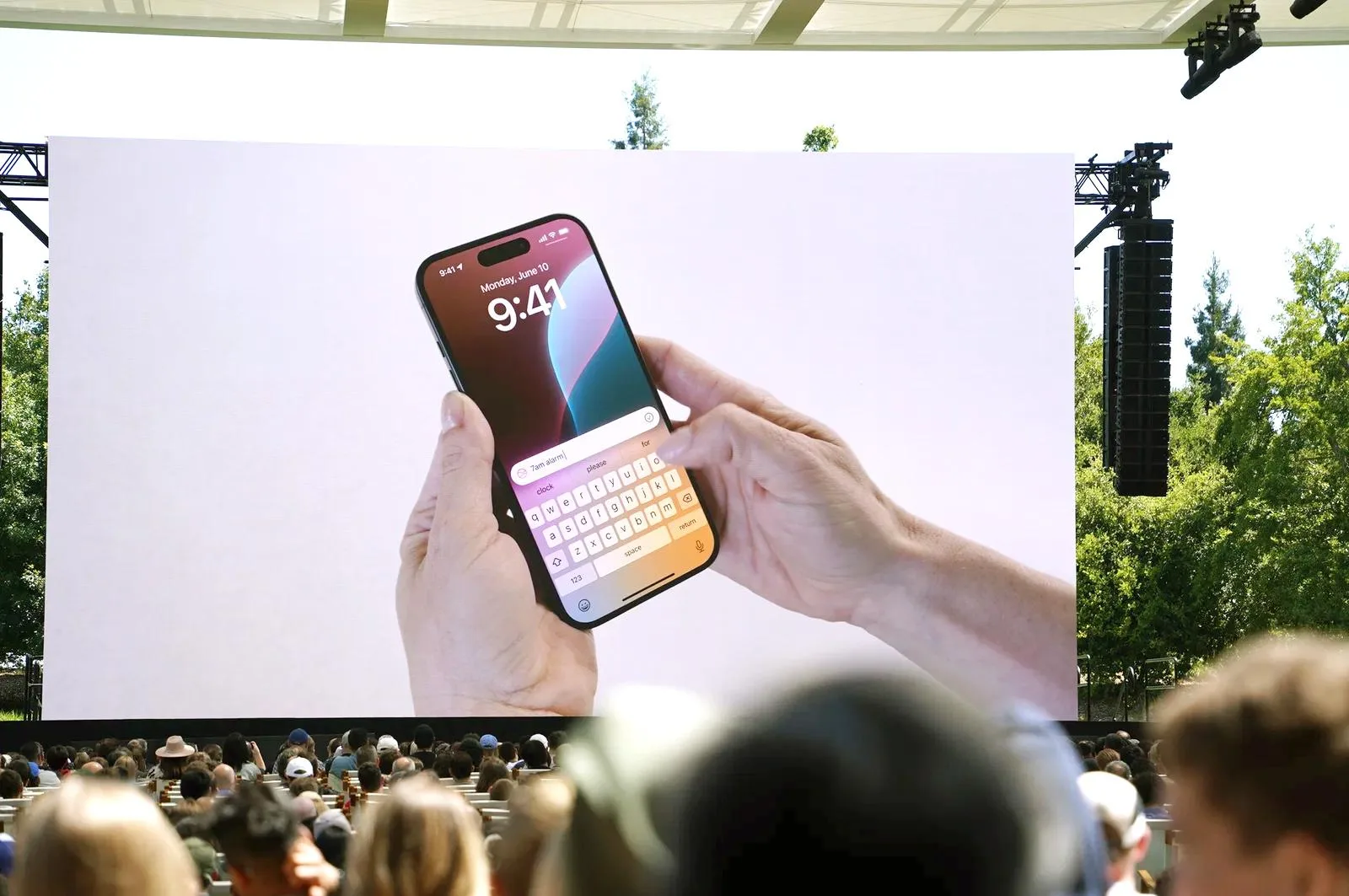
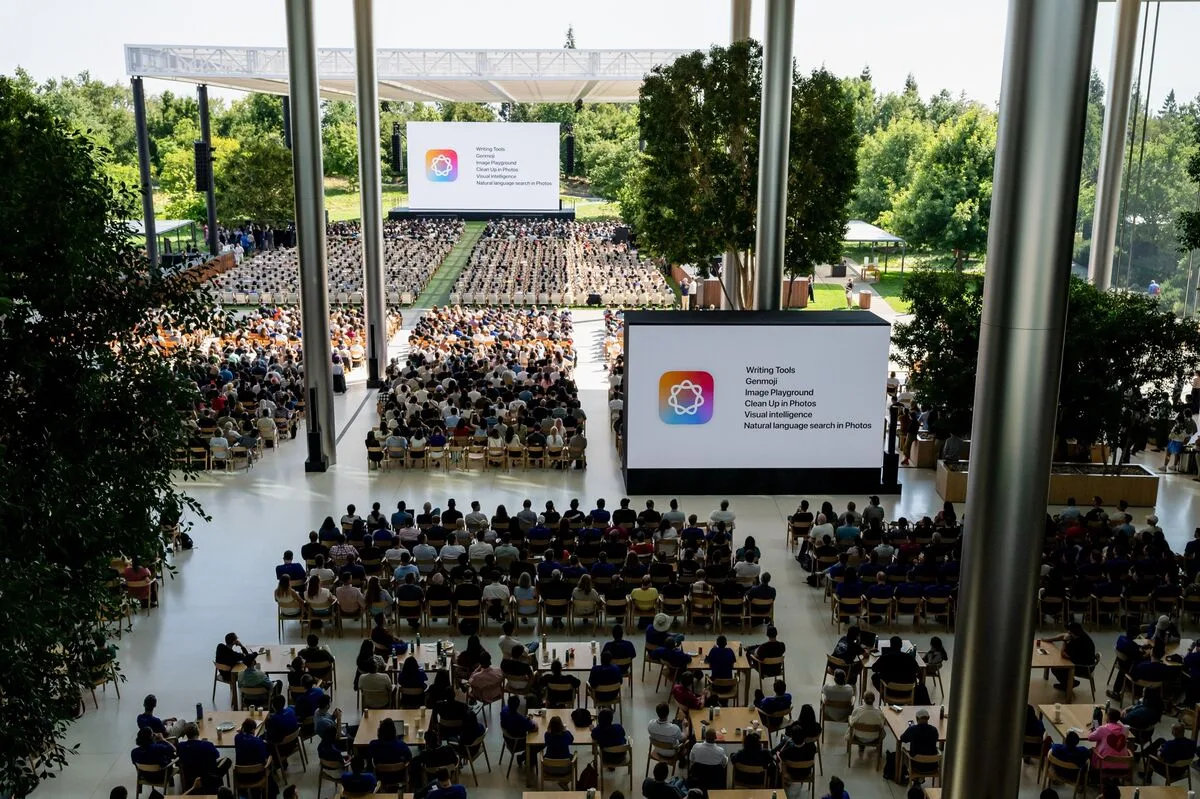
That's how long Apple spent telling us that what happens on your iPhone stays on your iPhone. Fifteen years of privacy-focused marketing, of Tim Cook wagging his finger at Facebook, of those billboards that said "Privacy. That's iPhone." And now, at WWDC 2026, they announced they're building their new intelligence system on Google's technology.
Call me old-fashioned, but when a company spends a decade and a half positioning itself as the anti-Google, then turns around and puts Google's AI models at the heart of its operating system, that seems like news. Big news! The kind of news that should have people asking uncomfortable questions. Instead, the coverage I'm seeing treats this like a routine partnership announcement.
I've been covering tech since the 90s, and I've seen this movie before. Company builds brand on one thing, market pressures force them to abandon that thing, they spend six months insisting nothing has changed while everything changes. Remember when Microsoft was the evil empire and Apple was the scrappy rebel? Remember when Google's motto was "Don't be evil"? These things have a way of, well, evolving.
According to Bloomberg, Apple is "downplaying concerns" that using Google's AI models will undermine privacy. That's a fascinating choice of words. Not "addressing concerns" or "resolving concerns" but downplaying them. The company says its privacy safeguards will remain intact, but the details on how exactly that works when you're running queries through technology built by the world's largest advertising company remain, shall we say, thin.
Related coverage
More in AI Models
WWDC 2026 revealed Apple's new intelligence system runs on Google tech. I'm still figuring out what that actually means for the privacy promises.
Sarah Williams · 9 hours ago · 4 min
Apple's annual developer conference wrapped up, and while the headlines are flying, the actual substance is harder to pin down than you'd think.
Sarah Williams · 10 hours ago · 5 min
We've been here before. Actually, we've been here twice before. And I'm not convinced the third time's the charm.
Mark Kowalski · 12 hours ago · 4 min
After two years of investor impatience, Apple unveiled its next-gen AI platform. But catching up to the competition might be the easy part.
Look, I'm not saying Apple is lying. I'm saying that the technical architecture required to genuinely preserve privacy while using cloud-based AI models from a third party is complicated, and nobody at WWDC really explained it. Maybe they will. Maybe there's a white paper coming that lays out exactly how your Siri queries won't end up training Google's next model. But right now? We're being asked to trust that the company famous for tracking everything you do online has suddenly developed an interest in not tracking things.
The young founders in AI love to talk about how privacy concerns are overblown, how the benefits outweigh the risks, how users don't really care anyway. And maybe they're right! Maybe I'm just an old guy who still prefers email to Slack and thinks there's something worth preserving in the idea that your devices shouldn't be reporting back to Mountain View. But what do I know.
Here's what bothers me most about the WWDC coverage. Everyone's focused on the features, the demos, the promise of what Apple Intelligence (or whatever they're calling it now) will do. Nobody's asking the harder question: why couldn't Apple build this themselves?
Apple has something like 200 billion dollars in cash. They've been working on AI and machine learning for years. They bought dozens of AI startups. They hired thousands of researchers. And at the end of all that, they had to go to Google, hat in hand, and license their technology.
This tells us something important about the state of AI development that the breathless keynote coverage tends to skip over. The gap between the leading foundation model companies and everyone else isn't closing, it's widening. Apple, with all its resources, couldn't catch up. That's not a partnership, that's a capitulation.
I saw the same pattern with autonomous vehicles. Every car company was going to build their own self-driving system. Then they were going to partner with startups. Then they were going to license from the tech giants. The timeline kept slipping, the technology kept getting harder, and eventually most of them just gave up and started writing checks to Waymo or Cruise or whoever would take their money.
Apple giving up on building competitive AI models in-house (and let's be honest, that's what this is, even if they won't say it) suggests the AI race might already be over for everyone except a handful of companies. That's a bigger story than whatever new emoji Siri can generate.
I don't think Apple is doomed or whatever. They're still going to sell a billion iPhones. The integration will probably be slick, because Apple's good at that part. Most users won't know or care that Google's technology is running under the hood, just like most users don't know or care that Samsung makes their screens or TSMC makes their chips.
But something has shifted. The company that told us privacy was a fundamental human right just decided that competitive AI features matter more than building those features on privacy-preserving technology they control. That's a choice. It might even be the right choice, from a business perspective! But let's not pretend it's anything other than what it is.
The thing about tech cycles is they tend to accelerate. Apple partnering with Google on AI in 2026 probably means deeper integration by 2027, and by 2028 we'll all have forgotten there was ever another way this could have gone. That's how it works. The industry moves on, the old battles get forgotten, and anyone who remembers how things used to be gets called a curmudgeon.
Which, fine. I've been called worse.
If you want to argue about this, my email's on the about page. I actually read those, unlike my DMs, which I definitely don't check because I still haven't figured out how notifications work on the new Twitter or X or whatever we're calling it this week. Some of us are stuck in our ways, and some of us just watched Apple abandon fifteen years of brand positioning in a single keynote.
I know which one keeps me up at night, and it's not my notification settings.