Image credit: Image via Source article. Used under fair use for news commentary. · source
Remember when Apple spent years telling us that what happens on your iPhone stays on your iPhone? That the company would rather build slower, clunkier features than send your data to some server farm? I think about those ads a lot.
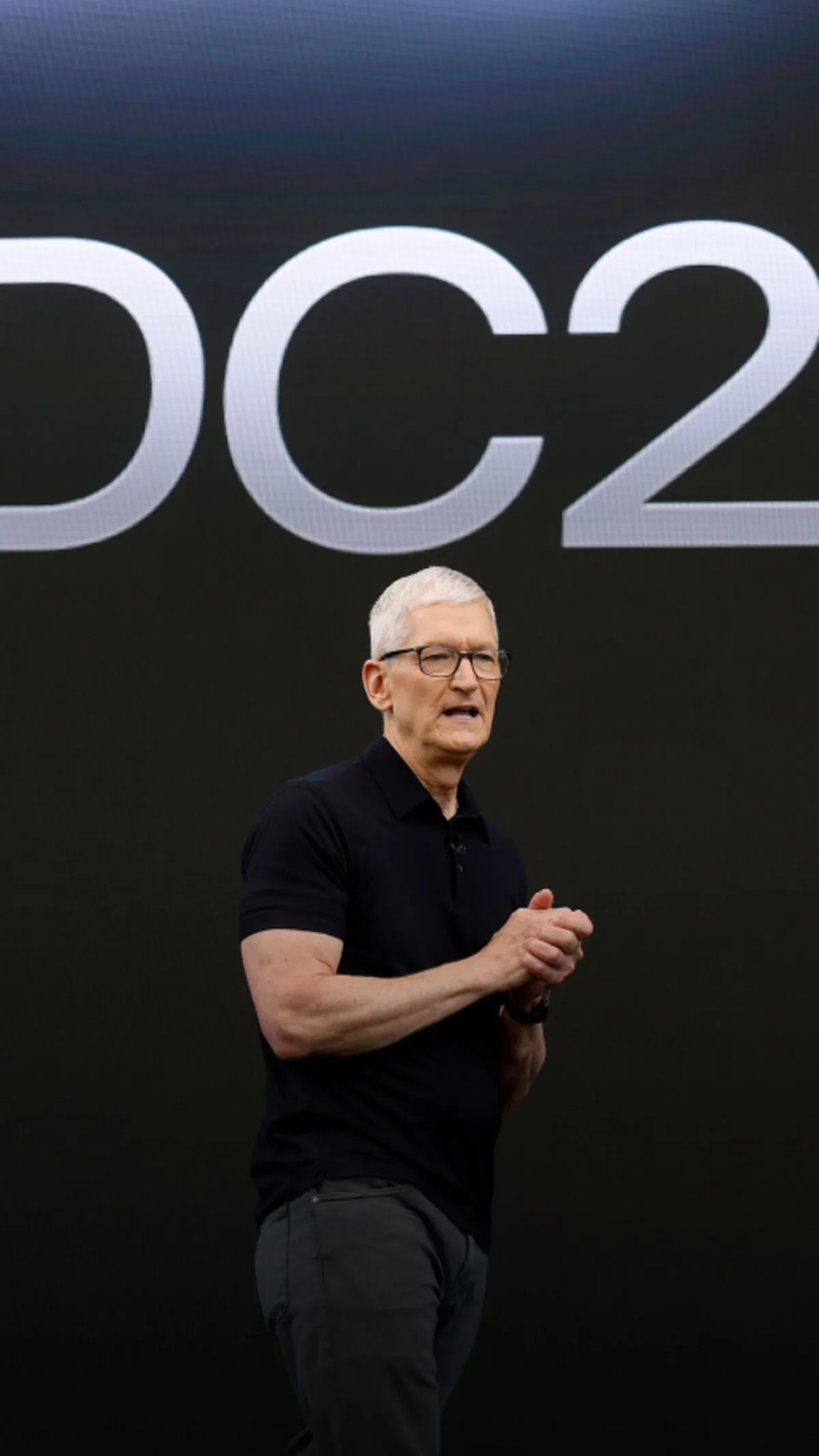
Because this week at WWDC 2026, Apple announced its revamped intelligence system. And it's built, in part, on Google technology.
I'll be honest: my first reaction was something like "wait, what?" Apple and Google have always had this weird frenemy relationship (Google pays billions to be the default search engine, Apple publicly dunks on Android's privacy), but this feels different. This is Apple saying, basically, we can't do this alone anymore.
The details are still a bit fuzzy, which is frustrating. Bloomberg covered the keynote, and the takeaway is that Apple's new AI capabilities (they're still not calling it "AI," they're calling it "Apple Intelligence," which, fine) now use Google's models for certain tasks. Which tasks? Apple didn't get super specific. How much of the heavy lifting is Google doing versus Apple's own on-device models? Also unclear.
What we do know: this isn't just a small integration. Bloomberg's Ed Ludlow described it as the system being "underpinned" by Google technology. That's a load-bearing word.
You might be wondering: doesn't this blow up Apple's whole privacy thing?
Related coverage
More in AI Models
Chipmakers swung wildly this week, from a Tuesday 'chip-wreck' to a Micron-led surge after hours. What's actually going on with AI's hardware backbone?
Sarah Williams · 26 Jun · 5 min
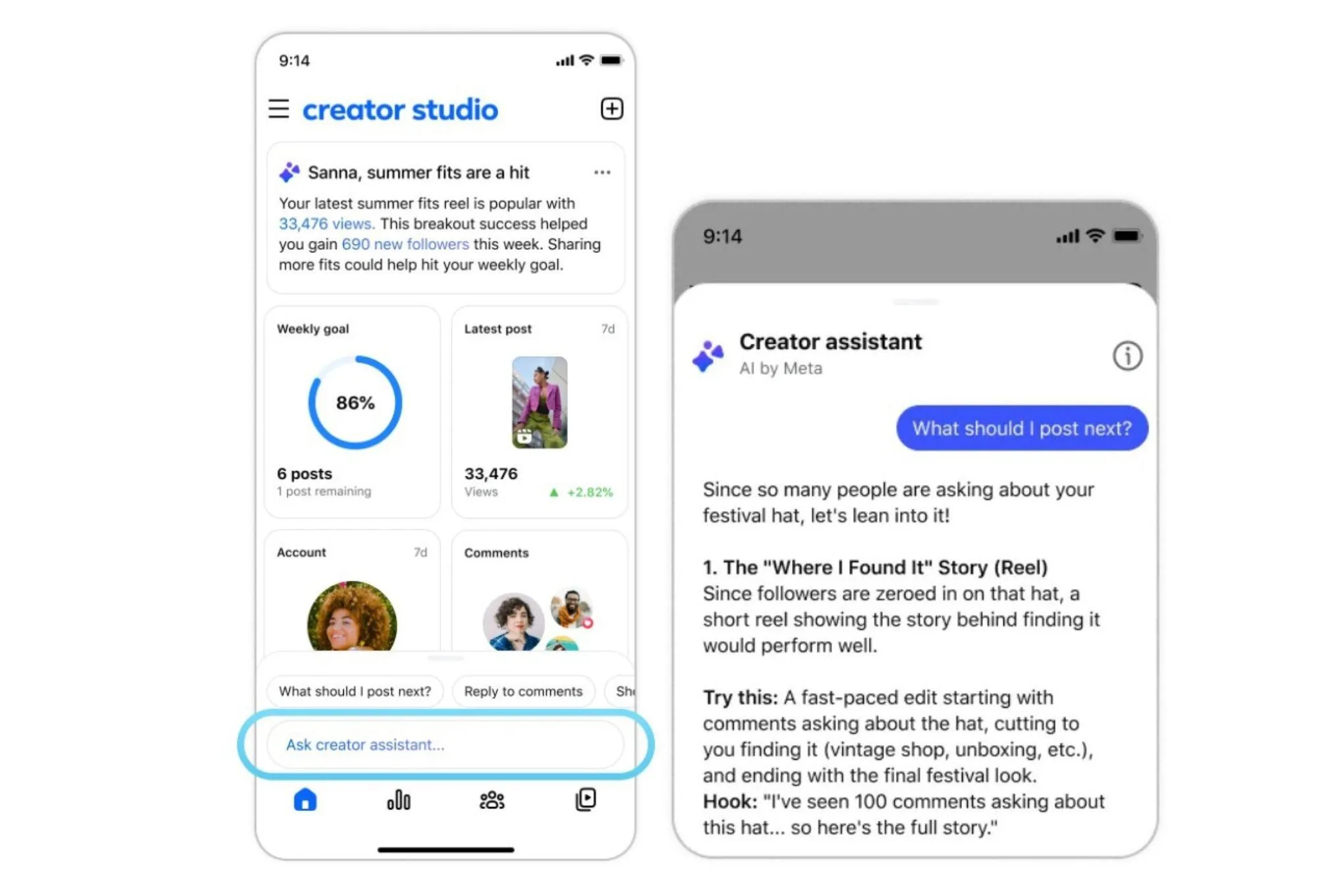
The original Creator Studio was shut down in 2023. Now it's back, rebuilt around an AI assistant that promises to grow your audience and reply to comments in your voice.
Sarah Williams · 26 Jun · 5 min
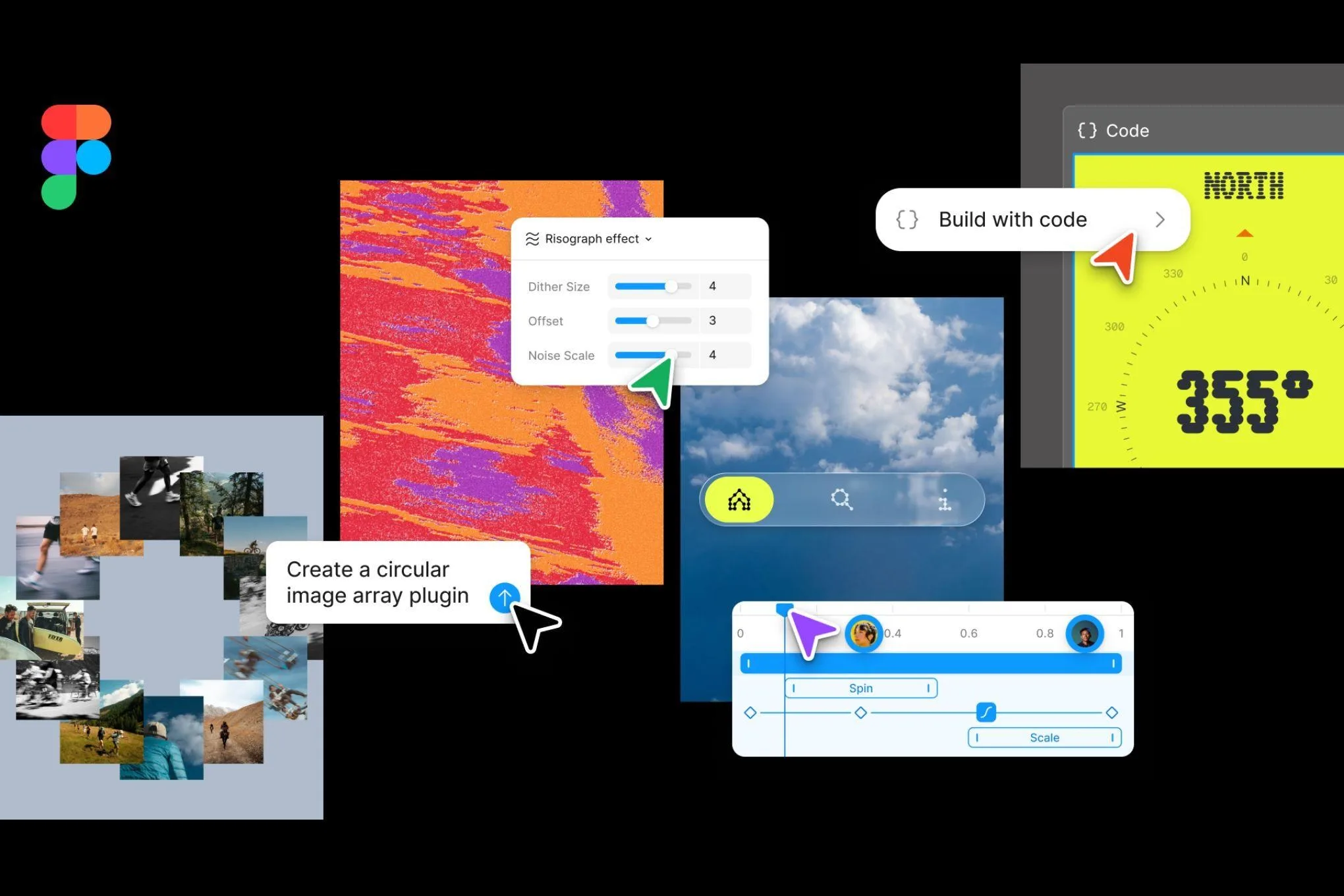
At its annual Config conference, Figma announced coding layers, AI-generated motion graphics, and a reimagined canvas that blurs the line between design and full-stack development.
Sarah Williams · 26 Jun · 5 min
Everyone talks about chips and models. The memory bottleneck is the part of the AI buildout that keeps getting underestimated, and Micron's latest earnings make that case hard to ignore.
Apple says no. According to Bloomberg's reporting, the company is "downplaying concerns" that using Google's AI will undermine privacy. They claim the new approach preserves their existing safeguards.
I should know this better, but I'm genuinely not sure how that works technically. If Google's models are processing your requests, your data has to go somewhere, right? Unless Apple is running Google's models locally on-device (possible but computationally expensive) or using some kind of encrypted processing where Google can't see the actual content (theoretically possible, practically complicated).
Apple hasn't explained the architecture in detail yet. And honestly, "downplaying concerns" is not the same as "addressing concerns with specifics." I'd feel better if they published a technical whitepaper. Maybe they will. It's early.
The cynical read: Apple fell behind in AI. ChatGPT happened, Google's Gemini got good, and Apple's Siri remained... Siri. So they made a deal with the devil they know. Privacy was always more marketing than substance anyway.
The generous read: Apple recognized they couldn't build competitive AI alone (few companies can), so they partnered with the best model provider while maintaining their privacy architecture. The models do the reasoning, but the data stays protected. This is actually mature engineering, not capitulation.
I initially thought the cynical read was obviously correct. But after reading more about how these systems can be architected, I'm less sure. It's technically possible to use external models while keeping data encrypted or anonymized. Difficult, but possible.
The problem is Apple hasn't given us enough information to know which scenario we're in. And their track record on transparency about these things is, let's say, mixed.
Developer adoption. Apple announced this at WWDC, which means they want developers to build on it. How much access will third-party apps have to these Google-powered capabilities? What data will flow where when you use an app that taps into Apple Intelligence?
Regulatory attention. The EU has been all over Apple lately. I'd be surprised if regulators don't have questions about an Apple-Google AI partnership, especially given the existing antitrust scrutiny of their search deal.
User behavior. Tbh, I think most people won't care. If Siri suddenly gets good, they'll use it more. The privacy implications are abstract; a voice assistant that actually works is concrete. Apple is probably betting on this.
The technical details. At some point, Apple will have to explain how this works. Security researchers will poke at it. We'll learn whether the privacy claims hold up or whether this is, in a way, just vibes.
I don't have a clean conclusion here. This could be fine. It could be a meaningful shift in how Apple thinks about privacy versus capability. It's too early to say.
What I do know is that Apple spent a decade building a brand identity around privacy. They ran Super Bowl ads about it. They picked fights with Facebook over tracking. They made "privacy is a human right" into a corporate slogan.
Now they're building their flagship AI system on technology from a company whose entire business model is knowing everything about you.
Maybe Apple has figured out how to square that circle. Maybe the architecture really does protect user data while leveraging Google's models. But the burden of proof is on them now, and so far, they haven't really met it.
I'll be digging into the technical documentation when it drops. For now, I'm in wait-and-see mode. Which, honestly, is where I think everyone should be.