Crédito da imagem: Image via WIRED — AI. Used under fair use for news commentary. · source
Six years. That's how long Google went without releasing a new smart speaker. Six years during which Amazon kept iterating on Echo, Apple shipped multiple HomePod generations, and the whole smart home category quietly matured without one of its original architects showing up to the party.
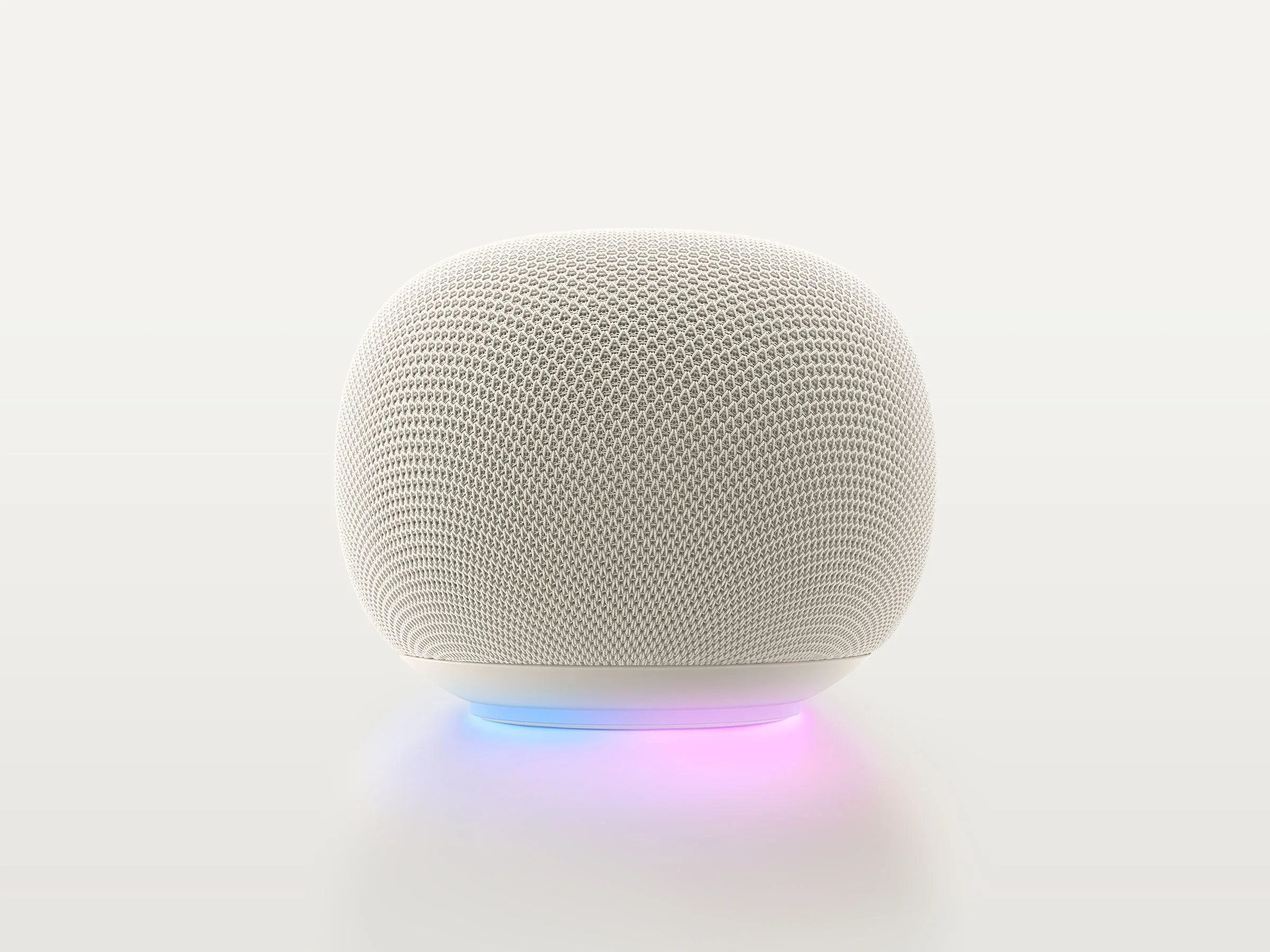
Now Google's back. The new Google Home Speaker, priced at $100 and shipping June 25 according to Bloomberg, is basically the company's do-over, redesigned from the ground up to put Gemini front and center. It looks a bit like a HomePod mini. It talks to you like a chatbot. And Google is betting that AI is the thing that finally makes a smart speaker feel, well, smart.
Maybe they're right. I'm not going to pretend I know how this plays out. But I've watched enough tech cycles to have some opinions about the shape of this story.
The six-year gap is the real headline here. Google's last smart speaker launched in 2019. To put that in perspective, that was before the pandemic, before the generative AI wave, before half the current crop of AI startups even existed. The company that basically invented the modern voice assistant category with Google Home in 2016 just... stepped back. Kept selling old hardware. Let the Nest Audio gather dust on store shelves while Amazon shipped Echo after Echo after Echo.
WIRED notes the new device was redesigned specifically to host Gemini's chatbot, which tells you everything about the strategic logic here. Google isn't launching a speaker. It's launching a Gemini distribution point. The hardware is almost incidental, which is either a brilliant insight about where AI assistants are going, or it's Google doing what Google always does, which is treating hardware as a vehicle for its software ambitions and hoping users don't notice the difference.
Cobertura relacionada
More in Consumer
Those cheap OBD2 boxes promising 20-35% fuel savings aren't just useless, they can actively damage your car's electronics. A look at why the hardware doesn't work.
James Chen · 24 Jun · 6 min
Not every Prime Day badge means a real deal. We looked at the price histories so you don't have to.
James Chen · 24 Jun · 4 min
Consumer ice makers are getting stress-tested in real kitchens, and the durability numbers are more interesting than the marketing suggests.
James Chen · 23 Jun · 3 min
Robot vacuums are everywhere this Prime Day, but not every deal is what it looks like. A quick guide to separating the real discounts from the noise.
I've been covering tech since the nineties, and this is the kind of move that's worked spectacularly (Android) and failed spectacularly (Google Glass, Stadia, take your pick). The difference is usually whether the underlying software experience is actually good enough to justify the hardware's existence. With Gemini, that remains genuinely unclear. The model is capable, sometimes impressively so, but whether it translates into a better kitchen assistant than whatever Alexa is doing these days is a question I don't think anyone can answer yet with confidence.
The competitive picture is messier than it looks.CNET frames this as a three-way fight between Google, Apple's HomePod mini, and Amazon's Echo lineup, which is accurate as far as it goes. But the $100 price point is interesting. It's not cheap enough to be an impulse buy for most people, and it's not premium enough to compete on audio quality alone. Google appears to be betting that the Gemini integration is the differentiator, the thing that makes someone choose this over a $99 Echo or a slightly pricier HomePod mini.
That's a reasonable bet if you believe AI assistants are about to get dramatically more useful in the home. It's a risky one if you think most people still mostly use these things to set timers and play Spotify.
Call me old-fashioned, but I lean toward the latter camp, at least for now. The vision of a Gemini-powered home assistant that manages your calendar, answers complex questions, controls your smart home devices, and actually understands context across multiple requests is genuinely compelling. Whether that vision is six months away from being real or six years away, I honestly don't know, and anyone who tells you they do is selling something.
What Google has going for it. I don't want to be entirely grumpy about this, because there's a real case for optimism here. Google has the AI infrastructure. It has the search index. It has Android integration that Apple can't match and Amazon can only partially replicate. If Gemini for Home actually works the way the demos suggest, there's a version of this story where Google's late entry into the hardware refresh cycle turns out to be perfectly timed, because they waited until the AI was good enough to matter.
The $100 price point also puts this in range for a lot of households that might have been sitting on older Google Home hardware for years. If you've got a first-gen Google Home from 2016 still sitting on your kitchen counter (and I'd wager there are millions of them), this is a pretty natural upgrade path.
And the HomePod comparison is actually fair. Apple's mini is a good speaker but it's deeply locked into the Apple ecosystem in ways that frustrate anyone running a mixed household. Google's pitch is implicitly: we work with more of your stuff. That's always been true and it's still a real advantage.
The part that makes me nervous. Google has a well-documented habit of launching products and then abandoning them. This is not a controversial observation, it's basically a genre of tech journalism at this point. The company discontinued the original Google Home line, killed off Stadia, shuttered Google+, and has a graveyard full of messaging apps that would fill a small museum. Killed by Google, the website that tracks discontinued Google products, currently lists over 280 services and devices.
When you're asking someone to build their home around a piece of hardware, that track record matters. Amazon has kept the Echo line alive and iterating for over a decade. Apple's HomePod lineup has had its ups and downs but it's still a going concern. Google is asking consumers to trust that this time is different, that Gemini is the thing that makes the hardware sticky enough to keep the product team funded and focused.
Maybe it is. I'm genuinely not sure. But this is based on limited data, since we don't have any real-world usage numbers yet, and the device doesn't even ship until June 25.
So what does this actually mean for the smart home market? Honestly, it means competition got more interesting, which is good for consumers. If Google's Gemini integration is as capable as advertised, Amazon will feel pressure to accelerate whatever it's doing with Alexa's AI upgrades. Apple will feel pressure to make Siri less of a punchline. The whole category gets a kick, and that's not nothing.
Whether the Google Home Speaker itself becomes a hit, whether it carves out meaningful market share, whether it's still being sold in 2028, those are all genuinely open questions. The smart speaker market has been sort of stagnant for a few years now, with growth slowing and the early adopter wave long since crested. Google is betting that AI is the thing that reignites consumer interest. It's a plausible bet. It's not a sure one.
I've seen too many "this changes everything" hardware launches that didn't actually change much of anything to get too excited. But I've also been wrong enough times that I try to stay humble about these things. The kids at Google who built this clearly believe in it, and that counts for something, even if it doesn't count for everything.
We'll know a lot more in six months. Until then, if you've got thoughts, my email's on the about page.