Crédito da imagem: Image via Source article. Used under fair use for news commentary. · source
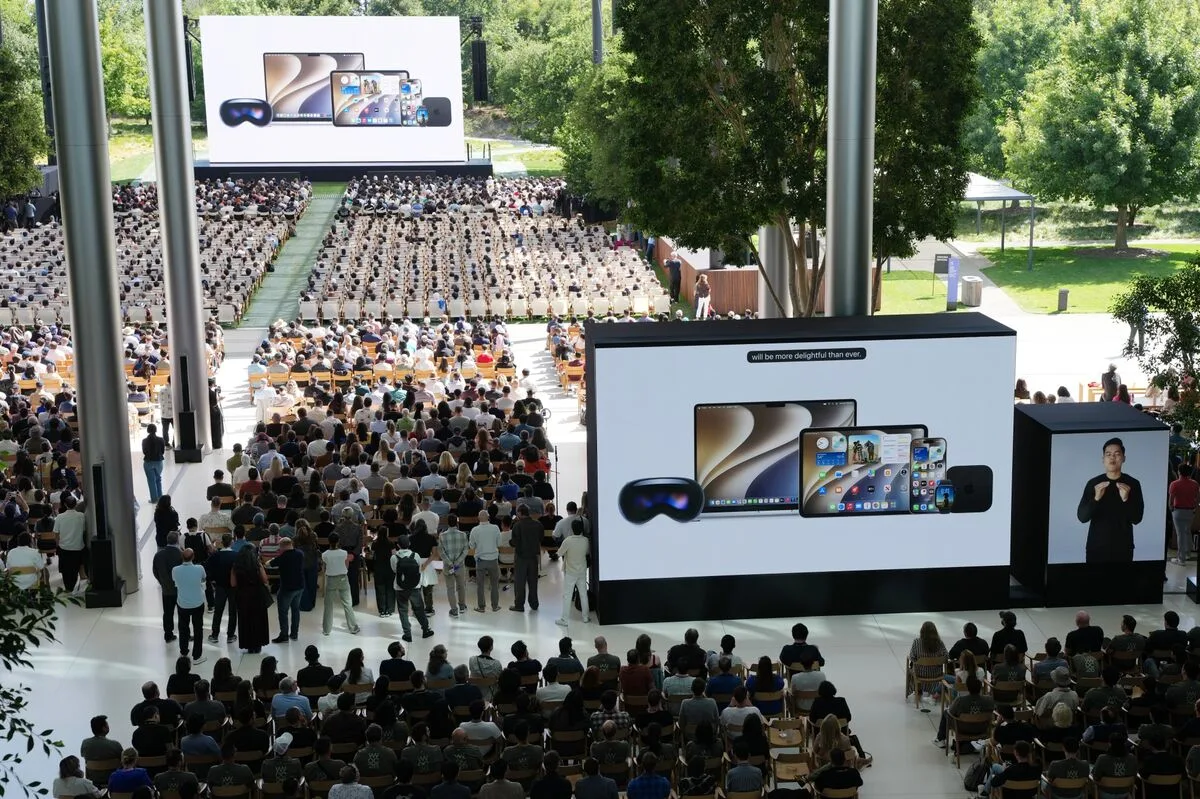
Apple just wrapped its WWDC 2026 keynote at Apple Park, and if you're expecting me to tell you exactly what it means for robotics and embodied AI, I should be honest: I'm still processing.
Bloomberg and ZDNet have been running live coverage, but the details that matter most to this beat (the ones about how Apple Intelligence actually interfaces with physical systems, what the smart glasses mean for embodied computing) remain frustratingly vague.
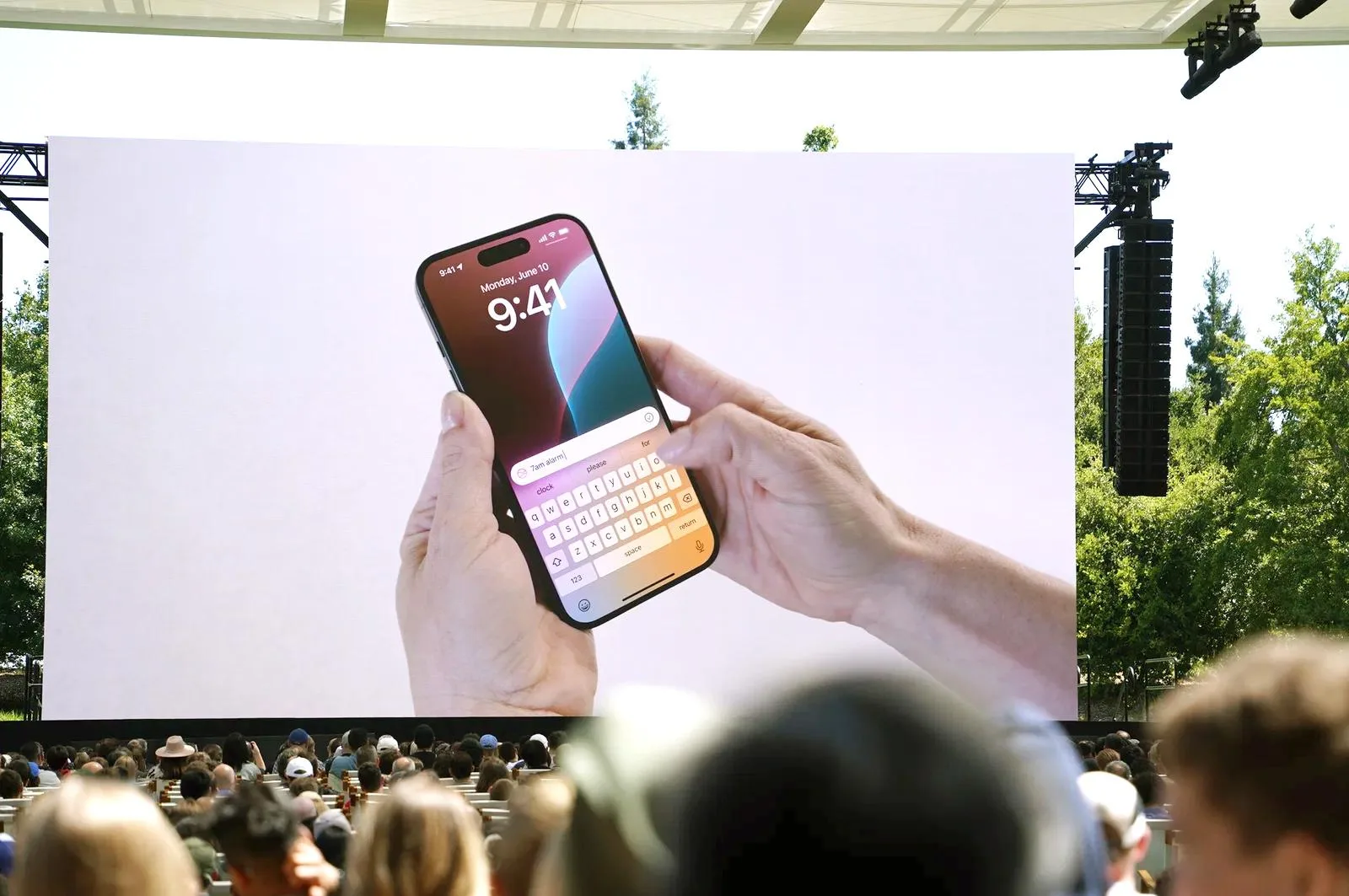
Here's what we know for sure: iOS 27 is coming. Siri got updates. Apple Intelligence continues to be a thing Apple is investing heavily in. And there's something about smart glasses.
That's... not a lot to work with, tbh.
I initially thought this would be the year Apple finally tipped its hand on robotics. There have been rumors for months about home robots, about partnerships with automation companies, about some kind of embodied AI play that would make sense of all those computer vision acquisitions. But based on the coverage so far, either those announcements didn't happen, or they were buried so deep in the keynote that nobody's surfaced them yet.
Cobertura relacionada
More in AI Models
We've been here before. Actually, we've been here twice before. And I'm not convinced the third time's the charm.
Mark Kowalski · 9 hours ago · 4 min
After two years of investor impatience, Apple unveiled its next-gen AI platform. But catching up to the competition might be the easy part.
Sarah Williams · 9 hours ago · 4 min
Look, I've watched Amazon squeeze suppliers for decades. This Alexa design thing? It's the same playbook, just prettier.
Robert "Bob" Macintosh · 10 hours ago · 4 min
Three million chips is a big number, but let's talk about what's really happening here.
You might be wondering why I'm even writing about a software developer conference on a robotics publication. Fair question.
The answer is that Apple's decisions about on-device AI, sensor fusion, and spatial computing have downstream effects on everything from drone control systems to humanoid perception stacks. When Apple ships a new chip architecture or a new approach to real-time object recognition, it eventually trickles down to the components that end up in robots.
Plus, honestly, Apple has been circling the home robotics space for years now. Reports have mentioned everything from mobile robot assistants to robotic arms. The company has hired dozens of engineers from robotics backgrounds. Something is cooking in Cupertino.
But whatever it is, they're not ready to show it yet.
This is where I should know more than I do, but the early reports are thin on technical details.
Smart glasses matter for embodied AI because they represent a form factor that sits between phones and full AR headsets. They're wearable, always-on, and (potentially) capable of understanding the physical world in ways that a phone in your pocket simply can't.
If Apple's glasses include the kind of environmental perception that Vision Pro has, but in a lighter, more socially acceptable package, that's interesting. It means Apple is building consumer-grade spatial understanding at scale. And that technology doesn't stay siloed for long.
But we don't know the specs yet. We don't know the sensor array. We don't know if there's any kind of depth sensing or if it's purely camera-based. It's too early to say whether this is a meaningful step toward ambient computing or just a notification display you wear on your face.
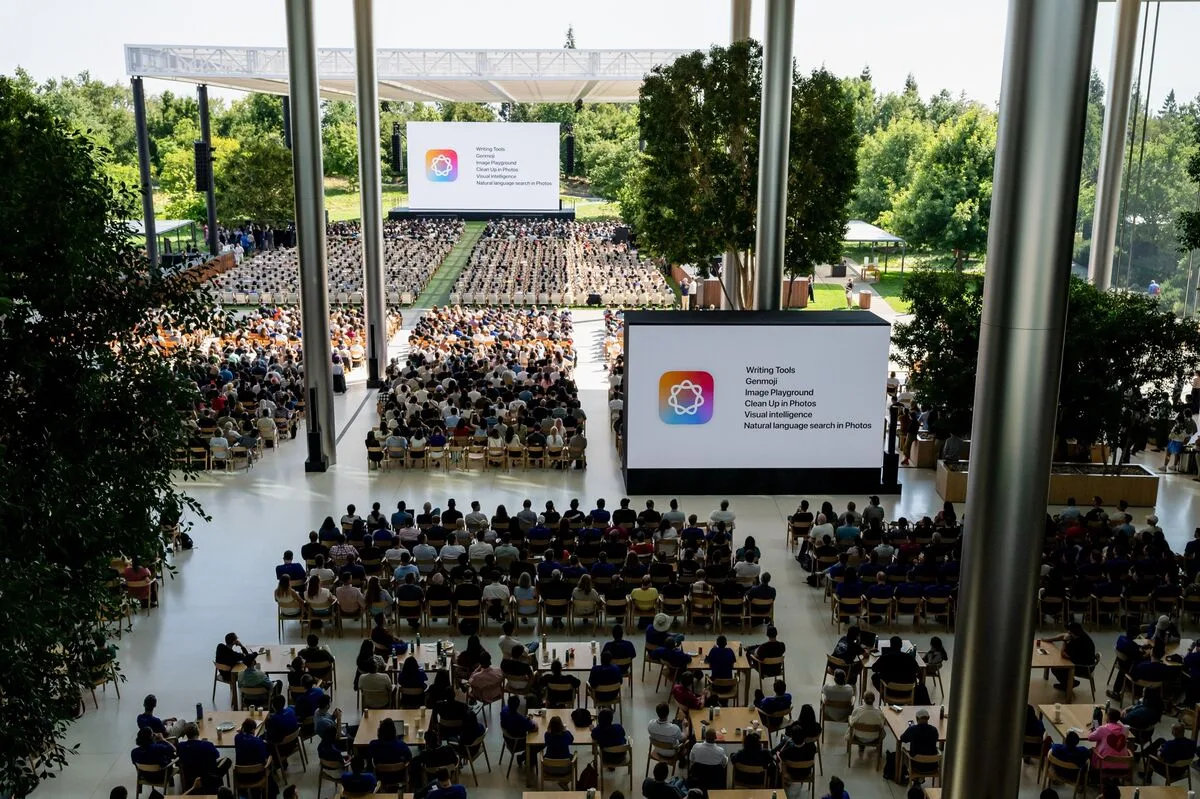
Apple Intelligence has been Apple's umbrella term for their on-device AI capabilities since 2024. The question I keep asking is: how much of this runs locally, and how good is it really?
For robotics applications, latency matters enormously. A robot that has to ping a cloud server before deciding whether to pick up a cup is a robot that's going to drop a lot of cups. Apple's emphasis on on-device processing could, in theory, make their chips attractive for edge robotics applications.
But Apple doesn't sell chips to third parties. They don't license their neural engines. So the relevance is more indirect: Apple's R&D pushes the industry forward, and competitors respond.
I think there's also something to be said about Apple's approach to privacy and local processing creating a template that robotics companies will eventually have to follow. Nobody wants a home robot that streams video of their living room to a server farm. Apple's insistence on on-device AI, whatever its limitations, establishes a norm.
We don't know if Apple announced anything specifically related to robotics or home automation beyond what Siri already does. The live blogs I've seen don't mention it, but that doesn't mean it didn't happen in a smaller session.
We don't know the technical specifications of the smart glasses, which makes it impossible to evaluate their relevance to spatial computing and embodied AI.
We don't know how the Siri updates compare to what competitors like Google and OpenAI are shipping. The benchmarks matter, and we don't have them yet.
And we definitely don't know Apple's longer-term roadmap for physical computing. They're famously secretive, and WWDC is primarily a software event.
I'll be updating this as more details emerge from the developer sessions. Sometimes the interesting stuff comes out in the technical deep-dives rather than the keynote.
For now, my takeaway is this: Apple continues to build the infrastructure for embodied AI without actually shipping embodied AI products. They're creating the chips, the software frameworks, the spatial understanding capabilities. Whether they ever put that into a robot, or whether they're content to let others build on their foundation, remains unclear.
If you're working in robotics and you're not paying attention to what Apple does with on-device AI, you're probably making a mistake. But if you're expecting Apple to suddenly become a robotics company, I think you'll be waiting a while longer.
I'll have more to say once the technical sessions wrap up and we get actual specifications rather than marketing language. Until then, take the headlines with appropriate skepticism.