Anduril CEO Says Company Would 'Absolutely' Consider Building Weapons Hub Outside the US
Brian Schimpf's comments at Founders Forum signal a meaningful shift in how defense-tech startups are thinking about manufacturing geography, and what that means for allied industrial capacity.
Image credit: Image via Bloomberg — Technology. Used under fair use for news commentary. · source
Think of it like a semiconductor fab. The question of where you build the physical infrastructure is not just a logistics decision; it is a strategic one that shapes supply chains, workforce dependencies, and geopolitical relationships for decades. When Anduril Industries CEO Brian Schimpf said this week that the company would "absolutely" consider building its next weapons manufacturing hub outside the United States, he was, in a way, making exactly that kind of long-horizon argument.
Anduril is not a small player hedging its bets. It is one of the world's most valuable defense-tech startups, and its manufacturing ambitions have been central to its pitch to investors and governments alike. So when its chief executive signals openness to offshoring that manufacturing capacity, even partially, it is worth taking seriously.
What Schimpf actually said, and where he said it
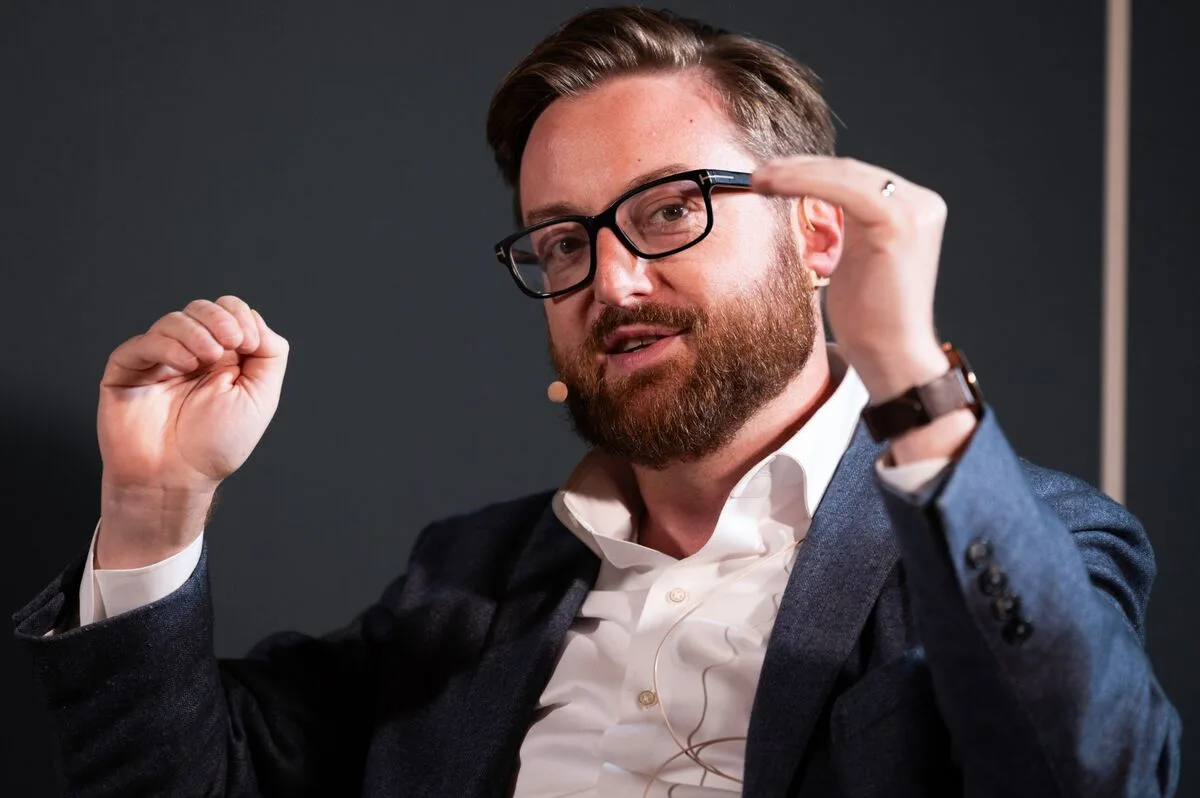
The comments came at Founders Forum in the UK, where Schimpf was speaking with Bloomberg News Editor-in-Chief John Micklethwait. The framing matters here. Founders Forum is not a defense procurement conference or a congressional hearing. It is a gathering of tech founders and investors, largely European, and the audience shapes what gets said. Schimpf's remarks were not a policy announcement; they were a signal, directed at a specific set of listeners who have been watching American defense-tech companies with increasing interest.
His core argument was straightforward: "there's a lot of manufacturing talent that exists" across Europe. That is not a controversial claim. Germany, France, and the UK all have deep industrial and precision manufacturing traditions. The question is whether that talent can be organized around the kind of high-volume, software-defined weapons production that Anduril is trying to pioneer, which is a genuinely different challenge from traditional defense manufacturing.
Related coverage
More in Policy
Everyone's framing this as a Windows headache, but the real story is what it means for the billion-plus devices that nobody's going to patch in time.
Mark Kowalski · 25 Jun · 6 min
The billionaire chairman of Australian logistics software giant WiseTech is under scrutiny again, and this time investors appear to be running out of goodwill.
Sarah Williams · 22 Jun · 4 min
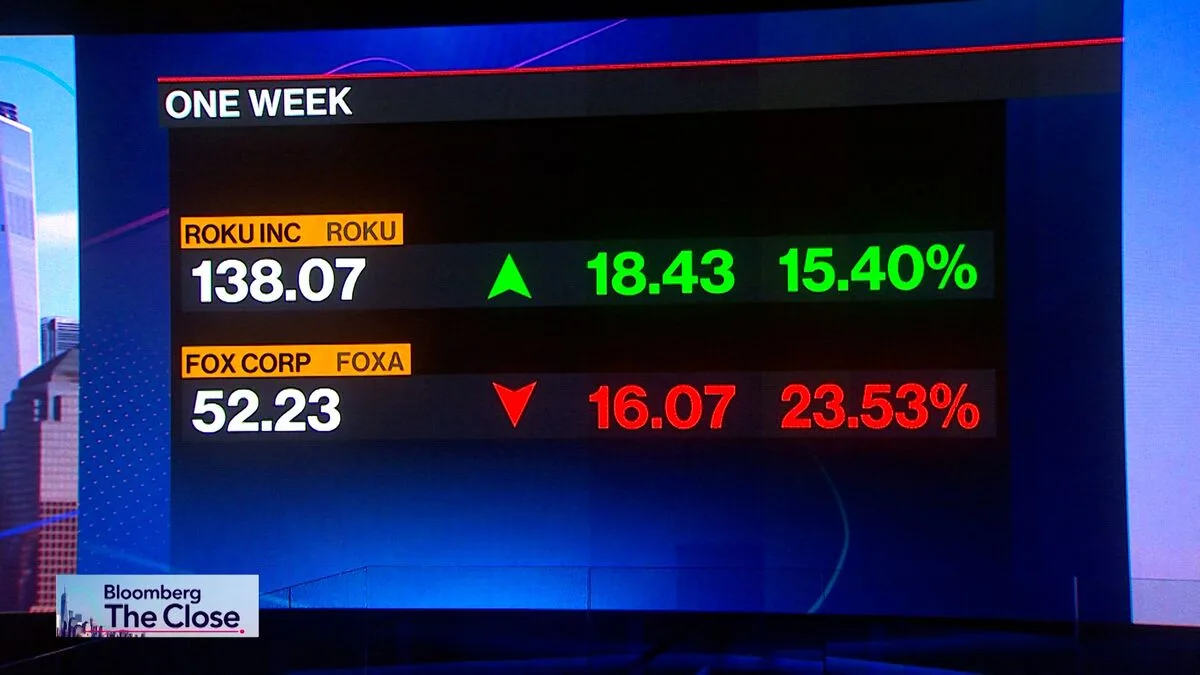
The ad-supported streaming wars just got a lot more expensive. Fox's blockbuster Roku deal is either a masterstroke or a very pricey panic move, depending on who you ask.
Mark Kowalski · 20 Jun · 7 min
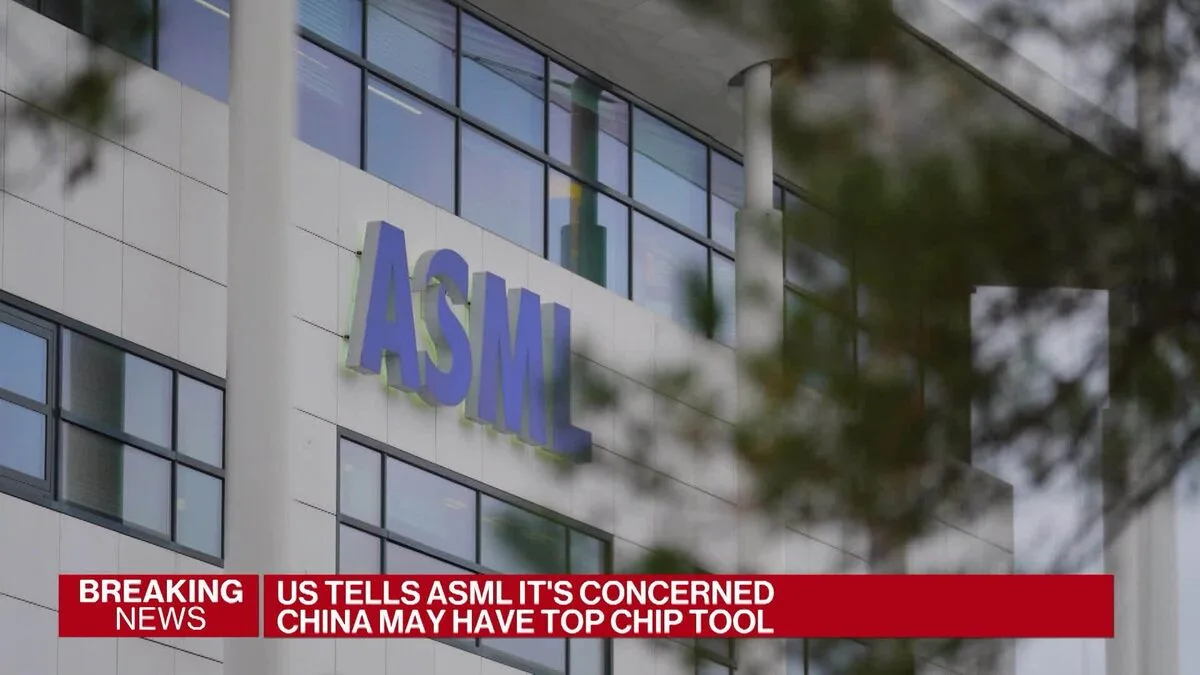
The US government thinks it might have, and that's a very big deal for the future of AI hardware and anything built on top of it.
Why this is not simply about tariffs or political risk
The easy read on this story is that Schimpf is responding to uncertainty in the US political environment, and that is probably part of it. But to be precise, the more interesting thread here is about the structural economics of allied defense procurement.
Europe is under significant pressure, from NATO commitments, from the ongoing war in Ukraine, and from a growing consensus that the continent cannot depend indefinitely on American hardware and stockpiles. European governments have money to spend on defense, and they have a strong political preference for spending it domestically, or at least regionally. A company like Anduril, which has positioned itself as a technology integrator rather than a traditional prime contractor, has an argument to make that it can bring manufacturing capability to Europe rather than simply exporting finished products.
It is worth noting that this is not a new tension in defense procurement. The debate between buying American-made systems and building domestic industrial capacity has played out in country after country, from fighter jet competitions to armored vehicle programs. What is new, or at least newer, is that software-defined autonomous systems change the calculus somewhat. The intellectual property and the core algorithmic capability can remain centralized even if the physical manufacturing is distributed. Whether governments will accept that arrangement, or whether they will demand genuine technology transfer, remains unclear.
The manufacturing question is harder than it sounds
I want to push back slightly on the framing that European manufacturing talent is simply waiting to be organized. It is true that skilled workers exist. But defense manufacturing is not just about machining precision parts; it involves cleared facilities, supply chain auditing, export control compliance, and regulatory frameworks that differ substantially across jurisdictions. Building a weapons manufacturing hub in, say, Poland or the UK is not the same as opening a consumer electronics assembly facility.
Anduril has been building out its Arsenal-1 facility in Ohio, which is designed around the idea of high-tempo, software-integrated production of autonomous systems. Replicating that model in a different regulatory environment, with different workforce training pipelines and different security requirements, is a non-trivial undertaking. I know I am being picky here, but the gap between "we would absolutely consider it" and "we are building it" is substantial, and Schimpf's comments do not close that gap.
The company did not disclose any specific locations, timelines, or investment figures in connection with these remarks.
What the European context adds
There is a reason Schimpf made these comments in the UK rather than, say, at a Washington defense conference. European defense ministries are actively looking for partners who can help them build domestic industrial capacity quickly. The UK's defence industrial strategy, Germany's Zeitenwende spending commitments, and the EU's broader push for defence autonomy all create procurement environments that are, at least in principle, receptive to what Anduril is offering.
Actually, the research on allied industrial base integration suggests this is more complicated than it appears. Studies of previous attempts to co-produce advanced military systems across NATO allies, including the F-35 program and various missile development partnerships, show that the transaction costs of managing distributed manufacturing are significant, and that political pressures often push toward local content requirements that fragment rather than integrate supply chains. Whether Anduril's model is different enough to avoid those failure modes is something we do not know yet.
There is also a question about what "outside the US" actually means in practice. A facility in the UK, which has deep defense-industrial ties to the US and operates under Five Eyes intelligence-sharing arrangements, is a very different proposition from a facility in continental Europe. Schimpf did not specify, and it probably does not matter at this stage of the conversation, but it will matter enormously if and when actual site selection begins.
The broader signal for defense-tech
Anduril is not the only American defense-tech company looking at European expansion. Palantir has been building European government relationships for years. Shield AI and other autonomous systems companies have been in conversations with allied militaries. What is different about Schimpf's comments is the explicit willingness to locate manufacturing, not just sales offices or integration partnerships, outside the United States.
This raises questions about, well, multiple things: how the US government will respond to the idea of a major American defense contractor building weapons production capacity in allied but foreign territory; how that intersects with International Traffic in Arms Regulations and similar export control frameworks; and what it means for the workforce and economic arguments that have historically been used to justify defense contracts as domestic industrial policy.
The ITAR question alone is significant. Autonomous weapons systems involve controlled technologies, and manufacturing them outside the US is not simply a matter of choosing a building and hiring workers. It requires export licenses, facility approvals, and ongoing compliance infrastructure. None of that is insurmountable, but it is a substantial overhead cost that does not disappear just because there is manufacturing talent available in Europe.
What I would want to see next
If I were trying to evaluate whether Schimpf's comments represent a genuine strategic shift or a well-calibrated signal to a receptive audience, I would want to see a few things.
First, actual engagement with specific European governments at the procurement level, not just forum appearances. If Anduril is serious about European manufacturing, there should be memoranda of understanding, facility scouting activity, or at minimum regulatory pre-consultations that would eventually become visible.
Second, some clarity on what technologies would be manufactured where. Not all of Anduril's product portfolio is equally sensitive or equally suited to distributed production. Lattice, the company's AI-driven command-and-control software, is not a physical manufacturing question. Autonomous vehicles and loitering munitions are. The distinction matters.
Third, and this is perhaps the most important, a clear articulation of how Anduril plans to navigate the technology transfer expectations of European governments. Countries that are spending significant sums on defense modernization are not going to accept a model where the core capability stays in California and they get the screwdriver assembly work. If Anduril is serious about European manufacturing, it will need to offer something more substantial than that, and it is not yet obvious what that offer looks like.
Schimpf's comments are worth watching. They are not, on their own, evidence of a major strategic realignment. But they are a data point in a pattern that suggests American defense-tech companies are increasingly thinking about allied markets not just as customers but as potential production partners. Whether that thinking translates into actual infrastructure, with all the regulatory and political complexity that implies, is a question that will take considerably longer to answer.