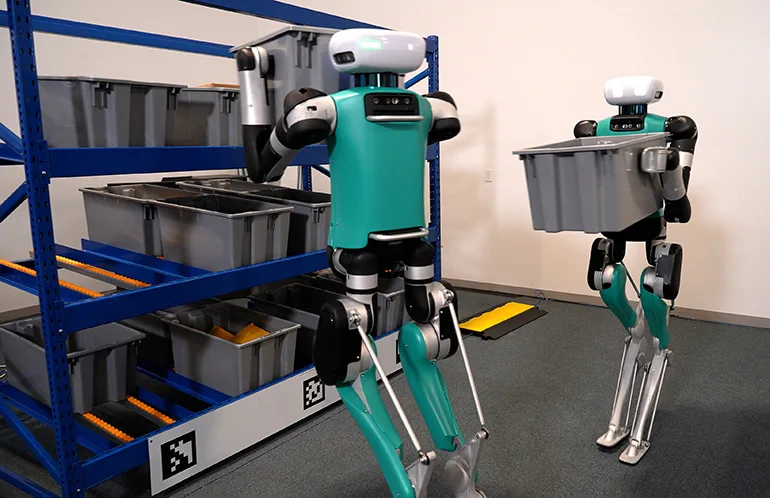
Kawasaki Enters the Humanoid Race, Marking Japan's Third Major Programme in Six Months
The industrial giant's move into humanoid robotics signals a broader cultural shift among Japanese manufacturers, who are now treating the category as a serious commercial opportunity rather than a research curiosity.
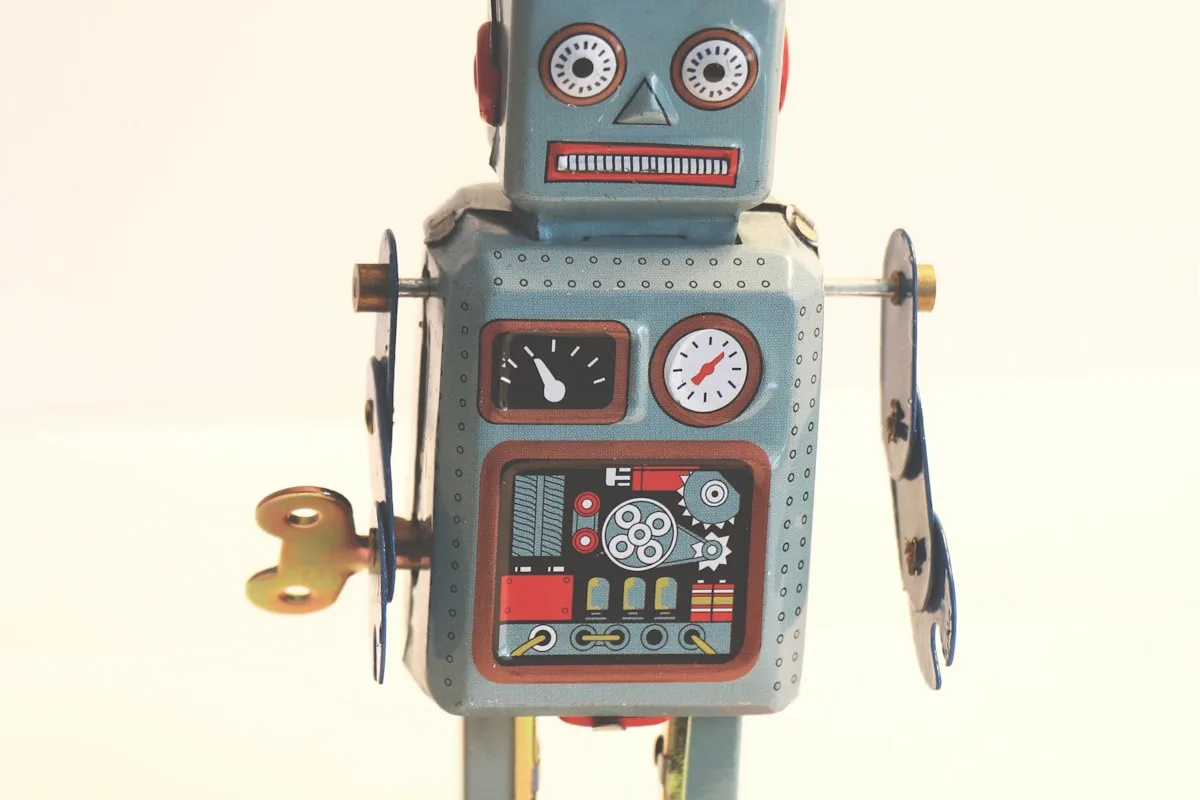
画像クレジット: Photo via Unsplash. Free to use under Unsplash License. · source
Kawasaki has announced its entry into humanoid robotics, becoming the third major Japanese manufacturer to launch such a programme in the past six months. The move represents a significant shift in how Japan's industrial heavyweights are approaching a category they once left largely to academic labs and startups.
Why is this announcement significant?
Japan has long been synonymous with robotics, but its major manufacturers have historically focused on industrial arms and specialised automation rather than human-shaped machines. The rapid succession of announcements, as reported by Financial Times and confirmed by WSJ, suggests that calculation has changed.
Three programmes in six months is not coincidence. It reflects a coordinated recognition across Japan's manufacturing sector that humanoid robots may soon move from laboratory demonstrations to factory floors.
What is driving this shift?
Several factors appear to be converging. Japan faces one of the world's most severe labour shortages, with an ageing population and declining workforce participation. At the same time, advances in AI and machine learning have made general-purpose robots more feasible than they were even five years ago.
関連記事
More in Humanoids
The headlines are celebrating a $2.5B humanoid robotics deal. I'd pump the brakes a little.
Mark Kowalski · 25 Jun · 6 min
Sometimes the sources don't pan out. Here's what happened when I tried to write a humanoids story this week and ended up with Samsung deals instead.
Sarah Williams · 25 Jun · 3 min
Diffusion models are getting good at imagining robot movements, but 'imaginable' and 'physically possible' aren't the same thing. Researchers are starting to close that gap.
Sarah Williams · 25 Jun · 6 min
A batch of fresh robotics research tackles the same underlying problem from different angles: robots that can see but don't really understand where things are.