FCC Quietly Carves Out Toy Drones From Its Foreign Equipment Ban
The FCC just removed a narrow category of toy drones from its Covered List. It's a small move, but it tells you something about where the regulatory wind is blowing.
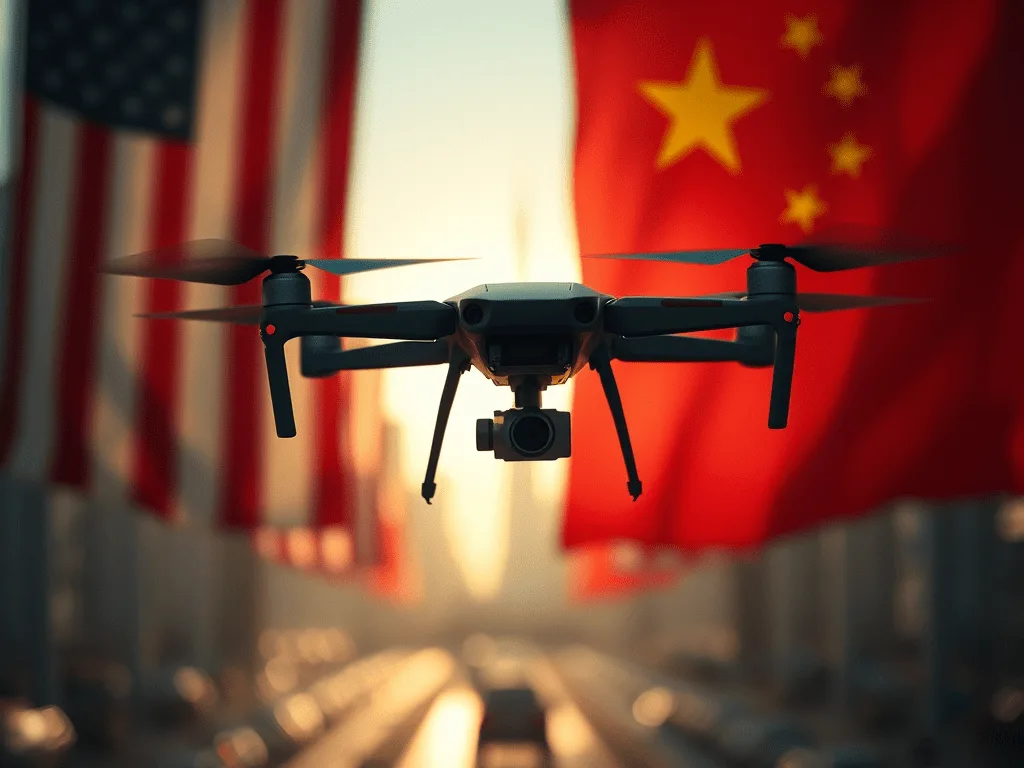
画像クレジット: Image via DroneDJ. Used under fair use for news commentary. · source
Roughly 25,000 words of federal rulemaking, and the headline is about toy drones. That's Washington for you.
The FCC updated its Covered List this month to remove a narrowly defined category of foreign-produced drones, specifically what the agency is calling "Toy Drones that contain foreign-produced components." The action followed a June 12, 2026 National review, and DroneDJ called it, accurately enough, a sign that federal regulators are willing to make targeted exceptions even while the broader crackdown stays in place. Dronelife also covered the FCC's move to define a formal "Low-Risk UAS" category alongside it.
So what does this actually mean? I'll be honest, I'm not a drone guy by trade. My background is floor-level industrial automation, teach pendants and safety fencing and worrying about whether a KR 210 R2700 is going to clip a forklift driver. But I've watched the foreign equipment debate closely because it's the same conversation we've been having in industrial robotics for years, just with wings.
What the FCC Actually Did
The core of this is pretty simple. The FCC maintains a Covered List of communications equipment and services deemed national security risks. Chinese-made drones, particularly DJI products, have been a major focus. This update carves out a specific exemption for low-stakes consumer toy drones, based on a set of characteristics federal officials consider low risk.
The key points, as best I can piece together from the available reporting:
- The exemption applies to a narrowly defined "Toy Drone" category, not commercial or industrial UAS
- The FCC also formally defined what it considers a "Low-Risk UAS," which is new and potentially significant for future rulemaking
関連記事
More in Drones
A pair of arXiv preprints tackle the same hard problem in drone control from very different angles. The results are promising, but the gap between 'outdoor experiment' and 'deployed system' remains large.
Aisha Patel · 25 Jun · 9 min
The Air 3S discount is real, but the urgency behind it has less to do with Amazon's sale and more to do with where DJI hardware might be headed.
Mark Kowalski · 23 Jun · 6 min
Procurement is the easy headline. Actually building enough drones, fast enough, with American parts, is the problem nobody's solved yet.
Mark Kowalski · 20 Jun · 7 min
Two new studies on autonomous drones in emergency services surface a problem nobody's really solved: when something goes wrong, who's accountable?