A Bloomberg terminal in a midtown Manhattan office, green numbers flickering. Somewhere, an analyst is upgrading Ford or Volkswagen based on their "AI potential." The thesis sounds compelling: legacy automakers have manufacturing scale, supply chains, and decades of engineering talent. Surely they can ride the AI wave into autonomous vehicles and intelligent factories.
I'm skeptical. Not because the opportunity isn't real, but because the gap between "AI exposure" as a financial narrative and "AI capability" as a technical reality is wider than most investors seem to appreciate.
According to recent Bloomberg reporting, Wall Street is increasingly bullish on legacy automakers as AI beneficiaries. The logic goes something like this: as AI transforms transportation and manufacturing, companies with existing production infrastructure are positioned to deploy these technologies at scale. It's a tidy story. It's also incomplete.
To be precise, the research shows a more complicated picture. When we look at the actual AI capabilities being developed in automotive contexts (perception systems, planning algorithms, end-to-end learned controllers), the leaders are not the companies with the largest factory footprints. They're the ones with the deepest machine learning talent pools and the most sophisticated data pipelines. Manufacturing scale is a necessary condition for deploying autonomous vehicles, but it's nowhere near sufficient.
I know I'm being picky here, but this distinction matters enormously for valuation. A company that can build 500,000 cars per year but lacks the software stack to make them autonomous is in a fundamentally different position than a company building 50,000 vehicles with genuine Level 4 capability. The former is betting on partnerships or acquisitions. The latter owns the core technology.
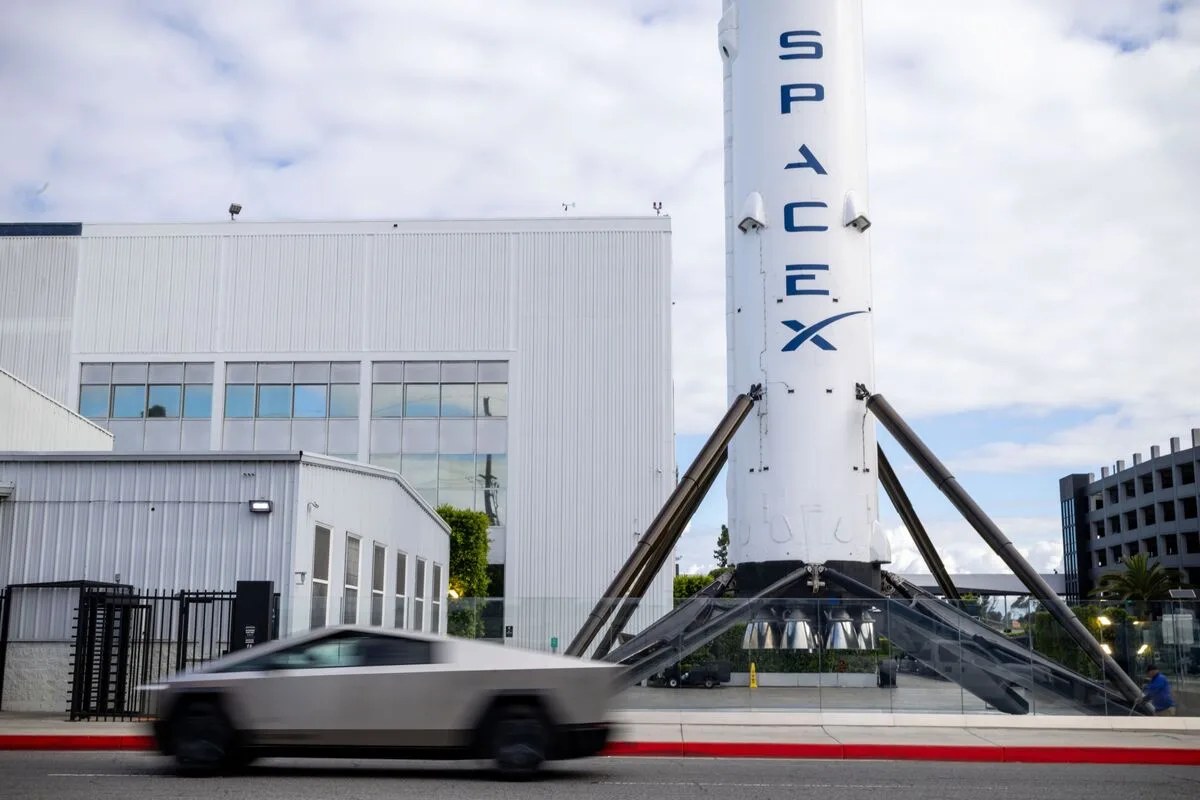
The broader context here is instructive. Bloomberg reports that the AI era is reshaping how Wall Street approaches technology IPOs, with SpaceX and potentially OpenAI representing a new model for how AI-adjacent companies go public. This matters for the automotive sector because it reveals where sophisticated investors believe the value actually lies.
It's worth noting that the companies commanding the highest valuations in this cycle are not hardware manufacturers. They're the ones building foundation models, developing novel architectures, or controlling unique data assets. The automotive incumbents being upgraded by analysts don't fit neatly into any of these categories. They're positioned as deployers of AI, not creators of it.
This isn't necessarily fatal to the investment thesis, actually, the research shows that deployment at scale has historically been where a lot of value gets captured. But it does suggest that the margin structure for legacy automakers will look different than the margin structure for the AI companies themselves. Deployers typically earn lower returns than innovators, at least until the technology becomes commoditized.
There's another issue that rarely appears in analyst reports: the talent pipeline. Building genuinely capable AI systems for vehicles (not just ADAS features dressed up with marketing language, but actual autonomous capability) requires a specific kind of expertise. It requires people who understand both the machine learning stack and the physical constraints of real-world robotics.
These people exist, but they're scarce. And they tend not to work at legacy automakers. The compensation structures, the organizational cultures, the pace of iteration, none of it is optimized for attracting top ML talent. This has been true for years and remains true today. I haven't seen evidence that the current wave of AI enthusiasm has changed the underlying dynamics.
The sample size is small, but the anecdotal evidence from researchers I know is consistent: the best people in embodied AI are going to dedicated robotics companies, AI labs, or starting their own ventures. They're not going to Detroit. This creates a structural disadvantage that manufacturing scale cannot easily overcome.
I should be clear about what I'm not saying. I'm not arguing that legacy automakers have no role in the AI-driven future of transportation. Manufacturing capability matters. Distribution networks matter. Regulatory relationships matter. These are real assets.
What I'm saying is that the current enthusiasm seems to conflate "exposure to AI trends" with "capability to capture AI value." These are different things. A company can be exposed to a technological shift and still lose to competitors who are better positioned to exploit it.
What I'd want to see to become more bullish: evidence that legacy automakers are building genuine in-house AI research capabilities (not just partnerships), recruiting top-tier ML talent at scale, and developing proprietary data advantages that would be difficult for competitors to replicate. Some companies are making moves in this direction, but it's too early to say whether they'll succeed. The organizational transformation required is substantial, and automotive companies have historically struggled with rapid cultural change.
Several things remain unclear to me. First, how are analysts actually measuring "AI capability" when they upgrade these stocks? The methodology matters, and I haven't seen rigorous frameworks for distinguishing genuine technical capability from marketing claims. Second, what happens to these valuations if the timeline for autonomous vehicles extends further than current projections? We've already seen multiple rounds of timeline slippage in this space. Third, are the partnerships between legacy automakers and AI companies structured in ways that allow the automakers to capture meaningful value, or are they essentially paying a tax to technology providers?
I only found two sources on this specific topic, so my analysis is necessarily limited. But the pattern I'm seeing, Wall Street enthusiasm running ahead of demonstrated technical capability, is familiar from previous technology cycles. It doesn't mean the stocks won't go up. It means the underlying thesis deserves more scrutiny than it's getting.
The AI transformation of automotive is real. The question is who captures the value. I'm not convinced the answer is "the companies with the biggest factories."