SpaceX wants $1.75 trillion and a Mars colony, and honestly I've seen this movie before
The S-1 filing is finally here, and it reads less like a prospectus and more like a pitch deck for the next century.
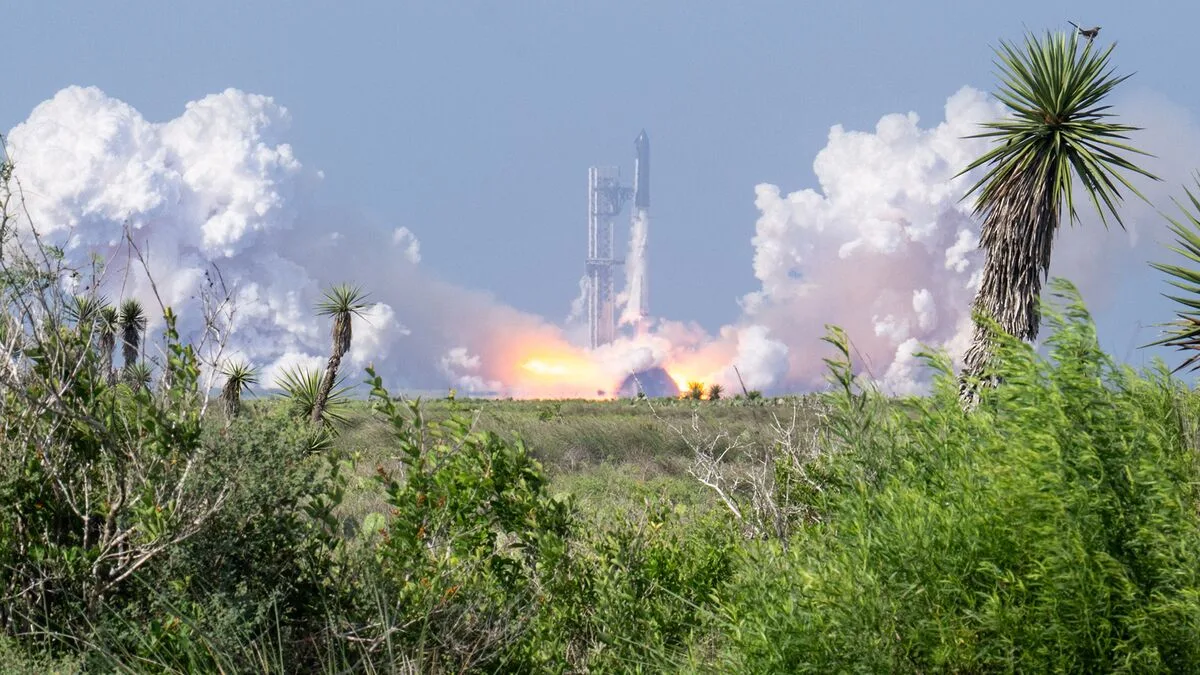
画像クレジット: Image via source article. Used under fair use for news commentary. · source
Twenty-eight trillion dollars.
That's the total addressable market SpaceX is claiming in its long-awaited S-1 filing, a number so large it stops meaning anything. For context, that's roughly the combined GDP of the United States and China. The company isn't just selling rockets anymore, it's selling the future itself, and if you squint at the numbers hard enough, you can almost see the logic. Almost.
I've been covering tech IPOs since the dot-com boom, back when companies went public with nothing but a domain name and a dream, and I'll tell you something: the SpaceX filing reads like those old prospectuses, except the dream is bigger and the numbers have more zeros. The S-1 runs to 36 pages of risk factors alone (I counted), which is either refreshing honesty or a legal team earning their billable hours. Probably both.
The numbers game
Let's talk about what we actually know, because there's a lot we don't. TechCrunch reports the target valuation at $1.75 trillion, which would make this the largest IPO in American history by a considerable margin. For comparison, Saudi Aramco's 2019 IPO valued the company at about $1.7 trillion, and that was a state-owned oil giant with actual reserves you could measure.
SpaceX's reserves are, well, different. The company is positioning itself not just as a launch provider but as an AI company, according to Bloomberg, which reports SpaceX is targeting a $26.5 trillion market opportunity. Wait, that's different from the $28 trillion number in the filing. Which is it? Remains unclear, and nobody seems particularly bothered by the discrepancy. When you're dealing with numbers this large, what's a trillion or two between friends?
関連記事
More in Autonomy
A startup called REO says it will sell a pickup truck for $21,500. The price is striking. The evidence for it is less so.
Aisha Patel · 24 Jun · 9 min
Researchers are patching the 'trajectory scoring gap' in sidewalk robots with VLMs and human attention modeling. The ideas are clever. The caveats are real.
Mark Kowalski · 20 Jun · 6 min
Two new papers tackle one of robotics' most stubborn problems: getting a robot to figure out its location using LiDAR, without needing to have visited the place before.
Sarah Williams · 19 Jun · 5 min
The defense tech startup is moving from drones to full autonomous fighters, and it raises questions about where the line between AI autonomy and human oversight actually sits.