TDK Is Paying Up to $400 Million for a 3D-Printing Startup, and It's Not Really About 3D Printing
TDK's acquisition of Fabric8Labs is a data-center cooling play dressed up in manufacturing clothes. Bob Macintosh has seen this pattern before.
Image credit: Image via Bloomberg — Technology. Used under fair use for news commentary. · source
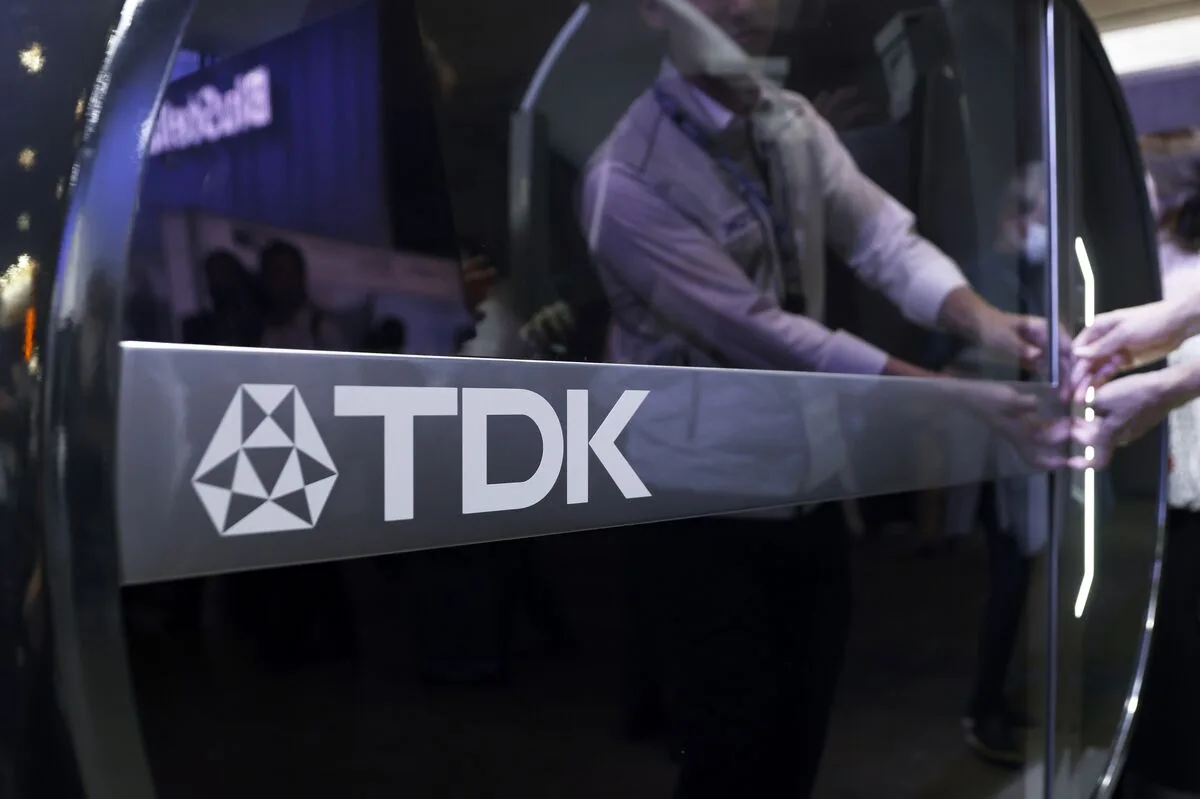
There's a photo on my desk of the first KUKA KR 150 line we commissioned back in the late nineties. Big, orange, beautiful. The reason I mention it is that the company supplying the servo components at the time was TDK, and even then you could tell they weren't content just making passive components. They always had one eye on the next thing. So when I saw the news that TDK is spending up to $400 million to acquire Bloomberg Fabric8Labs, a US startup with a novel electrochemical 3D-printing process, I wasn't shocked. I was curious.
Because look, here's the thing: this deal isn't really about 3D printing. Not at its core. Fabric8Labs has developed a technology that can manufacture copper heat-exchange components with a level of geometric complexity you simply can't get from conventional machining or casting. And right now, the people who desperately need complex copper heat exchangers are the hyperscalers. The data centres running AI inference workloads are generating heat at a rate that's making conventional air cooling look like a desk fan. TDK sees that, and they're buying their way into it.
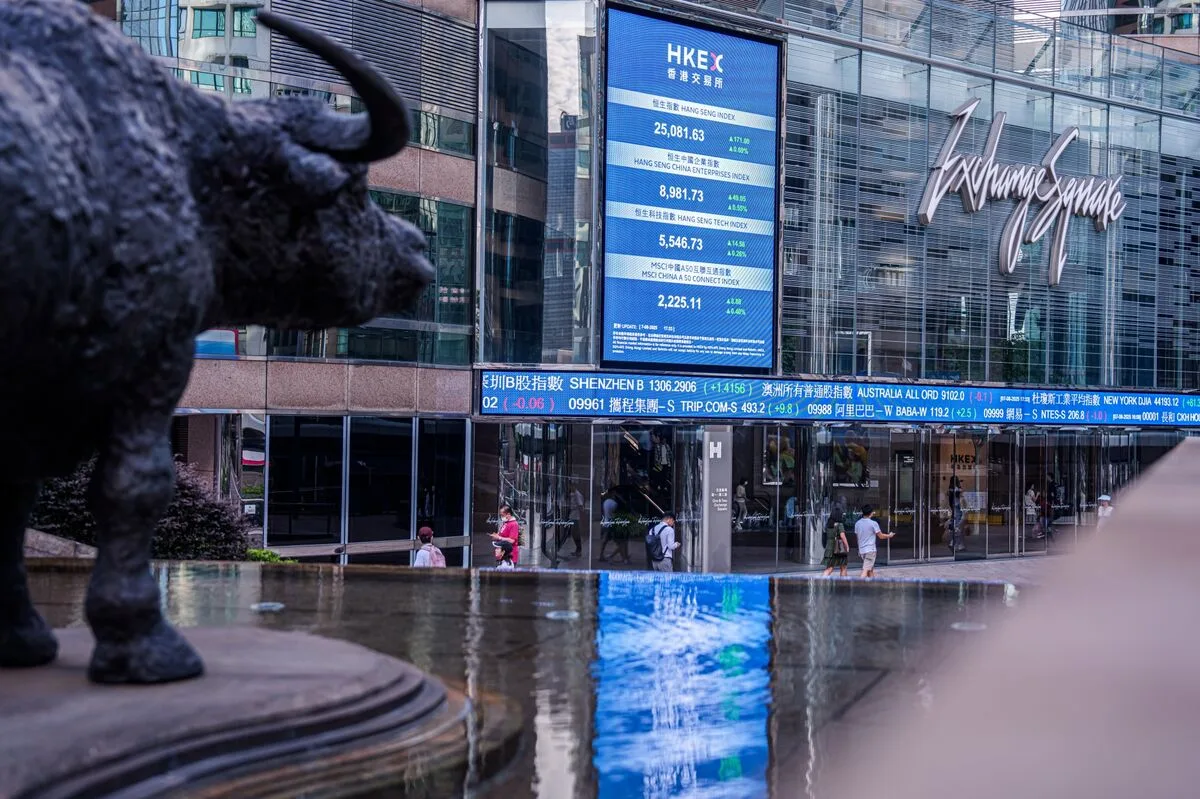
Jim Tran, CEO of TDK USA, spoke about the acquisition on Bloomberg: The Asia Trade, framing it squarely around the company's push into its data centre business. That framing matters. This isn't a manufacturing play or an Industry 4.0 story. It's TDK telling the Nvidias and the hyperscalers of the world: we can supply you the thermal management components that keep your AI clusters from melting.
I'll be honest, the electrochemical deposition process Fabric8Labs uses is genuinely interesting from an engineering standpoint. When I was at Kuka, we spent a lot of time worrying about thermal management in motor housings, and the constraint was always manufacturability. You could design a cooling channel geometry that would work beautifully in simulation, and then your machinist would look at you like you'd asked him to carve the Sistine Chapel with a spoon. The promise of additive manufacturing for internal geometries has been real for twenty years. The execution has been patchy. Fabric8Labs apparently has something that actually scales, at least for copper, which is what makes it interesting to a components giant like TDK.
Related coverage
More in Industrial
The Apple supplier priced its shares at the maximum and still had to turn away demand, which tells you something about where hardware money is flowing right now.
James Chen · 25 Jun · 5 min
Prime Day deals on Echos and Ring cameras are fine, but let's not confuse consumer gadgets with the serious robotics work happening in warehouses.
Robert "Bob" Macintosh · 25 Jun · 3 min
Amazon's CEO made his first India trip and left behind a $13 billion AI commitment and an aggressive quick-commerce expansion. The numbers are real. The execution is the hard part.
James Chen · 25 Jun · 6 min
A wave of arXiv preprints this week tackles one of manipulation's oldest problems: how do you get a robot to learn from imperfect, incomplete, or just plain missing data?