NVIDIA's simulation push is impressive, but I've seen this movie before
Isaac Sim and NemoClaw are genuinely useful tools, but let's pump the brakes on the hype a little.
Image credit: Image via Source article. Used under fair use for news commentary. · source
Look, I'll be honest: when I first read about NVIDIA's latest announcements around Isaac Sim and this new NemoClaw thing, my initial reaction was "here we go again." Another platform promising to revolutionize industrial simulation. Another set of buzzwords about AI-powered engineering workflows.
Then I actually dug into what they're doing, and I have to admit, it's more substantial than I expected. But that doesn't mean we should lose our heads over it.
What's actually new here?
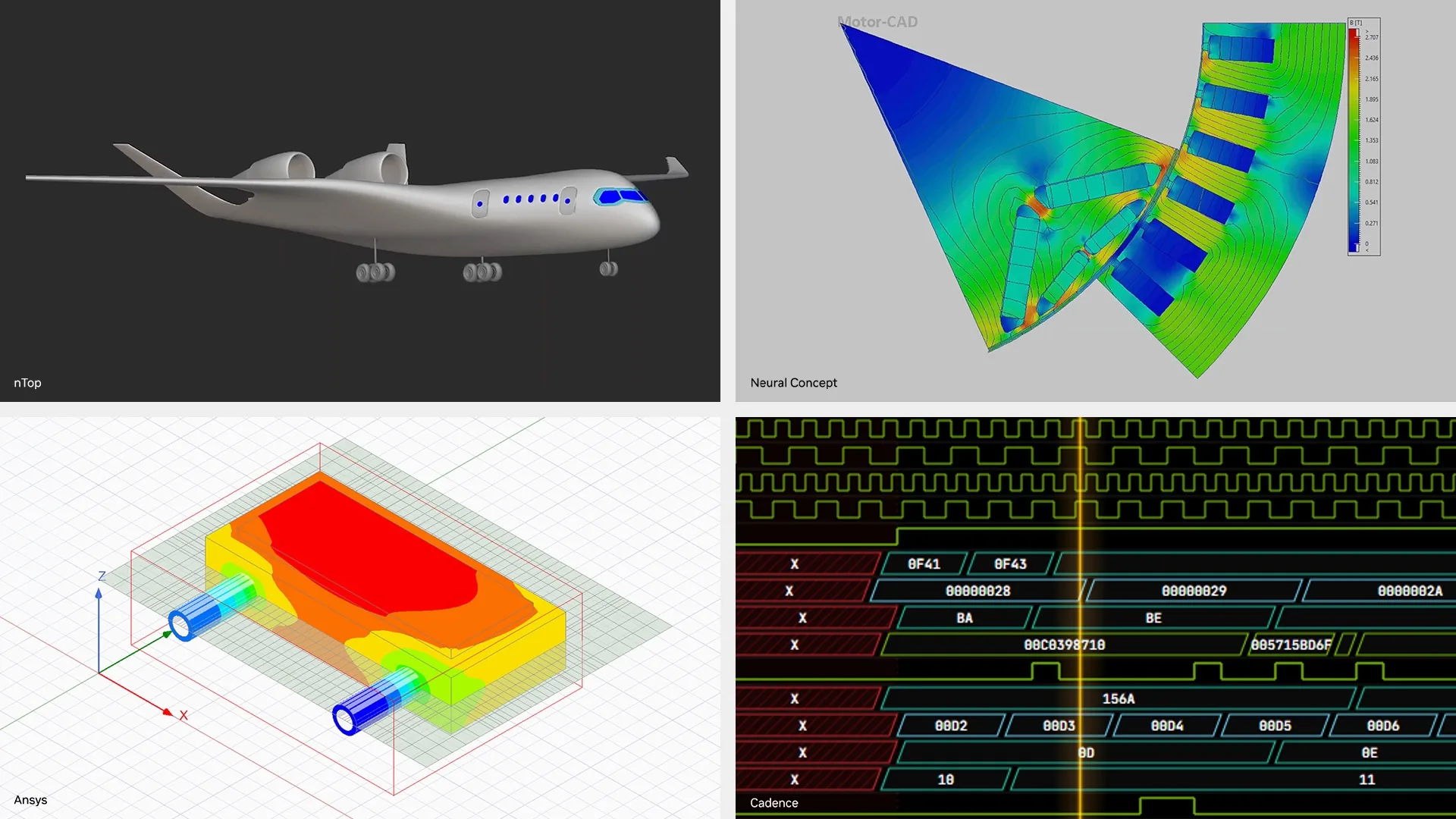
The NVIDIA blog is talking up NemoClaw, which is essentially a framework for building what they call "autonomous AI engineers." The pitch is that it handles the tedious stuff around simulations: CAD work, meshing, setup, debugging, post-processing. All the bits that eat up an engineer's day.
Meanwhile, there's a new survey paper on arXiv that takes a serious look at Isaac Sim's architecture. The key claim is that GPU acceleration lets you run large-scale parallel training that would've taken weeks and compress it down to hours. When I was at Kuka, we had simulation environments that would chug along overnight just to validate a single pick-and-place sequence. So yeah, faster is better.
Does this actually matter for production environments?
Related coverage
More in Industrial
The Apple supplier priced its shares at the maximum and still had to turn away demand, which tells you something about where hardware money is flowing right now.
James Chen · 25 Jun · 5 min
Prime Day deals on Echos and Ring cameras are fine, but let's not confuse consumer gadgets with the serious robotics work happening in warehouses.
Robert "Bob" Macintosh · 25 Jun · 3 min
Amazon's CEO made his first India trip and left behind a $13 billion AI commitment and an aggressive quick-commerce expansion. The numbers are real. The execution is the hard part.
James Chen · 25 Jun · 6 min
A wave of arXiv preprints this week tackles one of manipulation's oldest problems: how do you get a robot to learn from imperfect, incomplete, or just plain missing data?