Brain-Computer Interfaces Aren't Just Medical Tech Anymore, and That Should Matter to Robotics
Everyone's covering BCI as a healthcare story, but the real disruption is coming for industrial control systems.
Image credit: Image via Source article. Used under fair use for news commentary. · source
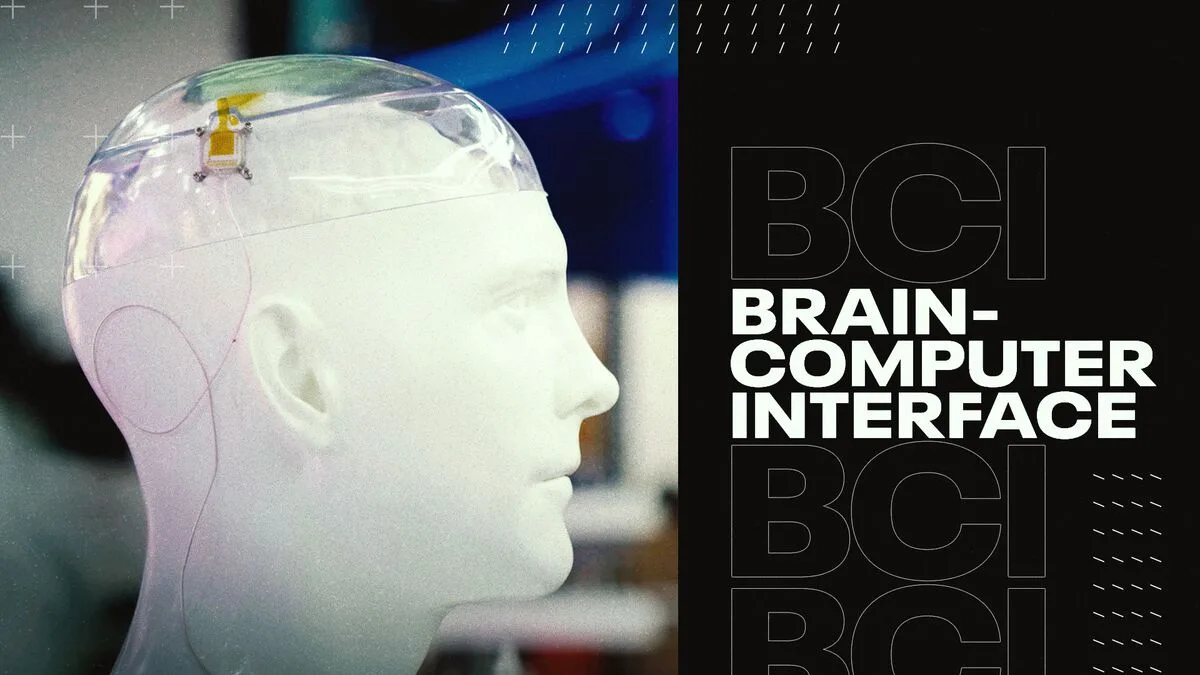
Most of the coverage I've seen on brain-computer interfaces this week treats it like a medical device story. FDA approvals, clinical trials, patients regaining motor function. All important, sure. But I think the robotics industry is sleepwalking into something much bigger here.
Bloomberg ran a piece calling BCIs "a new human-machine reality," and for once the headline isn't overselling it. They also published footage from inside a Chinese BCI startup that's apparently ahead of most Western competitors on commercialisation timelines. That second part got buried in the tech press, which tells you something about where people's attention is.
Look, here's the thing. When I was at Kuka, we spent years trying to make robot programming more intuitive. Teach pendants, offline simulation, eventually some gesture recognition stuff that never really worked outside the lab. The fundamental problem was always the same: getting human intent into the machine without a massive translation layer in between.
What This Actually Means for Industrial Control
I called my old colleague at Siemens last week, guy named Werner who's been in automation controls since the 80s. He's been tracking BCI developments for about three years now, and his take surprised me. He thinks we're maybe five to seven years from seeing non-invasive BCI headsets used in industrial settings. Not for surgery, not for paralysis patients. For machine operators.
Related coverage
More in Industrial
The Apple supplier priced its shares at the maximum and still had to turn away demand, which tells you something about where hardware money is flowing right now.
James Chen · 25 Jun · 5 min
Prime Day deals on Echos and Ring cameras are fine, but let's not confuse consumer gadgets with the serious robotics work happening in warehouses.
Robert "Bob" Macintosh · 25 Jun · 3 min
Amazon's CEO made his first India trip and left behind a $13 billion AI commitment and an aggressive quick-commerce expansion. The numbers are real. The execution is the hard part.
James Chen · 25 Jun · 6 min
A wave of arXiv preprints this week tackles one of manipulation's oldest problems: how do you get a robot to learn from imperfect, incomplete, or just plain missing data?