FedEx Pits Humanoid Robots Against Proven Automation in Memphis Warehouse Trial
The logistics giant is running a head-to-head comparison that could reveal whether humanoid pickers are ready to compete with established systems, or still years away from practical deployment.
Image credit: Photo via Unsplash. Free to use under Unsplash License. · source
FedEx has launched a pilot program at its Memphis facility that directly compares humanoid robot pickers against conventional goods-to-person automation systems, according to reports from IFR and Bloomberg. The early results are mixed, raising questions about when (or whether) humanoid robots will prove their worth in real logistics operations.
What is FedEx actually testing?
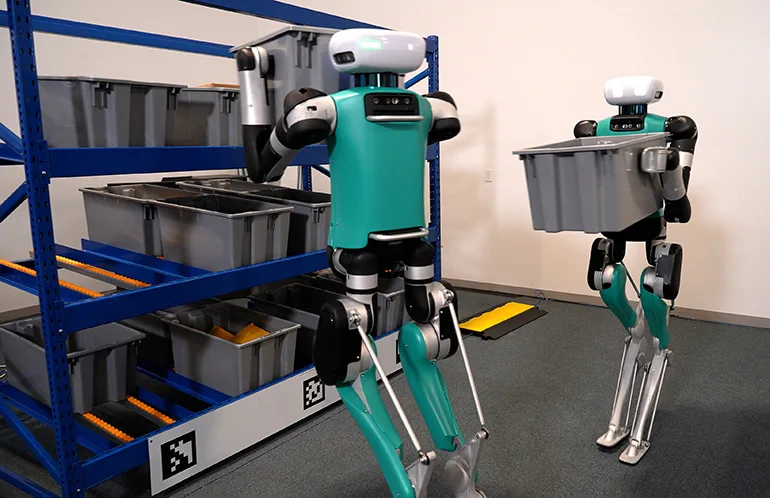
The Memphis pilot places humanoid robots and established automated systems in the same warehouse environment, performing comparable picking tasks. This side-by-side approach is notable because it moves beyond the typical demonstration video or controlled lab test. FedEx is measuring how humanoids perform against systems that already work at scale.
Goods-to-person systems, the incumbent technology in this comparison, use mobile robots to bring shelving units or totes directly to human workers at picking stations. These systems have been deployed for years and have well-understood performance characteristics. The humanoid robots, by contrast, are being asked to navigate warehouse environments and manipulate items much like a human worker would.
Why are the early numbers described as mixed?
Related coverage
More in Humanoids
The headlines are celebrating a $2.5B humanoid robotics deal. I'd pump the brakes a little.
Mark Kowalski · 25 Jun · 6 min
Sometimes the sources don't pan out. Here's what happened when I tried to write a humanoids story this week and ended up with Samsung deals instead.
Sarah Williams · 25 Jun · 3 min
Diffusion models are getting good at imagining robot movements, but 'imaginable' and 'physically possible' aren't the same thing. Researchers are starting to close that gap.
Sarah Williams · 25 Jun · 6 min
A batch of fresh robotics research tackles the same underlying problem from different angles: robots that can see but don't really understand where things are.