SpaceX Just Pulled Off the Biggest IPO in History. The Governance Questions Are Only Getting Started.
A $75 billion debut, a fixed price set before the roadshow, and pension managers already raising red flags. SpaceX's IPO is historic in more ways than one.
Crédit photo: Image via Bloomberg — Technology. Used under fair use for news commentary. · source
Picture the scene: June 2026, and SpaceX quietly prices its IPO at $135 per share, no price range, no traditional roadshow discovery process, just a fixed number handed to the market before investors even had a chance to weigh in. The stock jumps. Roughly $20 billion in first-day gains evaporates into the hands of early buyers rather than the company. The largest IPO in U.S. history, and it left more money on the table than any offering before it.
That's not a typo. Twenty billion dollars. More than double what Alibaba left behind in its 2014 debut, which held the previous U.S. record.
I've been watching this story develop mostly from the sidelines, since SpaceX sits closer to aerospace than to the embodied AI beat I usually cover. But the governance questions swirling around this IPO feel relevant to anyone tracking how powerful, founder-led technology companies interact with public markets. And honestly, I think this one's worth paying attention to.
Let's start with the pricing structure, because it's genuinely strange.
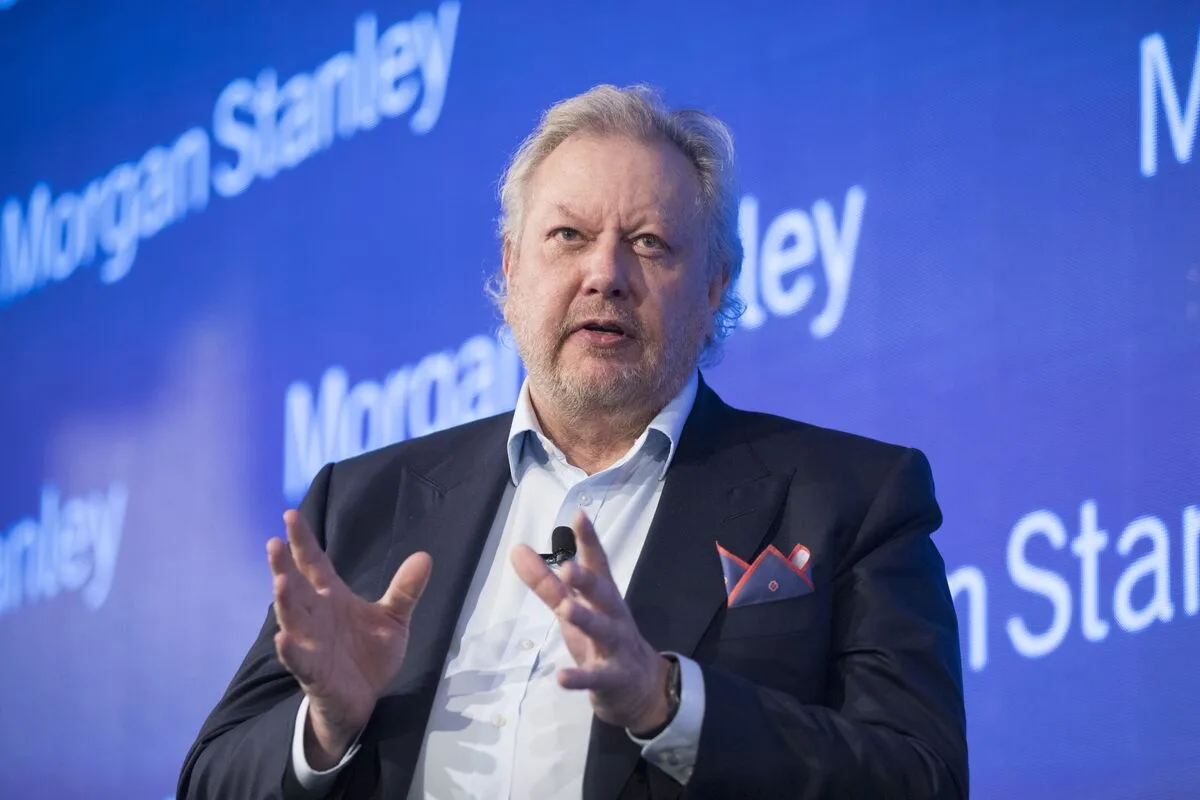
Most IPOs work through a process called bookbuilding. Bankers take a company on a roadshow, gauge investor appetite, and land on a price range before settling on a final number. The range exists precisely to calibrate demand. SpaceX skipped that. The $135 price was fixed before the roadshow, which Bloomberg described as highly unusual, with Lise Buyer, founder of Class V Group and one of the architects of Google's IPO, flagging the staggered lockup release structure as another distinctive feature of the deal.
À lire aussi
More in Policy
Everyone's framing this as a Windows headache, but the real story is what it means for the billion-plus devices that nobody's going to patch in time.
Mark Kowalski · 25 Jun · 6 min
The billionaire chairman of Australian logistics software giant WiseTech is under scrutiny again, and this time investors appear to be running out of goodwill.
Sarah Williams · 22 Jun · 4 min
The ad-supported streaming wars just got a lot more expensive. Fox's blockbuster Roku deal is either a masterstroke or a very pricey panic move, depending on who you ask.
Mark Kowalski · 20 Jun · 7 min
The US government thinks it might have, and that's a very big deal for the future of AI hardware and anything built on top of it.
The fixed pricing approach matters because it shifts risk and reward in ways that aren't immediately obvious. When a stock pops dramatically on day one, that's often a sign the offer price was too low. The company raised less than it could have. Buyers who got allocations made a fortune. Everyone else paid more.
Jay Ritter, director of The IPO Initiative and an emeritus professor at the University of Florida, put the first-day profit figure at approximately $20 billion, which is a staggering number by any measure. That's capital that could have gone to SpaceX's balance sheet, to fund Starship development or Starlink expansion, instead flowing to institutional allocatees on day one.
You might be wondering why a company with SpaceX's leverage would accept that outcome. That's a fair question, and it remains unclear whether this was a deliberate strategic choice, a miscalculation, or something else entirely.
Nell Minow, chair of Value Edge Advisors and former president of ISS, has been advising caution. She's highlighted significant corporate governance issues being raised by pension managers and institutional investors in the lead-up to and following the debut. The concerns aren't entirely new, Elon Musk's companies have attracted governance scrutiny for years, but the IPO puts them in sharper relief.
When a company is private, governance problems are largely the concern of existing investors who chose to take that risk. Once a company goes public, it's different. Pension funds, retail investors, index funds, they don't always get to choose whether they hold a stock. If SpaceX enters major indices, some investors will own it whether they want to or not.
I should know more about the specific governance structures being flagged here, tbh, but the sources I found focused more on the pricing dynamics than the structural details of voting rights or board composition. What's clear is that the concerns are serious enough to be raised by people whose entire job is evaluating these risks.
The $75 billion raised makes this the largest IPO debut in U.S. history, full stop. That's a number worth sitting with for a second.
For context, that's larger than the GDP of many countries. It reflects a valuation that prices in not just SpaceX's current Starlink revenue, but enormous expectations about Starship's commercial viability, potential government contracts, and the long-term economics of satellite internet at scale.
I initially thought the governance concerns might be a secondary story here, something for financial journalists to chase while the real news was the sheer scale of the offering. But after reading more closely, I think the two threads are inseparable. The pricing structure itself, the decision to fix the price early, the staggered lockups, these aren't just technical quirks. They're signals about how the company and its leadership approach the relationship with public markets.
A company that leaves $20 billion on the table isn't necessarily being careless. It might be prioritizing speed, or simplicity, or avoiding the negotiating dynamics of a traditional roadshow. But it does raise questions about whose interests the process was optimized for.
For readers who follow robotics and AI more than capital markets, here's why I think this is worth your attention.
SpaceX is increasingly a player in the broader autonomous systems and AI infrastructure space. Starlink provides connectivity for remote operations, autonomous vehicles, and drone networks. The company's engineering culture has influenced robotics companies directly. And Musk's other ventures, including Tesla's robotics ambitions and xAI, are now all operating in an environment shaped partly by how SpaceX's public market debut unfolds.
If the governance concerns translate into real friction with institutional investors, that could affect how capital flows toward or away from other founder-controlled technology companies. It could influence how the next generation of robotics and AI startups structures their own eventual public offerings.
This is based on limited data from the immediate post-IPO period, and it's genuinely too early to say whether the concerns raised by pension managers will gain traction or fade as the stock finds its level. Markets have a way of moving on.
But the mechanics of this deal, the fixed pricing, the scale of money left on the table, the governance flags from experienced institutional voices, are worth tracking. The largest IPO in history probably shouldn't be a one-day story.