TechCrunch's Startup Battlefield is back, and I have thoughts
The competition that launched a thousand pitch decks is accepting applications again, but the robotics startups that win these things rarely become the ones that matter.
Crédit photo: Image via TechCrunch — Robotics. Used under fair use for news commentary. · source
Remember when Jibo won Best Robot at CES back in 2017? I do. I was at that show, standing in a crowd of people absolutely convinced they were witnessing the future of consumer robotics. Jibo's dead now, of course. Which brings me to TechCrunch's Startup Battlefield 200.
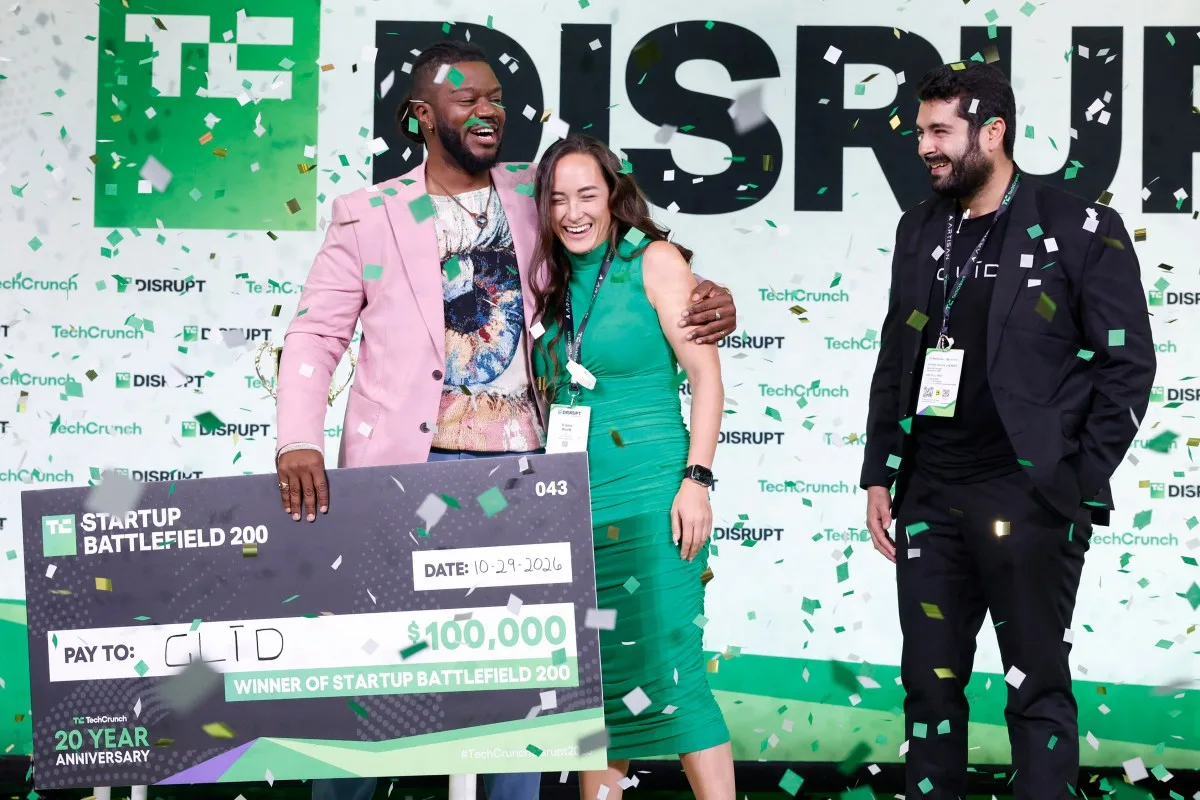
TechCrunch is closing applications today for their big competition at Disrupt. $100,000 in equity-free funding, VC access, the whole nine yards. Applications close at 11:59 p.m. Pacific, so if you're reading this and you've got a robotics startup, you've probably already missed it. Sorry about that.
Here's the thing about these competitions. I've watched dozens of robotics startups go through the Battlefield circuit over the years, and the correlation between winning and actually building a sustainable business is, well, basically nonexistent. The startups that win tend to have great demos. Great demos and great products are two very different animals.
When I was at Kuka, we used to joke that the best trade show demo was the one that worked three times in a row. That's it. Three times. Because if you could get a robot to do something reliably three times while a journalist was watching, you'd won. The startups that crush it at Battlefield have usually optimized for exactly this: a two-minute performance that looks magical under stage lights.
I'm not saying the competition is worthless. The visibility is real. The investor connections are real. And $100,000 is $100,000, even if it won't get you very far in hardware. What I am saying is that the skills required to win Startup Battlefield (storytelling, charisma, a demo that doesn't catch fire) are almost completely orthogonal to the skills required to build industrial robots that work in actual factories.
À lire aussi
More in Industrial
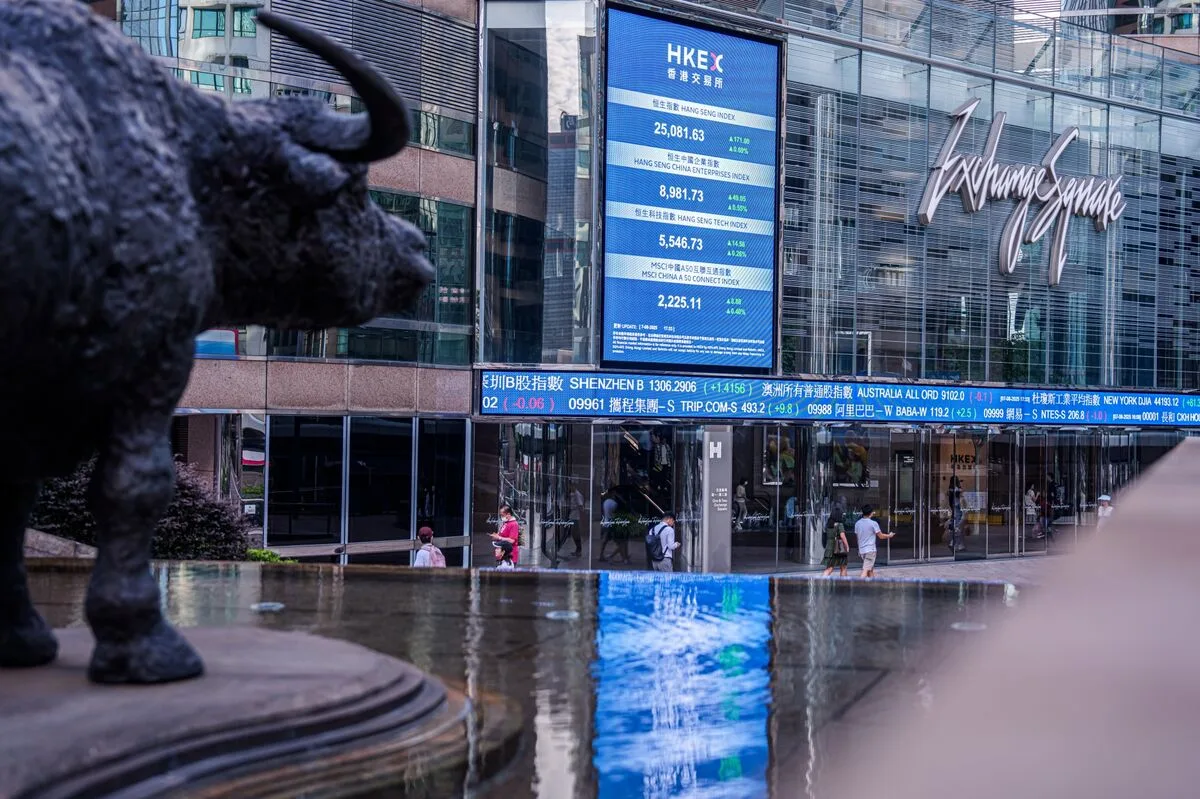
The Apple supplier priced its shares at the maximum and still had to turn away demand, which tells you something about where hardware money is flowing right now.
James Chen · 25 Jun · 5 min
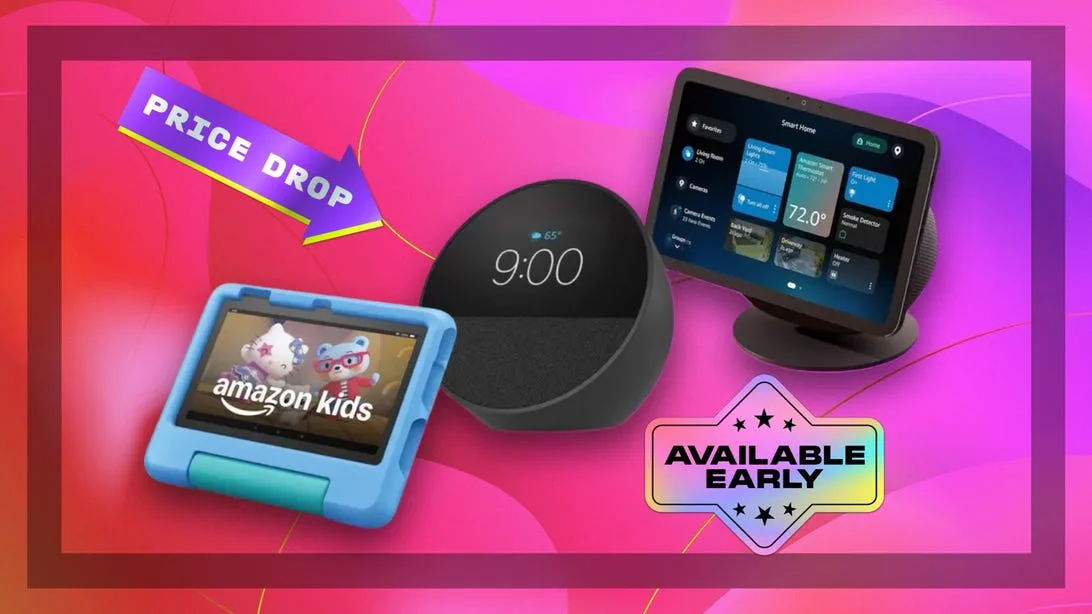
Prime Day deals on Echos and Ring cameras are fine, but let's not confuse consumer gadgets with the serious robotics work happening in warehouses.
Robert "Bob" Macintosh · 25 Jun · 3 min
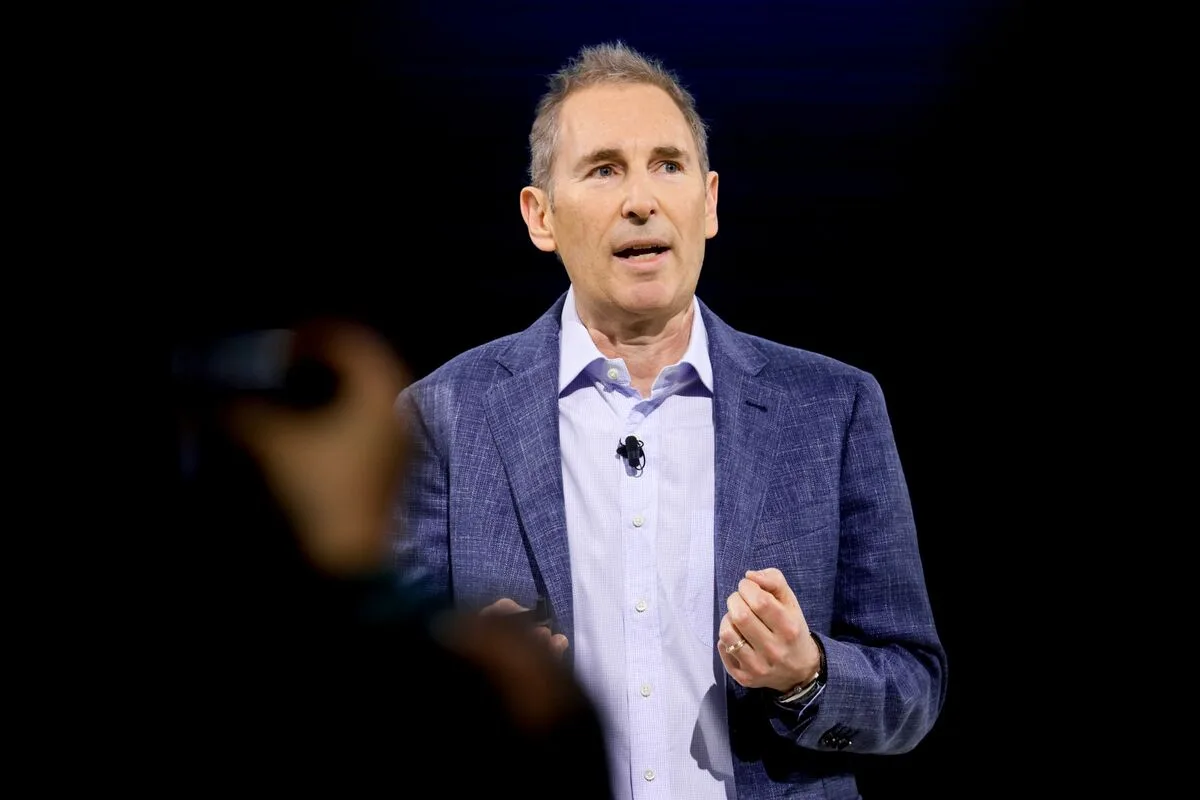
Amazon's CEO made his first India trip and left behind a $13 billion AI commitment and an aggressive quick-commerce expansion. The numbers are real. The execution is the hard part.
James Chen · 25 Jun · 6 min
A wave of arXiv preprints this week tackles one of manipulation's oldest problems: how do you get a robot to learn from imperfect, incomplete, or just plain missing data?