Slowtech Is a Consumer Story. Don't Let It Distract You From What's Happening on the Factory Floor.
Everyone's talking about phone addiction and attention spans. Bob thinks the real automation story is somewhere else entirely.
Crédit photo: Image via TechCrunch — AI. Used under fair use for news commentary. · source
Look, I'll be honest: I'm probably not the target audience for the slowtech movement.
I spent twelve years at Kuka before the writing bug got me, and in that world nobody was worried about doomscrolling. They were worried about cycle times, teach pendant ergonomics, and whether the safety PLC was going to flag a fault at 2am on a Sunday. Attention spans weren't the problem. Downtime was the problem.
So when I started seeing pieces in TechCrunch about a "slowtech revolution" designed to rescue consumers from their phones, my first instinct was to scroll past it. Which is, I suppose, ironic.
But I kept coming back to one quote that stuck with me. An unattributed source in the piece said: "People just really want to take back control of their time, their lives, their attention... They're down for whatever helps them do that."
And I thought: yeah. That's actually the same thing driving automation adoption in industrial settings right now. Just nobody's packaging it that way.
The Attention Economy Framing Misses the Bigger Picture
The slowtech conversation is fundamentally a consumer conversation. Dumb phones. Grayscale screens. Apps that lock you out of Instagram after twenty minutes. I get it. It's a real problem for real people.
But "taking back control of your time" isn't a new idea in manufacturing. When I was at Kuka, we were pitching exactly that to plant managers in the mid-2000s, just with different vocabulary. The sell was never "buy a KR 150 because robots are cool." It was: your skilled operators are spending 40% of their shift on repetitive pick-and-place tasks that are killing their backs and boring them half to death. Let the robot do that. Give your people back their time for the work that actually needs a human brain.
À lire aussi
More in Industrial
The Apple supplier priced its shares at the maximum and still had to turn away demand, which tells you something about where hardware money is flowing right now.
James Chen · 25 Jun · 5 min
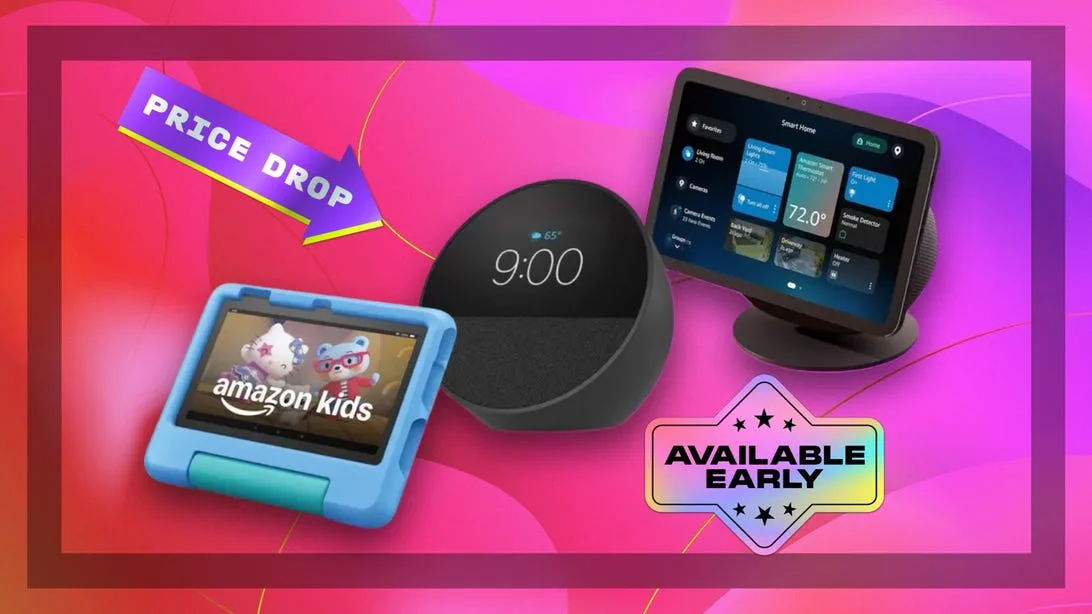
Prime Day deals on Echos and Ring cameras are fine, but let's not confuse consumer gadgets with the serious robotics work happening in warehouses.
Robert "Bob" Macintosh · 25 Jun · 3 min
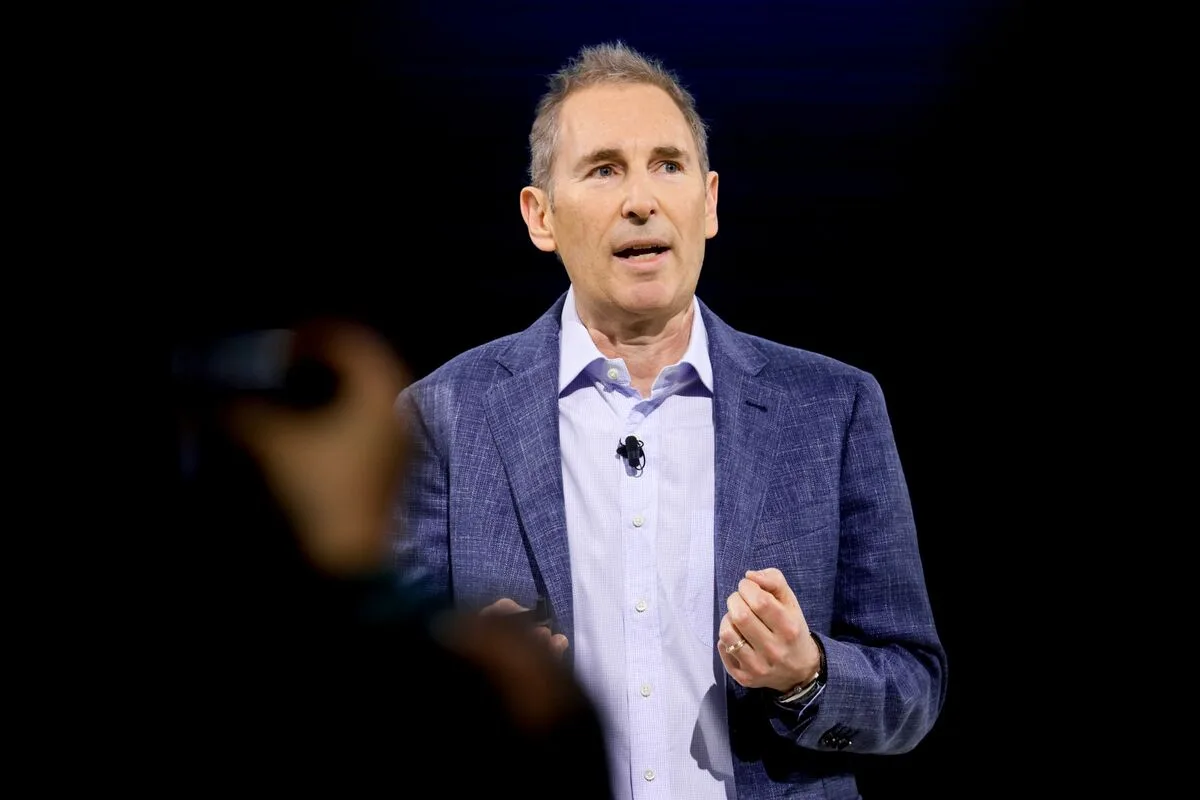
Amazon's CEO made his first India trip and left behind a $13 billion AI commitment and an aggressive quick-commerce expansion. The numbers are real. The execution is the hard part.
James Chen · 25 Jun · 6 min
A wave of arXiv preprints this week tackles one of manipulation's oldest problems: how do you get a robot to learn from imperfect, incomplete, or just plain missing data?