Does a cheaper pair of Meta glasses change anything for the people actually deploying wearables at scale in industrial environments? That's the question worth asking after Meta announced it's launching smart glasses under its own brand for the first time, ditching the Ray-Ban co-branding in favor of a lower price point.
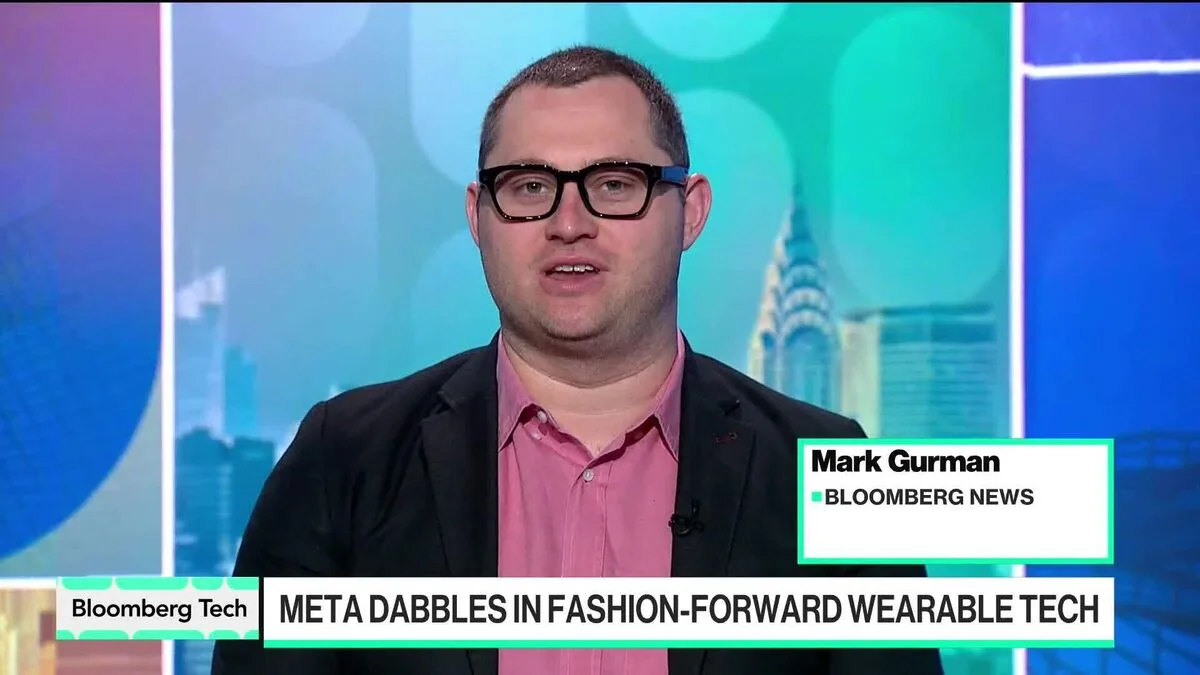
The news came via Bloomberg's Mark Gurman, who reported that Meta, which helped popularize the smart glasses category through partnerships with Ray-Ban and Oakley, is moving down-market with a new lineup. Gurman broke the story on Bloomberg, noting the shift is a deliberate push toward broader consumer accessibility. The quote from the segment was short: "Bloomberg Tech." Not exactly illuminating, but the move itself speaks loudly enough.
For context on where these sit relative to the existing lineup, ZDNet ran a comparison of the latest Meta AI glasses against the Meta Ray-Ban models, walking through specs and hands-on experience. The short version: the Ray-Ban partnership produced something genuinely wearable and socially acceptable in a way that earlier smart glasses never managed. The own-brand models are a different bet, trading fashion credibility for price accessibility.
I've seen enough spec sheets to know that "lower price" and "lower capability" don't always mean the same thing, but it's worth being careful here. Meta hasn't disclosed exact pricing for the new lineup as of this writing, and the precise hardware specifications remain unclear. What we do know is the strategic intent: reach buyers who won't pay Ray-Ban prices.
From a consumer standpoint, that makes obvious sense. The Ray-Ban Meta glasses retail around $299 to $379 depending on configuration. If Meta can get own-brand hardware into the $150 to $200 range, that's a meaningfully different addressable market. Whether the cameras, microphones, and AI processing hold up at that price is the real test, and it's too early to say based on what's been disclosed.
Now, for anyone covering industrial automation, the honest answer is that consumer smart glasses launches are mostly noise. The factory floor has been running its own wearables experiment for years, and the results have been mixed at best. Google Glass Enterprise Edition, Vuzix, RealWear, Epson Moverio: these are the names that show up in industrial deployments, not Ray-Ban. The requirements are different. You need ruggedization ratings, hands-free voice control that works in loud environments, integration with existing MES and ERP systems, and battery life measured in full shifts, not hours.
Meta's consumer glasses, even the Ray-Ban version, don't check most of those boxes. The own-brand models almost certainly won't either, at least not at launch.
That said, I don't want to dismiss this entirely. Look, the history of industrial tech is full of consumer hardware that eventually got hardened and repurposed. The smartphone is the obvious example. Tablets took a similar path. If Meta's own-brand glasses get the price low enough and the AI capabilities compelling enough, someone will figure out a light industrial use case, probably in logistics or field service where the environment is less brutal than a stamping plant or a welding cell.
The AI integration angle is where this gets mildly interesting from a technical standpoint. Meta has been pushing its on-device and cloud AI features aggressively into the Ray-Ban lineup, including real-time object recognition, live translation, and the Meta AI assistant. Those features, if they mature and if the latency gets low enough, have genuine utility in industrial inspection or maintenance workflows. A technician who can look at a piece of equipment and get relevant documentation surfaced automatically is a real productivity gain. From my time in hardware, I can tell you that the bottleneck in maintenance tasks is usually finding the right information, not performing the physical work.
But this is based on limited data about what the own-brand glasses will actually ship with. Meta's AI features on the Ray-Ban glasses have been iterative, sometimes impressive, sometimes frustrating. Extending that to a cheaper hardware platform introduces new constraints.
The other thing worth watching is the distribution strategy. Ray-Ban gave Meta a retail footprint and a brand association that made the glasses socially acceptable. Going own-brand means Meta needs to build or buy that distribution itself, or lean harder on its existing app ecosystem and online channels. For industrial buyers, that actually matters less, since enterprise hardware procurement doesn't run through Luxottica stores anyway. But it signals something about where Meta thinks the volume is.
Some analysts will argue this is Meta hedging against the Ray-Ban partnership eventually souring or becoming too expensive. Others will say it's a straightforward market expansion play. Both are probably partially right, and the real answer will show up in sales numbers that Meta may or may not choose to disclose.
The bottom line for industrial automation watchers: this is a consumer story with a long tail that might eventually touch enterprise and industrial wearables, but not yet. The own-brand launch is worth tracking because it tells you something about Meta's hardware ambitions and price strategy. It doesn't tell you anything about whether smart glasses are finally ready for serious factory floor deployment. That question, unfortunately, is still open.