Counter-drone tech is suddenly a $1.5 billion business. What changed?
Motorola's acquisition of D-Fend and Ouster's new partnership signal that the money is shifting from building drones to stopping them.
Crédit photo: Image via source article. Used under fair use for news commentary. · source
What happens when drones become too good at their jobs?
That's the question driving a sudden wave of investment in counter-drone technology. Last week, Motorola Solutions announced it would acquire Israeli counter-drone company D-Fend Solutions for $1.5 billion. Days later, lidar manufacturer Ouster saw its shares jump after announcing a strategic partnership with German counter-UAS firm ARGUS Interception.
Two deals in one week. Both focused on the same problem: airspace you don't control.
Why is this happening now?
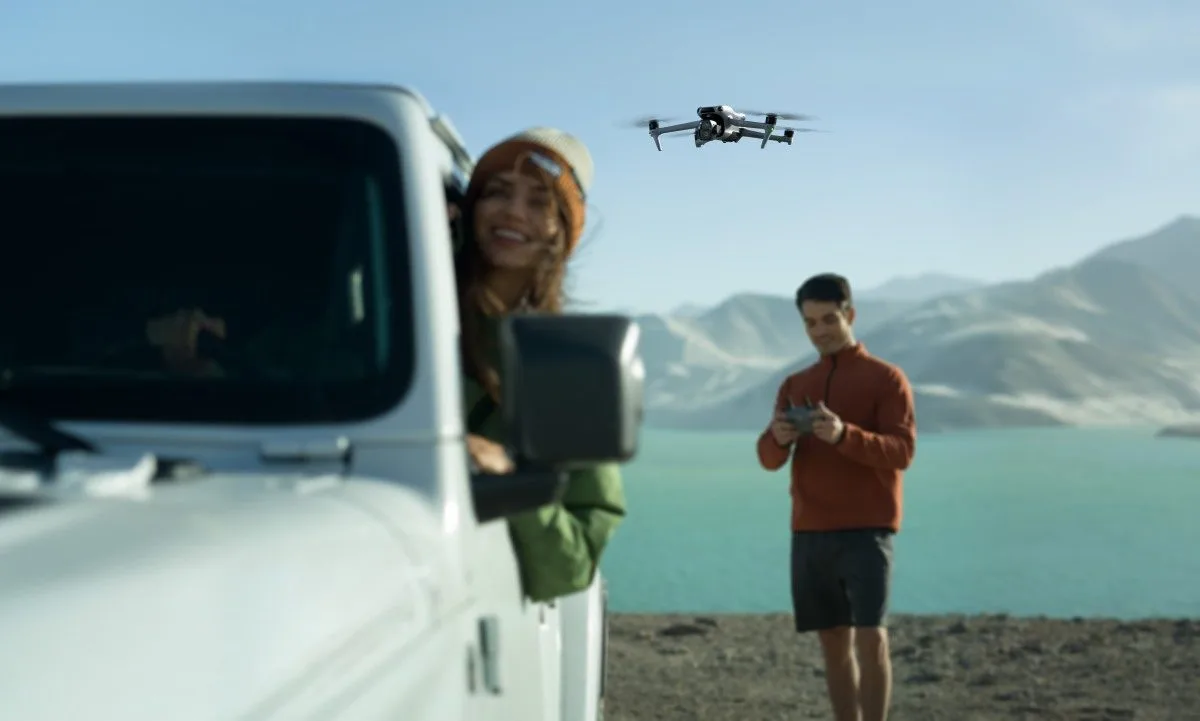
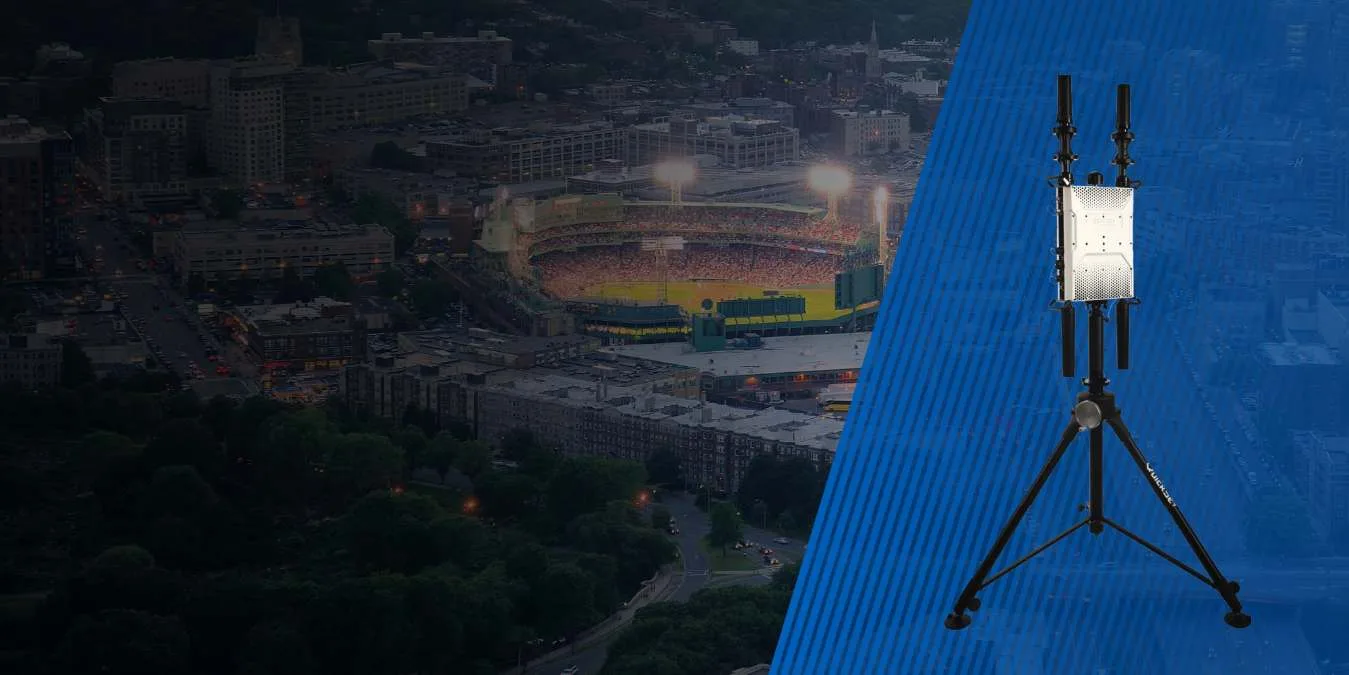
The short answer is that drones got cheap and capable faster than regulations could keep up. Consumer quadcopters that cost $500 can now fly autonomously, avoid obstacles, and stream HD video. That's great for photographers. It's a nightmare for prisons, airports, stadiums, and military installations.
From my time in hardware, I've seen enough spec sheets to know when a technology crosses the threshold from "interesting" to "deployable." Commercial drones crossed that line around 2022. The counter-drone market is now playing catch-up.
The numbers tell the story. According to DroneDJ, Motorola is paying $1.5 billion for D-Fend, a company that specializes in RF-based drone detection and takeover systems. That's a significant premium for a company in what was, until recently, a niche defense market.
What does D-Fend actually do?
D-Fend's flagship product, EnforceAir, detects drones by identifying their radio frequency signatures, then takes control of them by spoofing the communication link between drone and operator. The system can force a drone to land or return to its takeoff point without jamming (which is illegal in most jurisdictions and can interfere with other communications).
À lire aussi
More in Drones
A pair of arXiv preprints tackle the same hard problem in drone control from very different angles. The results are promising, but the gap between 'outdoor experiment' and 'deployed system' remains large.
Aisha Patel · 25 Jun · 9 min
The Air 3S discount is real, but the urgency behind it has less to do with Amazon's sale and more to do with where DJI hardware might be headed.
Mark Kowalski · 23 Jun · 6 min
Procurement is the easy headline. Actually building enough drones, fast enough, with American parts, is the problem nobody's solved yet.
Mark Kowalski · 20 Jun · 7 min
The FCC just removed a narrow category of toy drones from its Covered List. It's a small move, but it tells you something about where the regulatory wind is blowing.