Crédit photo: Image via source article. Used under fair use for news commentary. · source
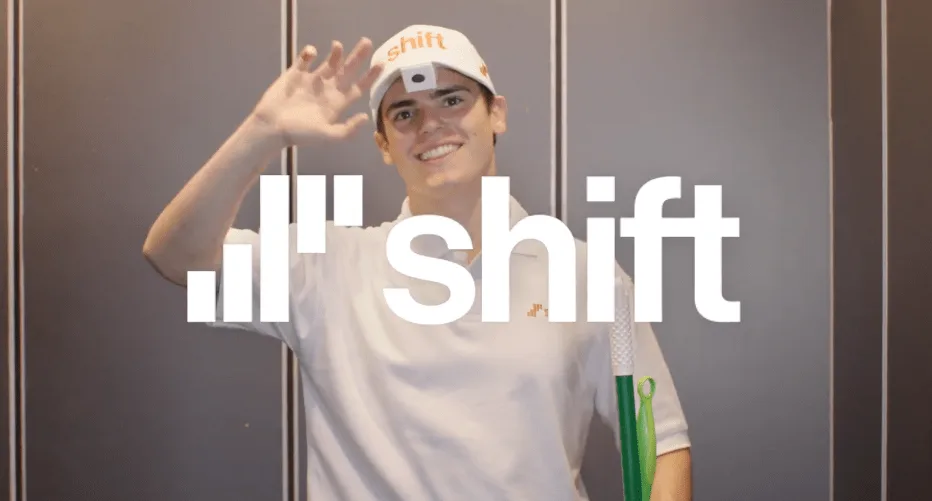
A startup called Shift announced this week that it will clean your New York apartment for free. No strings attached, they say. Except for the cameras. And the data collection. And the fact that every swipe of a sponge gets fed into AI training pipelines so robots can eventually replace the very humans doing the cleaning.
I've seen this movie before.
The pitch is simple, almost too simple. Shift says the training data it collects from filming professional cleaners at work is valuable enough to cover the cost of the service entirely. "You get a spotless apartment. We get training data. Everyone wins." That's the company line, and look, I'll give them credit for honesty, most startups bury the data grab in paragraph 47 of their terms of service. But let's not pretend this is some kind of revolutionary bargain. This is surveillance capitalism with a mop.
The Verge covered the announcement and noted that promotional materials show cleaners wearing crisp white uniforms and, I'm not making this up, awkward-looking hats presumably designed to hold cameras or sensors. The company hasn't disclosed exactly what hardware the cleaners wear or how the footage gets processed, which, call me old-fashioned, seems like something you'd want to know before inviting strangers with recording equipment into your home.
The timing here is not accidental. We're in the middle of what I can only describe as a training data panic across the robotics industry. Everyone and their venture-backed cousin is trying to figure out how to teach robots to do physical tasks, and it turns out that's really, really hard. Harder than chatbots. Harder than image generation. Because robots don't just need to know what a dirty dish looks like, they need to understand how to pick it up without shattering it, how to navigate around your cat, how to adapt when the sponge falls behind the refrigerator.
À lire aussi
More in Consumer
Those cheap OBD2 boxes promising 20-35% fuel savings aren't just useless, they can actively damage your car's electronics. A look at why the hardware doesn't work.
James Chen · 24 Jun · 6 min
Not every Prime Day badge means a real deal. We looked at the price histories so you don't have to.
James Chen · 24 Jun · 4 min
Consumer ice makers are getting stress-tested in real kitchens, and the durability numbers are more interesting than the marketing suggests.
James Chen · 23 Jun · 3 min
Robot vacuums are everywhere this Prime Day, but not every deal is what it looks like. A quick guide to separating the real discounts from the noise.
The data problem is brutal. Unlike language models, which can be trained on the entire internet's worth of text, or image generators, which can scrape billions of photos, robotics AI needs video of humans actually doing physical tasks in real environments. Simulation only gets you so far. You can train a robot in a virtual kitchen for a million hours and it'll still fumble the moment it encounters a sink that's shaped slightly different than the ones in its training set. The industry calls this the sim-to-real gap, and closing it requires massive amounts of real-world footage.
So companies are getting creative. Some are paying people to record themselves doing chores, which is expensive and slow. Some are partnering with cleaning services to outfit workers with cameras, which raises obvious labor concerns. And now Shift is cutting out the middleman entirely, offering free labor in exchange for the footage itself. It's clever! It's also the kind of thing that makes me wonder what happens to this data in five years, or ten, or when Shift gets acquired by someone bigger with looser ethics.
Let me be clear about what we don't know yet. Shift hasn't disclosed how long it retains footage, who can access it, whether homeowners can request deletion, or what happens if the cameras capture something you'd rather keep private. We don't know if cleaners are employees or contractors, what they're paid (if anything beyond the standard cleaning wage), or whether they've consented to being filmed in the same way customers have. The Verge's follow-up coverage noted that the company has plans to expand to London and other cities, but details on the actual AI training pipeline remain unclear.
This is based on limited public information, and I only found two sources covering this in any depth. If Shift wants to argue I've got it wrong, my email's on the about page.
Here's the thing that bothers me most. This is the self-driving car hype cycle all over again. Remember when Uber and Lyft were subsidizing rides at unsustainable rates to build market share and collect driving data? Remember when everyone said autonomous vehicles were five years away, then five years away again, then maybe never? The robotics industry is in that same manic phase right now, burning cash to accumulate training data for robots that might work someday, might not, and definitely won't be cleaning anyone's apartment for free once the data collection phase ends.
The young founders running these companies, and I say this with affection, haven't lived through enough tech cycles to recognize the pattern. The free service is never free forever. The data you give up today gets used in ways you didn't anticipate tomorrow. And the robots that eventually get trained on your footage will be sold back to you at a premium, probably with a subscription fee attached.
So should you take Shift up on their offer? I genuinely don't know. If you're a New Yorker with a dirty apartment and no particular attachment to privacy, sure, why not. Free cleaning is free cleaning. But if you're the type of person who closes the laptop camera when you're not using it, maybe think twice about inviting a camera-wearing stranger to film every corner of your living space.
The company's pitch assumes everyone wins, but that's only true if you believe the trade is fair. You get one clean apartment. They get footage they can use to train AI systems for years, potentially decades, footage that might help them build robots worth billions. That's not a trade between equals. That's you selling something valuable for pennies on the dollar because you don't realize what it's worth yet.
I want to be wrong about this. I really do! There's a version of this story where Shift is totally above board, where the data gets used responsibly, where the robots they train actually make domestic labor easier and cheaper for everyone. But I've been covering tech since the 90s, and the companies that are transparent about data collection from day one are the exception, not the rule. Most of them figure out the ethics later, if ever.
Robotics is entering its adolescent phase, that awkward period where the technology is just good enough to attract serious money but not good enough to deliver on the promises being made. The training data land grab happening right now, with Shift and others, is going to shape what kind of robots we get and who controls them. Whether that's a good thing depends entirely on choices being made right now, mostly by people who aren't asking for your input.
Free cleaning sounds great. Just know what you're paying for it.