Gemini in Android Auto is actually good, and I'm as surprised as you are
After years of voice assistants that made me want to throw my phone out the window, Google's AI might finally be cracking the in-car experience.
By
·30 May 2026·5 min de lecture
Is this the year voice control in cars stops being terrible?
I've been asking that question since about 2014, when Apple CarPlay and Android Auto first showed up promising to make our dashboards smarter. A decade later, most of us still jab at touchscreens at red lights because talking to Siri or Google Assistant feels like arguing with a particularly stubborn toddler. "Play my playlist." "I found five playlists, which one do you want?" "The one I always play!" "Here's a podcast about playlists."
You know the drill.
But something's shifted with Gemini in Android Auto, and I've been using it long enough now (about two months, give or take) to say this isn't just hype. It's genuinely different. Call me old-fashioned, but I don't hand out compliments to voice assistants lightly. I've seen too many "revolutionary" in-car AI systems turn out to be glorified voice-to-text with a fancy name.
The core change is that Gemini can handle context and follow-up questions in a way that previous assistants simply couldn't. You can say "find me a coffee shop" and then follow up with "no, something closer" or "what about one with good reviews" without starting over from scratch. This sounds basic, I know! But if you've spent any time with traditional voice assistants, you understand why this matters. The old systems treated every utterance like a fresh conversation with a stranger who has amnesia.
Gemini actually remembers what you were talking about thirty seconds ago. Revolutionary? No. Long overdue? Absolutely.
À lire aussi
More in Autonomy
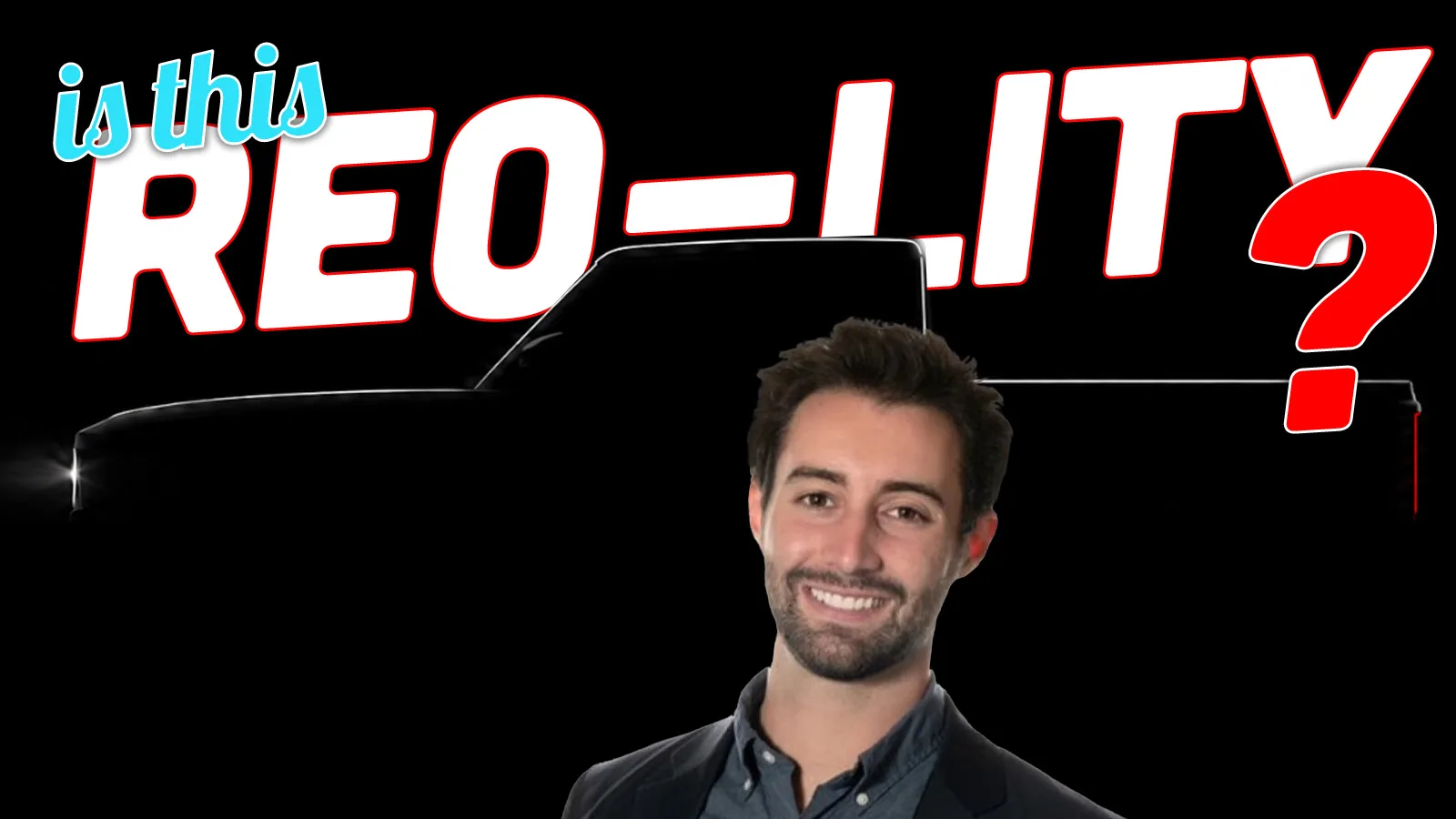
A startup called REO says it will sell a pickup truck for $21,500. The price is striking. The evidence for it is less so.
Aisha Patel · 24 Jun · 9 min
Researchers are patching the 'trajectory scoring gap' in sidewalk robots with VLMs and human attention modeling. The ideas are clever. The caveats are real.
Mark Kowalski · 20 Jun · 6 min
Two new papers tackle one of robotics' most stubborn problems: getting a robot to figure out its location using LiDAR, without needing to have visited the place before.
Sarah Williams · 19 Jun · 5 min
The defense tech startup is moving from drones to full autonomous fighters, and it raises questions about where the line between AI autonomy and human oversight actually sits.
The other thing, and this is where it gets interesting for the robotics and autonomy crowd, is that Gemini handles ambiguity better. Ask it something vague like "what's that building" (not useful while driving, but bear with me) or "remind me about that thing" and it takes a reasonable guess rather than demanding you reformulate your query in database-query syntax. This is the kind of natural language processing we've been promised since, oh, about 2011 when Siri first showed up. It's taken this long to actually work.
Now, I should be clear about the limitations here. I've only tested this in my own car (a 2021 Subaru, nothing fancy) with my own driving patterns (suburban New Jersey, mostly, with occasional trips into the city). Your mileage, literally, may vary. And Google hasn't released detailed specs on how Gemini's in-car processing differs from the standard phone experience, so I'm working from observation rather than technical documentation.
Here's what I've found actually useful:
Route adjustments on the fly: "Avoid the highway" or "find me a gas station but keep me on this general route" actually works now, the system understands intent rather than just keywords
Music and podcast control: You can describe what you want ("something upbeat" or "that podcast about economics I was listening to last week") and it makes reasonable guesses
Message handling: Dictating texts and emails is less painful, Gemini catches context better and doesn't mangle names quite as badly
General questions: Asking "how long would it take to drive to Boston" while you're already navigating somewhere else doesn't break the whole system anymore
Is this transformative? I don't know yet. It's too early to say whether this represents a genuine leap or just incremental improvement that happens to cross some usability threshold. But I can tell you that I'm actually using voice control now instead of just having it available and ignoring it.
ZDNet has been covering this pretty extensively, and their take aligns with mine, Gemini in the car is notably better than Siri, which is saying something given how long Apple has had to get this right.
The bigger question, and this is where my autonomy beat comes in, is what this means for the broader trajectory of in-vehicle AI. We've been talking about cars as "smartphones on wheels" for years now, but the voice interface has always been the weak link. If Gemini (or whatever comes next) can actually handle conversational interaction reliably, that changes the calculus for how we think about human-machine interfaces in vehicles.
I've seen this movie before, by the way. Remember when everyone said natural language processing would make traditional interfaces obsolete by 2015? Or when chatbots were going to replace customer service entirely by 2018? The pattern is always the same: genuine technical progress gets oversold, underwhelms in practice, and then quietly improves until one day you realize it actually works. We might be at that "actually works" moment for in-car voice AI.
Or we might not be! I'm hedging because I've been burned before. The demo always works better than the daily reality. Two months of testing in one car in one region is not comprehensive data. But something feels different this time, and I've learned to pay attention to that feeling even when I can't fully articulate why.
For the autonomy industry, there's a lesson here about patience and iteration. The self-driving car hype cycle of 2016-2019 promised we'd all be passengers by now. Instead, we got incremental ADAS improvements and a lot of chastened predictions. Voice AI followed a similar arc, big promises, disappointing reality, quiet improvement. The companies that stuck with it (Google, primarily, in this case) are now reaping benefits that would have seemed modest five years ago but feel significant today.
The young founders who think they're going to solve autonomy in three years should probably study this history. Progress is real, but it's slower and messier than the pitch decks suggest.
One more thing worth noting: this only works if you're in the Android ecosystem. iPhone users are stuck with Siri, which, well, but what do I know. Apple might have something cooking. They usually do. But right now, if you want the best in-car voice AI experience, you need an Android phone. That's a meaningful competitive advantage in a market where these distinctions usually don't matter much.
Will this last? Hard to say. Apple's been known to leapfrog competitors when they finally ship. And Google has a history of launching promising products and then abandoning them (pour one out for Google Reader, kids). But for now, in this moment, Gemini in Android Auto is the best voice assistant I've used in a car. That's not a high bar, I realize. But it's a bar that's been sitting there uncleared for a decade.
Progress. Slow, unglamorous, actually useful progress. I'll take it.
If you want to argue about any of this, my email's on the about page.