Crédit photo: Image via source article. Used under fair use for news commentary. · source
Why did it take YouTube this long to stop relying on the honor system for AI content disclosure?
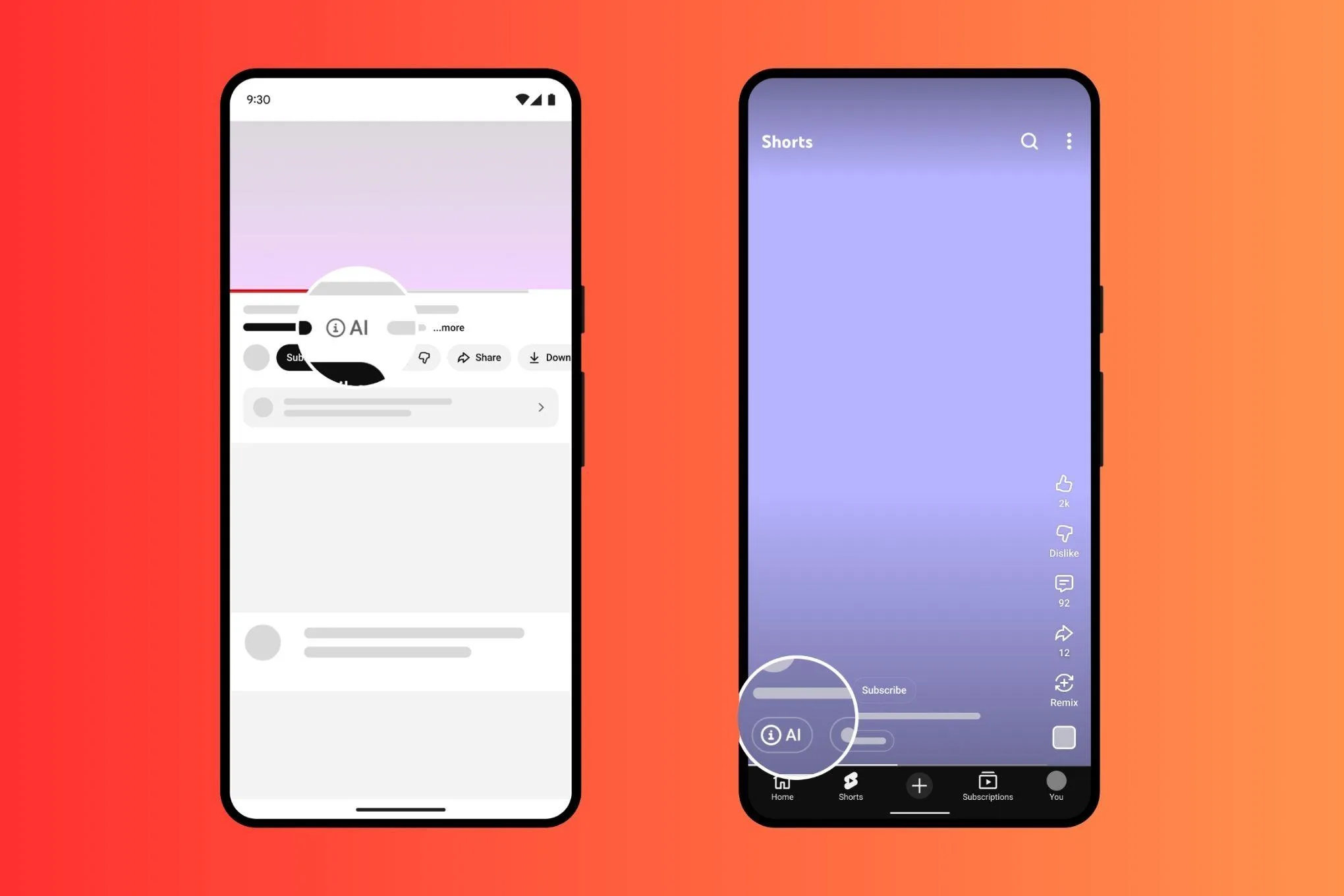
That's the question I keep coming back to after TechCrunch and The Verge reported that YouTube will now automatically detect and label videos containing "significant photorealistic AI." The platform is also moving those labels from their current hiding spot (buried in expandable descriptions) to directly below the video player, where users might actually see them.
Look, this isn't a revolutionary technical achievement. Google has had the detection capabilities for a while. The real story here is that YouTube finally admitted what anyone paying attention already knew: voluntary disclosure doesn't work when there's zero incentive to comply.
The update has two parts, and they matter in different ways.
First, the visibility fix. On long-form videos, AI labels will now appear directly below the player, above the description. On Shorts, the label shows up in a similarly prominent position. The label itself now explicitly says "AI" next to an information symbol, rather than the vague language YouTube was using before.
Second, and more significant, is the automatic detection. YouTube will now identify AI-generated photorealistic content without waiting for creators to self-report. The exact technical approach remains unclear (YouTube hasn't published details on their detection methodology), but given Google's broader AI verification push announced at I/O, it's likely leveraging some combination of watermark detection and content analysis.
À lire aussi
More in AI Models
Chipmakers swung wildly this week, from a Tuesday 'chip-wreck' to a Micron-led surge after hours. What's actually going on with AI's hardware backbone?
Sarah Williams · 26 Jun · 5 min
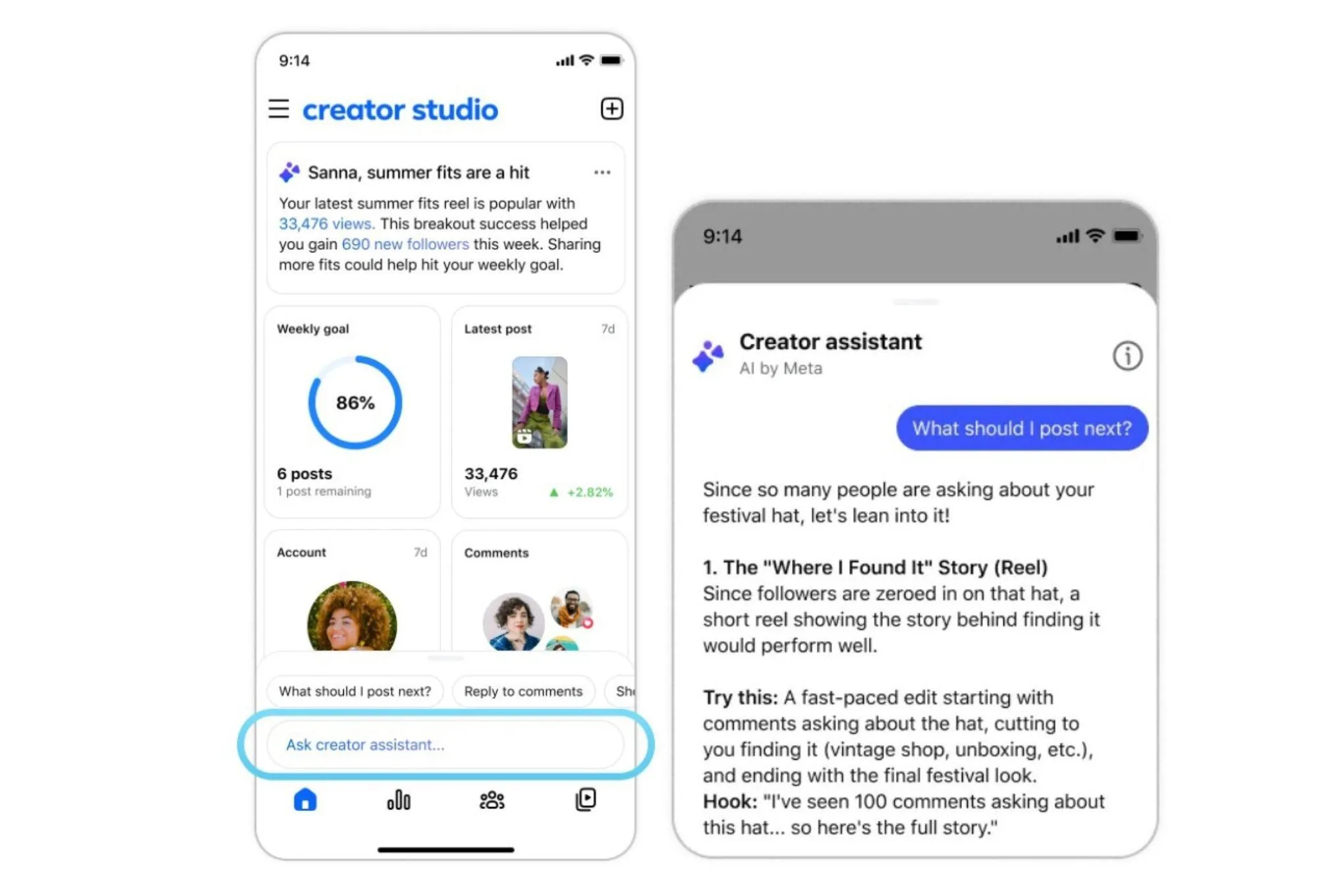
The original Creator Studio was shut down in 2023. Now it's back, rebuilt around an AI assistant that promises to grow your audience and reply to comments in your voice.
Sarah Williams · 26 Jun · 5 min
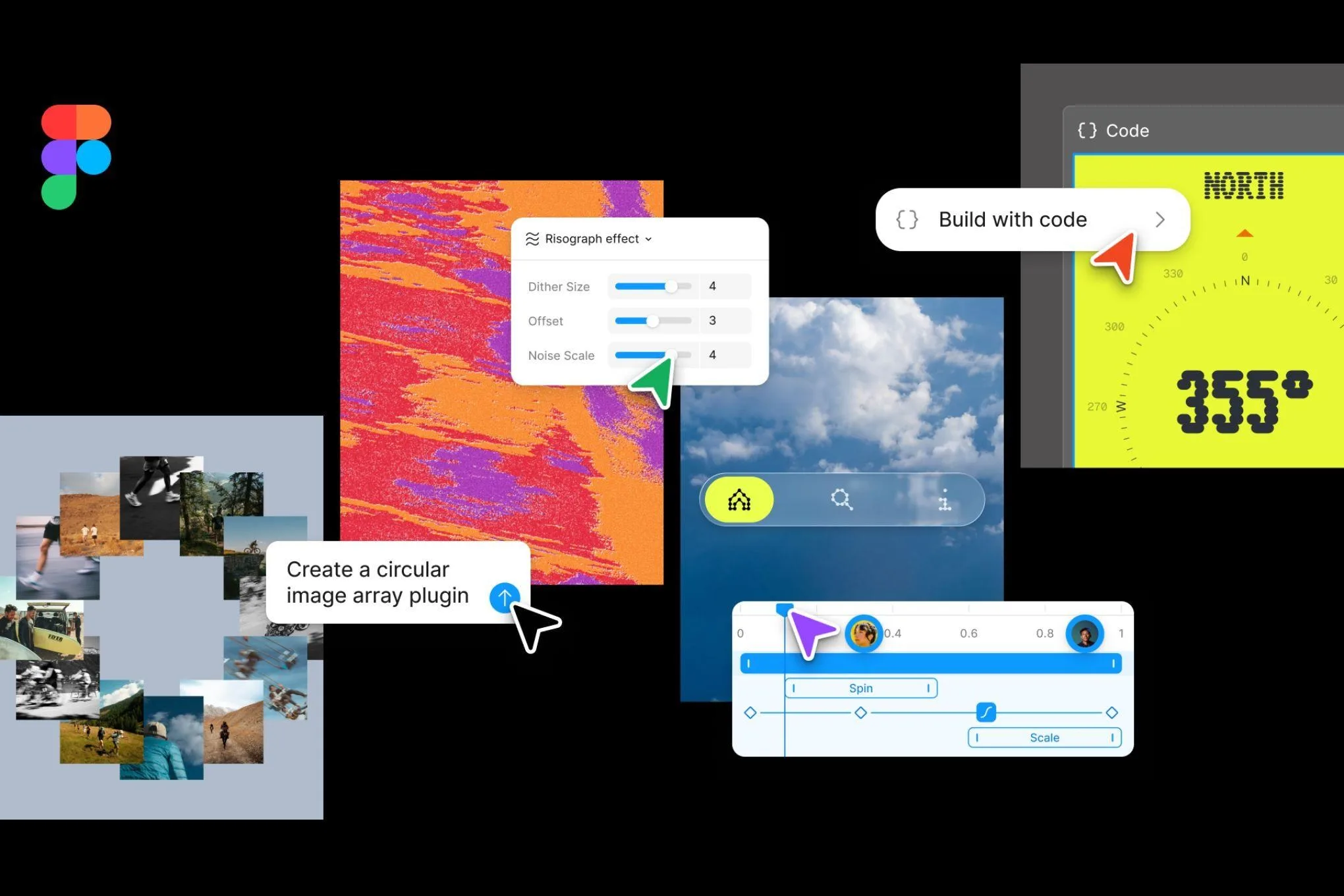
At its annual Config conference, Figma announced coding layers, AI-generated motion graphics, and a reimagined canvas that blurs the line between design and full-stack development.
Sarah Williams · 26 Jun · 5 min
Everyone talks about chips and models. The memory bottleneck is the part of the AI buildout that keeps getting underestimated, and Micron's latest earnings make that case hard to ignore.
The specifics of what triggers a label are worth noting: YouTube is targeting "significant photorealistic AI." That's a narrower scope than "any AI involvement." A video with AI-generated background music or AI-assisted editing probably won't get flagged. A deepfake of a public figure, in theory, should.
From my time in hardware, I learned that systems designed around expected compliance rarely survive contact with actual human behavior. You build redundancy because components fail. You add sensors because operators make mistakes. You don't ship a safety-critical system that depends on everyone doing the right thing.
YouTube's original approach to AI labeling had the same fundamental flaw. Creators were asked to disclose when their content was AI-generated. The penalty for not disclosing was, well, basically nothing enforceable at scale. The incentive to disclose was negative (viewers might trust your content less). The result was predictable.
I haven't seen YouTube publish compliance rates for their voluntary disclosure system, and that absence tells you something. If the numbers were good, we'd have heard about them.
The platform's shift to automatic detection is an acknowledgment that the honor system produced inadequate results. That's an ambitious number to expect from a creator base of millions, many of whom are competing for attention in an environment where authenticity (or the appearance of it) drives engagement.
Here's where I have to hedge: we don't actually know how well YouTube's automatic detection works. The announcement doesn't include accuracy figures, false positive rates, or details on what happens when the system gets it wrong.
This matters because AI detection is, in a way, an arms race. Detection systems improve. Generation systems improve in response. The photorealistic AI that YouTube can reliably identify today may not be the photorealistic AI that's common in 18 months.
There's also the edge case problem. What about a video that's 95% human-filmed but includes a 30-second AI-generated segment? What about AI upscaling of old footage? What about virtual backgrounds that use generative fill? YouTube says "significant" photorealistic AI, but significance is a judgment call, and automated systems aren't great at judgment calls.
It's too early to say whether YouTube's detection will be robust enough to matter. The real test is production volume, millions of videos uploaded daily, with adversarial creators actively trying to evade detection.
For those of us covering robotics, this shift has implications worth tracking.
Demo videos are an obvious concern. I've seen enough spec sheets to know that what companies show in promotional content doesn't always match shipping hardware. AI-generated or AI-enhanced demo footage could make this worse. Automatic labeling, if it works, provides at least some signal about what's synthetic.
Training data is another angle. Robotics companies increasingly use video data for training embodied AI systems. If YouTube's labeling becomes reliable, it could help researchers filter their training sets. Or it could create new problems if the labels are inconsistent.
And then there's the broader question of trust. Robotics is already fighting perception problems around what's real versus what's CGI, what's autonomous versus what's teleoperated, what's a working product versus what's a concept render. Platform-level AI labeling doesn't solve these problems, but it's a data point.
YouTube's announcement came shortly after Google's I/O presentation, where the company expanded its AI verification efforts across multiple products. This suggests coordinated infrastructure investment rather than a one-off policy change.
It also comes as regulatory pressure on AI transparency is building. The EU AI Act has disclosure requirements. Various US state-level proposals are circulating. Platforms that get ahead of regulation tend to have more influence over how that regulation takes shape.
I don't think YouTube made this change because they suddenly care more about user trust. I think they made it because the alternative, being forced into a specific compliance framework by regulators, was worse.
YouTube moving from voluntary to automatic AI labeling is the right call, even if the execution details remain unclear. The visibility improvements are overdue. The detection system is, at minimum, better than nothing.
But let's not overstate what this accomplishes. Labels don't prevent AI-generated misinformation. They don't help users who don't notice or don't care about the labels. They don't address the deeper question of whether photorealistic AI content should exist on the platform at all.
What they do is shift the burden of disclosure from creators (who have incentives to hide AI use) to the platform (which has incentives to appear trustworthy). That's a structural improvement, even if the practical impact remains to be seen.
The real test comes when someone uploads a convincing deepfake of a public figure and YouTube's system either catches it or doesn't. That's when we'll know if this is a meaningful change or just, well, a better-positioned label on the same problem.