SpaceX's IPO Is Here, and Analysts Are Already Arguing About What It's Worth
With a $165 price target from New Street Research and revenue expected to triple in two years, SpaceX's debut raises real questions about how you value a company this strange.
Crédit photo: Image via Bloomberg — Technology. Used under fair use for news commentary. · source
SpaceX is finally trading publicly, and the analysts are not exactly aligned on what to make of it.
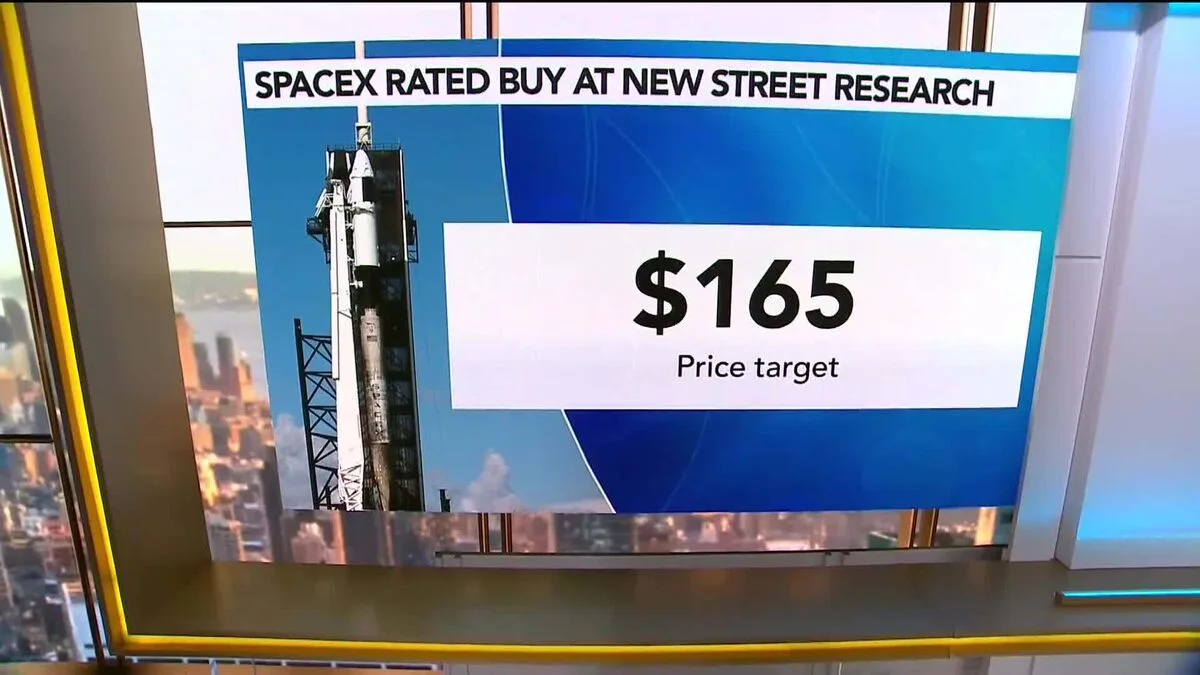
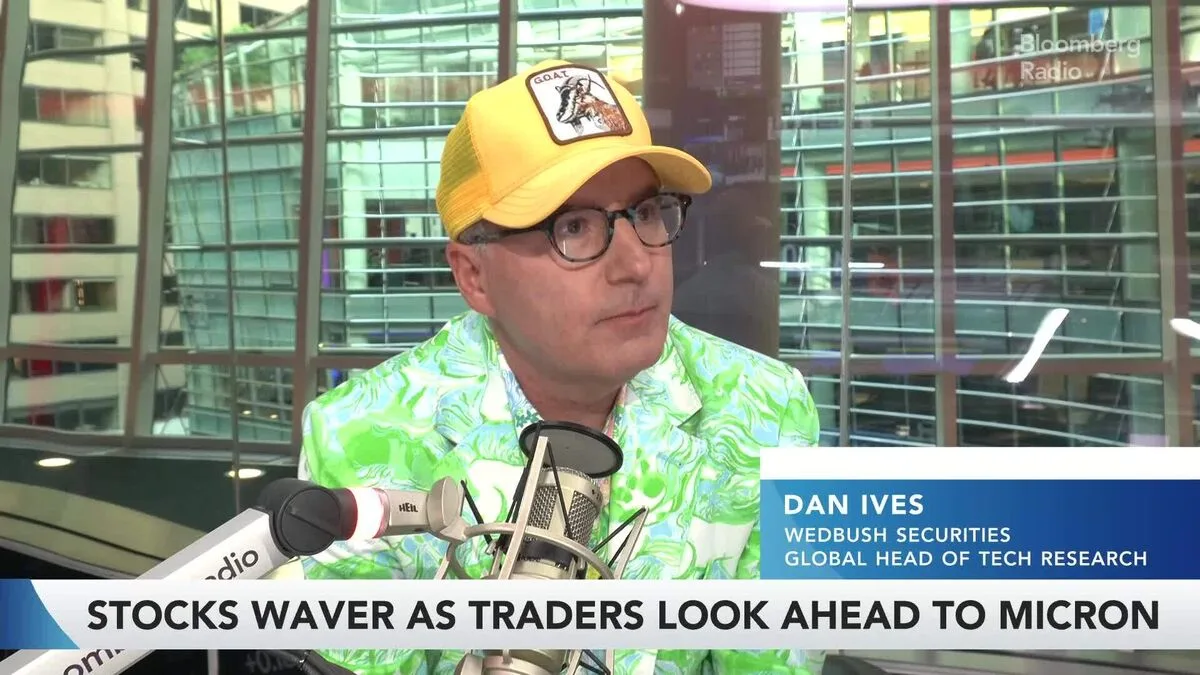
Pierre Ferragu, managing director at New Street Research, has put a $165 price target on the stock, calling out what he describes as a "Musk premium" baked into the valuation. Meanwhile, Matt Kennedy, Senior IPO Market Strategist at Renaissance Capital, told Bloomberg Surveillance that SpaceX should more than triple its revenue within the next two years. Those are two very different framings of the same company, and honestly, I think both of them are onto something real.
Let me explain why this is weirder than a typical IPO story.
Most companies go public and analysts argue about multiples, growth rates, competitive moats. Standard stuff. SpaceX is doing that too, but there's this extra layer that Ferragu flagged: the founder discount (or premium, depending on your view) that comes with Elon Musk being so central to the company's identity and direction.
I initially thought the "Musk premium" framing was just analyst shorthand for "we don't really know how to price this." But after reading more carefully, it seems like Ferragu is making a more specific point: that some portion of SpaceX's current valuation reflects market belief in Musk's personal ability to execute on ambitious, long-horizon bets. Starship. Starlink scaling. Mars, eventually. None of that is priced on conventional DCF math.
À lire aussi
More in AI Models
Chipmakers swung wildly this week, from a Tuesday 'chip-wreck' to a Micron-led surge after hours. What's actually going on with AI's hardware backbone?
Sarah Williams · 26 Jun · 5 min
The original Creator Studio was shut down in 2023. Now it's back, rebuilt around an AI assistant that promises to grow your audience and reply to comments in your voice.
Sarah Williams · 26 Jun · 5 min
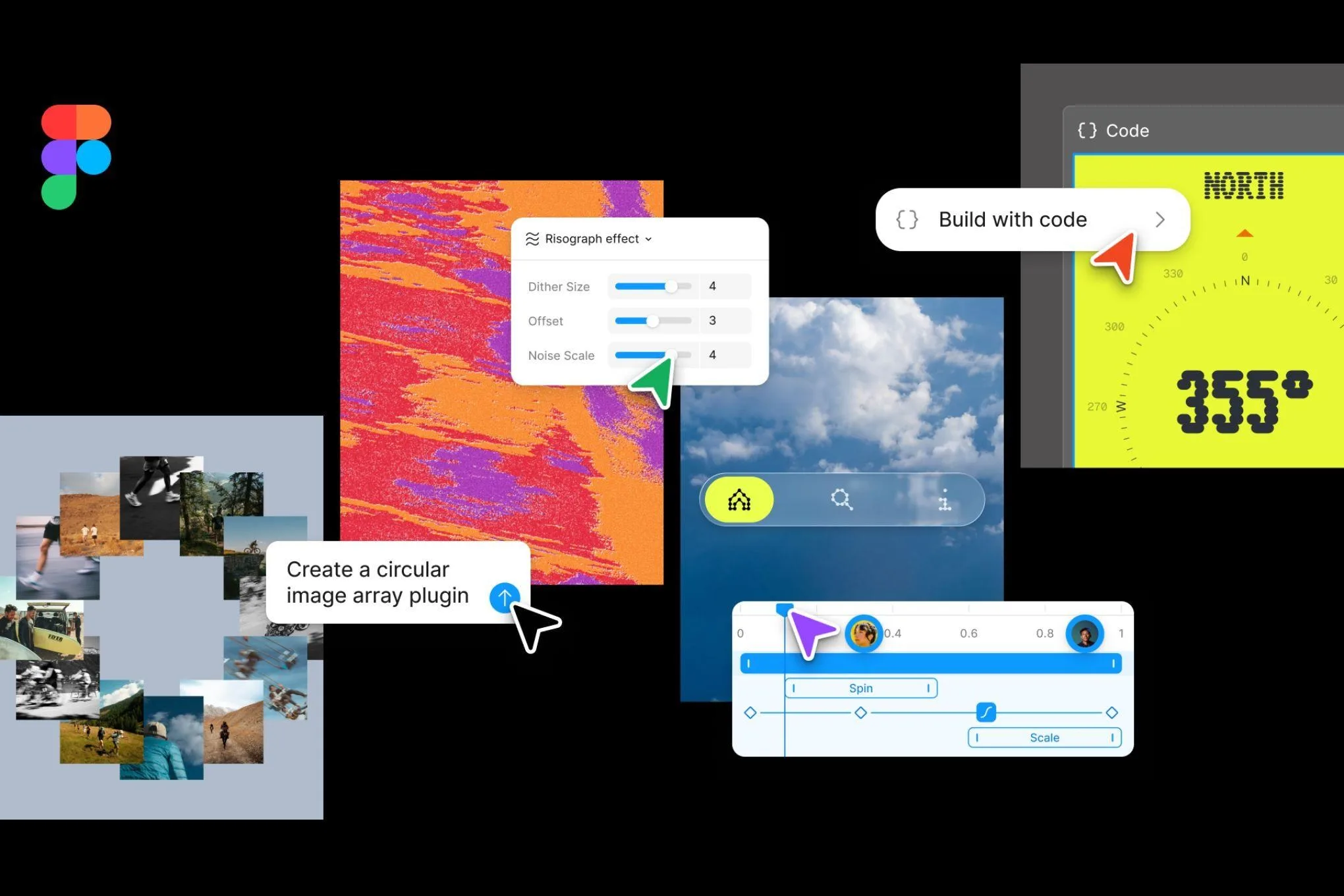
At its annual Config conference, Figma announced coding layers, AI-generated motion graphics, and a reimagined canvas that blurs the line between design and full-stack development.
Sarah Williams · 26 Jun · 5 min
Everyone talks about chips and models. The memory bottleneck is the part of the AI buildout that keeps getting underestimated, and Micron's latest earnings make that case hard to ignore.
That's not inherently wrong as an investment thesis. It's just genuinely hard to stress-test. What happens to the stock if Musk's attention shifts? What happens if his other companies, Tesla, X, xAI, hit serious turbulence? These aren't hypotheticals anymore, tbh. They're live questions.
Feragu's $165 target suggests he thinks the premium is justified, or at least not wildly out of line. But it's worth noting that a price target and a conviction buy are different things, and the Bloomberg interview doesn't fully clarify which this is. That distinction remains unclear from what's been published so far.
The revenue tripling claim deserves its own scrutiny
Kennedy's projection, that SpaceX should more than triple revenue in the next two years, is striking. You might be wondering what's actually driving that number, and honestly, so am I. The most obvious answer is Starlink.
Starlink has been growing fast. The satellite internet business has gone from a side project to what looks like SpaceX's most reliable near-term revenue engine. Kennedy's projection presumably leans heavily on continued Starlink subscriber growth, potential enterprise and government contracts, and maybe some assumptions about launch cadence scaling.
Here's what we know, or what seems reasonably established:
SpaceX's Starlink service has reportedly crossed into profitability, though the company hasn't disclosed detailed financials publicly
Launch volume has been increasing, with Falcon 9 setting records for reuse and turnaround time
Government contracts, including from NASA and the Department of Defense, represent a significant and relatively stable revenue base
Starship, if it reaches commercial operational status, could dramatically change the economics of large payload delivery
And here's what we don't know:
Exact current revenue figures (SpaceX is private until now, and even post-IPO disclosures will take time to catch up)
How much of Kennedy's tripling projection depends on Starship timelines that have historically slipped
What competitive pressure from Amazon's Kuiper constellation actually looks like at scale
Whether the "Musk premium" compresses or expands as the company matures as a public entity
This is based on limited public data. SpaceX has been famously tight-lipped about financials, and the IPO prospectus will tell us more, but analysts are still working with incomplete information.
Why this matters beyond the stock price
I cover humanoids and embodied AI, not space tech, so you might reasonably ask why I'm writing about a SpaceX IPO. Fair question.
The answer is that Musk's constellation of companies, and the capital flows between them, increasingly shapes the broader landscape of robotics and AI development. Tesla's Optimus program sits inside a company whose stock performance is entangled with Musk's reputation. xAI is raising enormous rounds. SpaceX going public creates a new public market signal about how investors value Musk-adjacent moonshots, and that signal will ripple.
If SpaceX trades well, it probably makes it easier to argue that long-horizon, capital-intensive bets on transformative technology are fundable at scale. If it struggles, that argument gets harder. For anyone building or funding serious robotics programs, that context matters.
I should be honest that I'm speculating a bit here. The direct causal chain between SpaceX's IPO performance and, say, humanoid robot funding rounds is not something I can draw cleanly. But the indirect effect on investor appetite for ambitious tech bets feels real.
The deeper question no one can quite answer yet
Here's what I keep coming back to. SpaceX is, in some ways, the most successful argument that a single founder's vision can sustain a company through timelines that would kill most startups. The gap between SpaceX's first Falcon 1 launch in 2006 and where the company is now is enormous, and it required surviving years of near-bankruptcy, technical failure, and skepticism from the aerospace establishment.
That history is part of what Ferragu's "Musk premium" is pricing in. The bet isn't just on the rockets. It's on a particular theory of how transformative companies get built.
Kennedy's revenue tripling projection is more grounded, more near-term, more tied to Starlink's actual trajectory. Both views can be right simultaneously. A company can be fairly valued on near-term fundamentals and also carry a speculative premium on longer-horizon optionality.
What it can't do, probably, is carry both indefinitely if the longer-horizon bets start looking less credible. It's too early to say whether Starship's commercial timeline is on track enough to justify the optionality priced in. That's the number to watch.
For now, SpaceX is trading. Analysts are arguing. And the rest of us are trying to figure out what a company this unusual is actually worth.