Crédit photo: Image via Source article. Used under fair use for news commentary. · source
Ray Dalio is probably right that AI is in a bubble. He is also probably right that the bubble will burst. What I find more interesting, and what the headlines mostly miss, is his framing of why this happens and what it actually means for the technology itself.
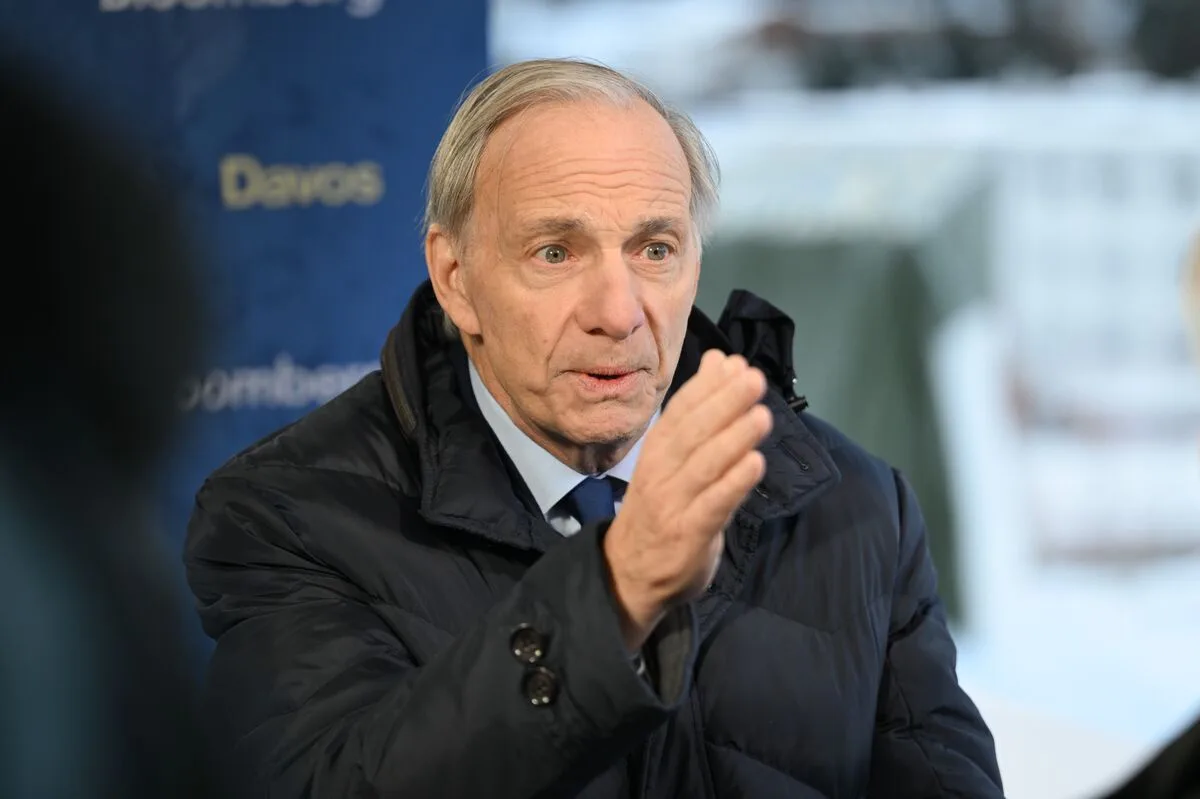
The Bridgewater founder told Bloomberg this week that "all great technology changes produce bubbles" and that the current AI market shows the characteristic signs. This is not, to be precise, a prediction that AI is overhyped or that the technology will fail. It is a much more specific claim about how capital markets process transformative technologies. And it is a claim worth examining carefully, because the distinction matters enormously for anyone trying to understand where robotics and AI research actually stands.
Dalio's core argument, as I understand it from his Bloomberg interview, centers on what happens when paper wealth gets converted into actual money. This is a liquidity problem as much as a valuation problem. When everyone who holds AI-adjacent assets tries to realize their gains simultaneously, the market cannot absorb that selling pressure. Prices collapse not because the underlying technology stopped working, but because too many people need to exit at once.
This framing is genuinely useful, and I think it gets lost in the coverage. The question is not whether AI companies are overvalued in some abstract sense. The question is whether the current ownership structure of AI assets is sustainable when holders start wanting actual dollars instead of equity positions.
À lire aussi
More in AI Models
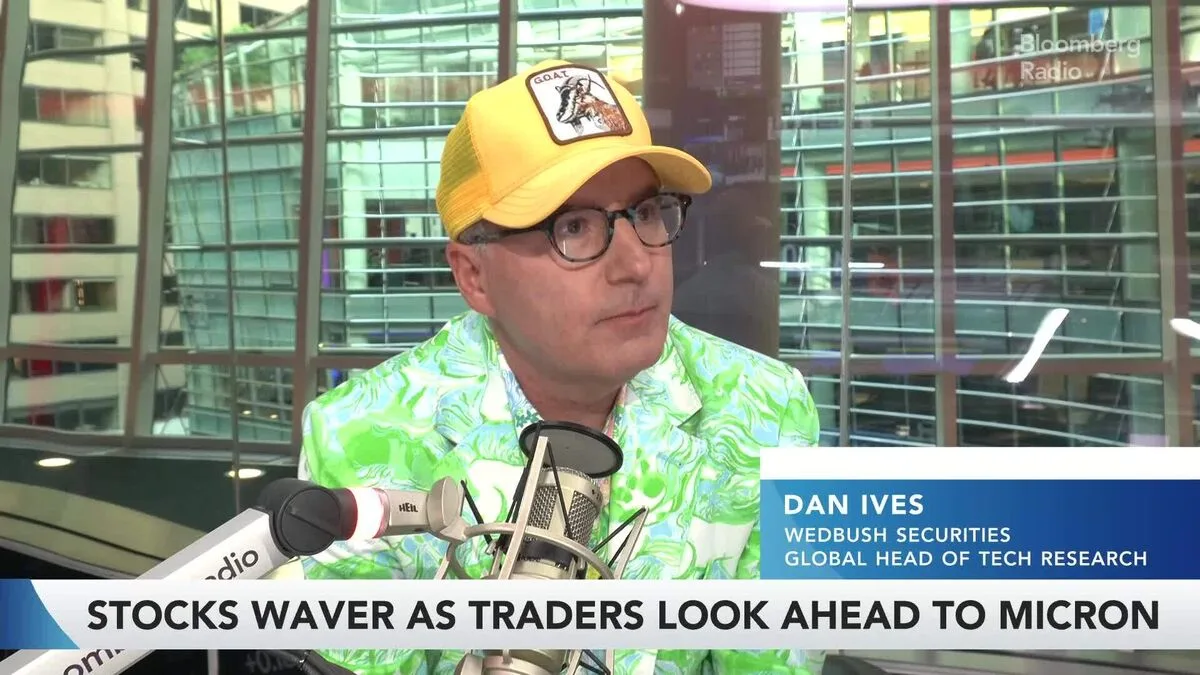
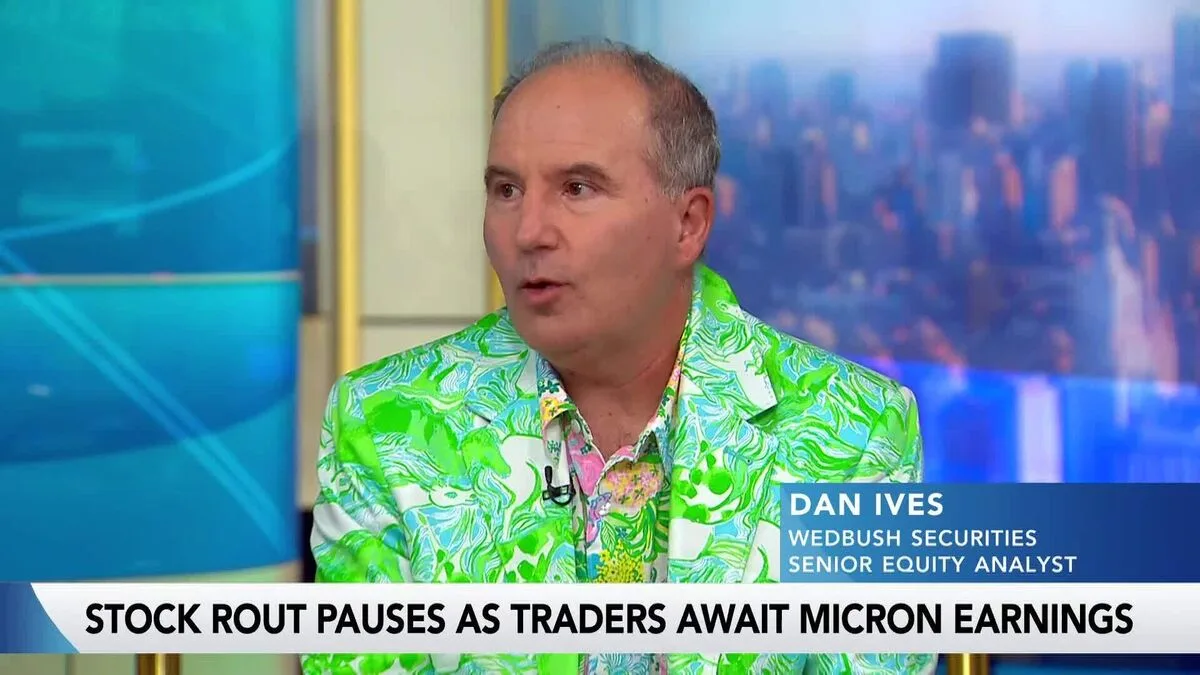
Chipmakers swung wildly this week, from a Tuesday 'chip-wreck' to a Micron-led surge after hours. What's actually going on with AI's hardware backbone?
Sarah Williams · 26 Jun · 5 min
The original Creator Studio was shut down in 2023. Now it's back, rebuilt around an AI assistant that promises to grow your audience and reply to comments in your voice.
Sarah Williams · 26 Jun · 5 min
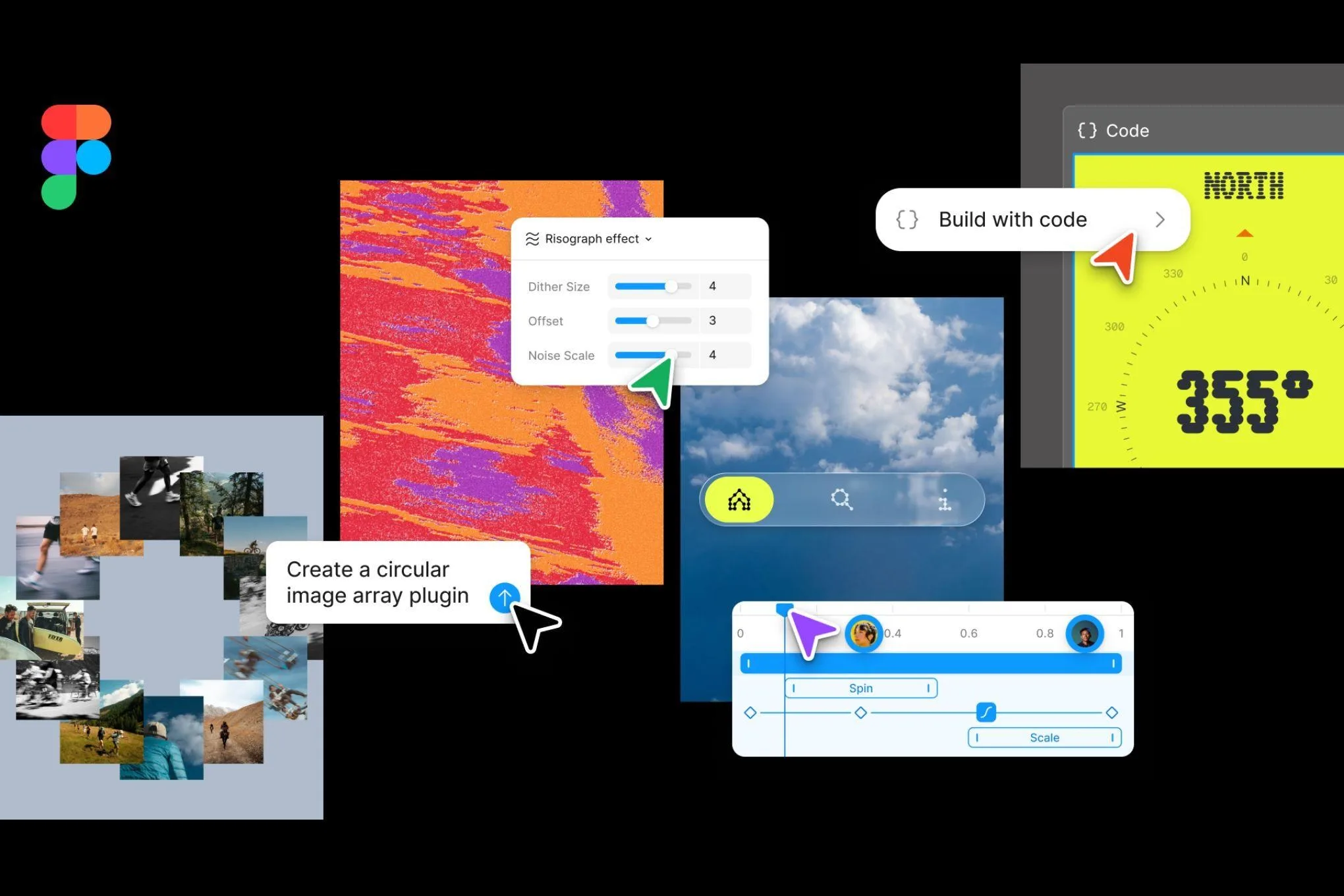
At its annual Config conference, Figma announced coding layers, AI-generated motion graphics, and a reimagined canvas that blurs the line between design and full-stack development.
Sarah Williams · 26 Jun · 5 min
Everyone talks about chips and models. The memory bottleneck is the part of the AI buildout that keeps getting underestimated, and Micron's latest earnings make that case hard to ignore.
I should note that Dalio did not provide specific metrics or thresholds in the available coverage. We do not know what he considers the trigger point, or how he is measuring the bubble's size relative to historical examples. This is a limitation of working from interview snippets rather than a detailed research note.
Here is where I want to be careful, because bubble talk often gets conflated with technology criticism in unhelpful ways.
The dot-com bubble bursting did not mean the internet was fake. It meant that capital allocation to internet companies had exceeded what near-term revenues could justify. The technology continued developing. Many of the ideas that seemed absurd in 1999 became entirely viable by 2010. The bubble was real; the technology was also real. Both things were true simultaneously.
Applying this to AI and robotics:
The current wave of foundation models represents genuine technical progress. Papers like RT-2 from DeepMind and various manipulation learning work from Berkeley, Stanford, and CMU demonstrate capabilities that were not possible five years ago. This is not hype.
The valuations attached to companies building on these capabilities may not be justified by near-term revenue potential. This is also probably true.
A market correction would hurt funding for research, slow deployment timelines, and cause real damage to the field. This is the part that concerns me.
The underlying technical trajectory would likely continue, just with less capital and fewer researchers. History suggests this pattern.
I know I am being picky here, but the precision matters. When Dalio says AI shows "signs of a bubble," he is making a claim about market structure and capital flows. He is not, as far as I can tell, making a claim about whether transformer architectures work or whether robots will eventually be useful in manufacturing. These are separate questions that require separate analysis.
Robotics companies face a particular version of this problem that I think deserves attention.
Unlike pure software AI, robotics requires physical deployment. You cannot scale a robot fleet the way you can scale a language model API. This means robotics companies have longer paths to revenue, higher capital requirements, and more operational complexity. In a bubble environment, this creates a dangerous dynamic: robotics startups raise at AI-adjacent valuations but cannot grow at AI-adjacent rates.
We have already seen some evidence of this. Several humanoid robotics companies have raised at valuations that assume massive deployment within years, not decades. The sample size is small and I have not done a systematic analysis, but the pattern is concerning. If Dalio is right about a correction coming, these companies would be particularly exposed.
The counterargument, which I find partially persuasive, is that robotics has always been capital-intensive and the field has survived previous hype cycles. The difference now is the scale of capital involved and the integration with the broader AI narrative. A correction in AI markets would likely drag robotics down regardless of whether robotics-specific valuations were justified.
Dalio's interview was brief and the coverage I have found does not include detailed argumentation. Several questions remain unclear:
What is his timeline? Bubbles can persist for years. The dot-com bubble arguably started in 1995 and did not burst until 2000. Is he suggesting months, years, or something else entirely?
What would he consider evidence that the bubble has burst versus a healthy correction? A 20% drawdown in AI stocks is very different from a 80% collapse in the sector.
How does he think about the infrastructure layer versus the application layer? Companies building chips and data centers have different economics than companies building chatbots. Does he see the bubble as uniform or concentrated?
What is his view on the research funding implications? Dalio has historically been interested in macroeconomic effects. A bubble bursting in AI would have significant implications for university research funding, government AI initiatives, and the broader talent market.
I suspect Dalio has more detailed views on these questions than the Bloomberg interview captured. It is worth noting that "all great technology changes produce bubbles" is a framework, not a prediction. The framework is historically accurate. The timing and magnitude of any specific bubble burst is, well, notoriously difficult to predict. Even for billionaire investors.
I do not know whether we are at the peak of an AI bubble, the early stages of one, or somewhere else entirely. I am skeptical of anyone who claims certainty on this question. What I do think is that Dalio's framing is more sophisticated than the headline "AI Bubble Will Burst" suggests, and that the robotics community should be thinking seriously about what a correction would mean for the field.
The research will continue regardless. The question is at what pace and with what resources. That is a question worth taking seriously, even if, actually, especially if, you believe the underlying technology is genuinely transformative.