Oracle Plans to Spend $70 Billion on Data Centers This Year. Investors Are Nervous.
Oracle's capital expenditure forecast is eye-watering, and the market's reaction suggests people aren't sure the AI infrastructure bet will pay off.
Crédit photo: Image via Bloomberg — Technology. Used under fair use for news commentary. · source
Seventy billion dollars. That's what Oracle expects to spend on net capital expenditures in the fiscal year ending May 2027. Let that sit for a second.
For context, that's not a rounding error. That's a company betting an enormous chunk of its future on the idea that AI infrastructure demand will keep climbing fast enough to justify costs that are, by most accounts, coming in higher than Wall Street expected.
The market's reaction was pretty clear. Oracle shares fell in extended trading after the quarterly results dropped, then continued sliding in premarket the following morning. When investors see capex numbers beating estimates on the wrong side, they get anxious. And honestly, I think that anxiety is worth taking seriously.
The numbers
Oracle's quarterly capital expenses came in above analyst estimates, according to Bloomberg. The company's AI business is growing, that part's real. But the concern isn't whether AI is generating revenue. It's whether the infrastructure costs required to compete in this space will eventually compress margins to a point where the growth story stops looking so clean.
The $70 billion capex forecast for the current fiscal year is the number that's getting the most attention. It signals Oracle is going all-in on data center buildout, competing directly with the hyperscalers (Amazon, Microsoft, Google) that have been doing this at scale for much longer.
I initially thought this was primarily a story about Oracle's competitive position against those giants. But after reading through the coverage more carefully, it seems like the more interesting question is about the unit economics of AI infrastructure generally. Oracle isn't alone here. Every major player is spending at levels that would have seemed absurd five years ago.
À lire aussi
More in AI Models
Chipmakers swung wildly this week, from a Tuesday 'chip-wreck' to a Micron-led surge after hours. What's actually going on with AI's hardware backbone?
Sarah Williams · 26 Jun · 5 min
The original Creator Studio was shut down in 2023. Now it's back, rebuilt around an AI assistant that promises to grow your audience and reply to comments in your voice.
Sarah Williams · 26 Jun · 5 min
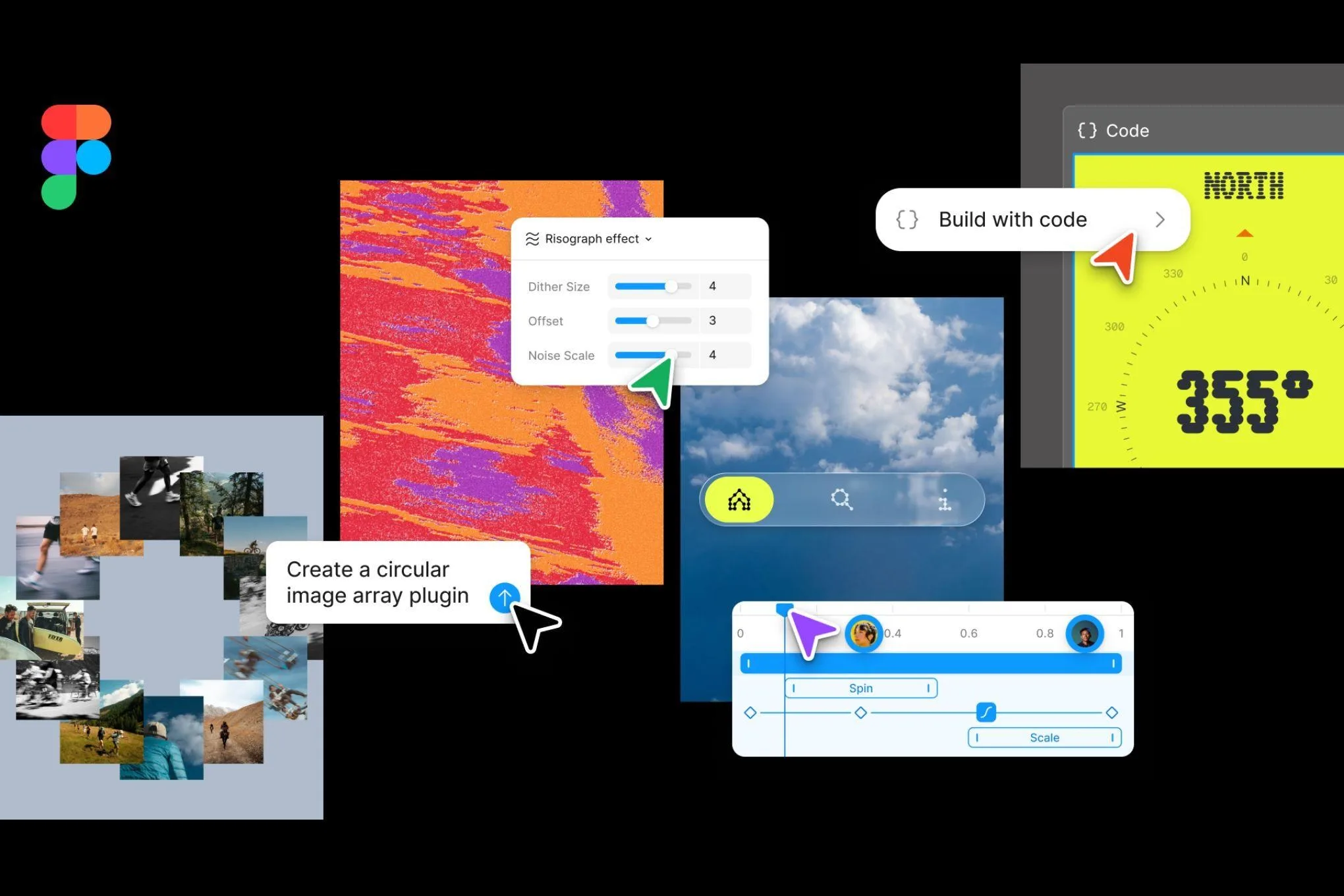
At its annual Config conference, Figma announced coding layers, AI-generated motion graphics, and a reimagined canvas that blurs the line between design and full-stack development.
Sarah Williams · 26 Jun · 5 min
Everyone talks about chips and models. The memory bottleneck is the part of the AI buildout that keeps getting underestimated, and Micron's latest earnings make that case hard to ignore.