OpenAI's New Security Features Are Basically Access Control for AI Agents
If you've ever set up safety interlocks on a factory floor, you'll recognise what OpenAI is doing here with prompt injection defenses.
By
Think about the last time you configured a safety PLC on an industrial robot. You defined what the machine could touch, where it could move, which operators could override which functions. OpenAI just announced something remarkably similar for their AI agents, and honestly, it's about time.
The company rolled out two new features this week: "Lockdown Mode" and "Elevated Risk" labels for ChatGPT. The basic idea is to stop AI agents from being tricked into doing things they shouldn't, whether that's leaking sensitive data or taking actions outside their intended scope. OpenAI calls the threat "prompt injection," which is a fancy way of saying someone feeds the AI malicious instructions hidden in seemingly innocent content.
Why This Matters for Anyone Running Automated Systems
Look, here's the thing. When I was at Kuka, we spent enormous amounts of time on what we called "trust boundaries." A welding robot doesn't get to decide it wants to try spot welding today. The operator can't just type in new coordinates without going through proper channels. Every action gets validated against a permission structure.
OpenAI is building the same kind of architecture for AI agents. Their approach constrains what actions an agent can take based on context, requires explicit user approval for sensitive operations, and creates what they call "hierarchy" between the user's instructions and any external content the AI encounters.
The Elevated Risk labels are particularly interesting. They're essentially warning flags that get attached to messages when the system detects something suspicious (think of them as the yellow caution lights on a robot cell). Lockdown Mode goes further: it restricts what the AI can do with files, limits data access, and blocks certain tool calls entirely.
À lire aussi
More in AI Models
Chipmakers swung wildly this week, from a Tuesday 'chip-wreck' to a Micron-led surge after hours. What's actually going on with AI's hardware backbone?
Sarah Williams · 26 Jun · 5 min
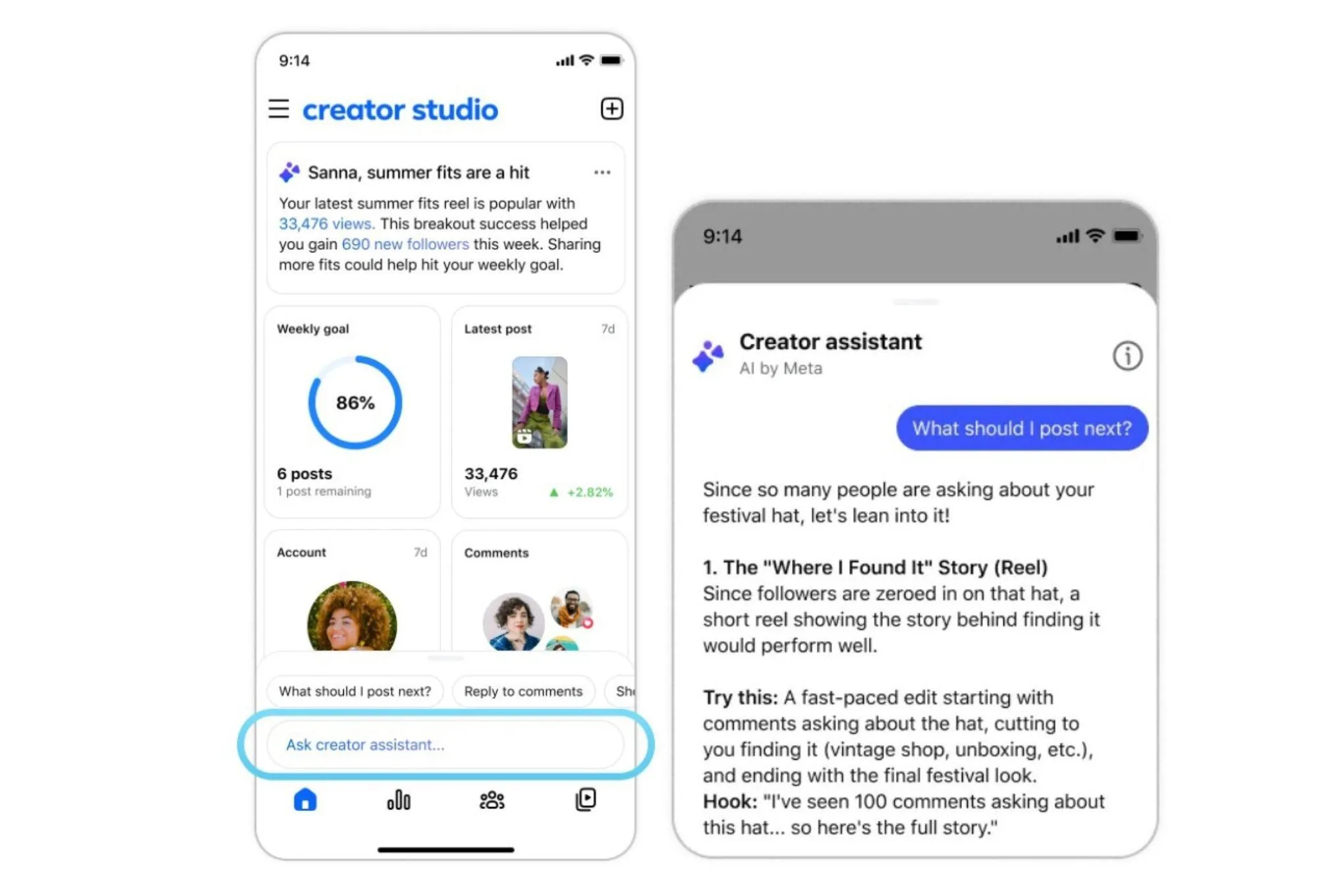
The original Creator Studio was shut down in 2023. Now it's back, rebuilt around an AI assistant that promises to grow your audience and reply to comments in your voice.
Sarah Williams · 26 Jun · 5 min
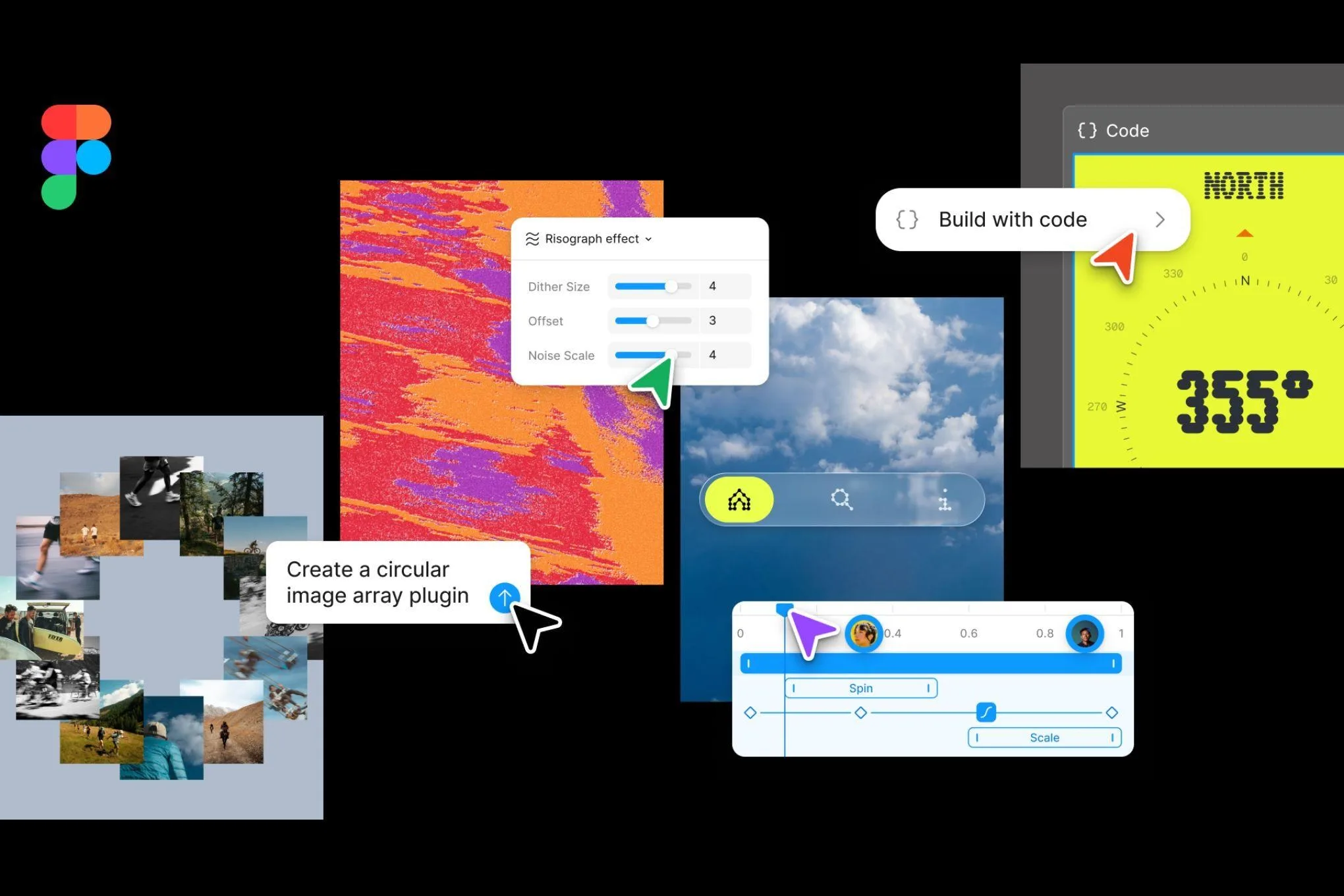
At its annual Config conference, Figma announced coding layers, AI-generated motion graphics, and a reimagined canvas that blurs the line between design and full-stack development.
Sarah Williams · 26 Jun · 5 min
Everyone talks about chips and models. The memory bottleneck is the part of the AI buildout that keeps getting underestimated, and Micron's latest earnings make that case hard to ignore.