Microsoft's RTX Spark Dev Box: A Proper Workstation, Finally
After Qualcomm's dev kit fiasco, Microsoft built the mini PC that developers actually needed. I've got some thoughts on the thermal design.
Crédit photo: Image via Source article. Used under fair use for news commentary. · source
Most of the coverage I've seen on Microsoft's new Surface RTX Spark Dev Box focuses on the Nvidia partnership and the AI development angle. That's fine, but it misses what's actually interesting here: Microsoft essentially had to build this thing because Qualcomm couldn't deliver.
Look, here's the thing. When Qualcomm's dev kit got canceled, it left a real gap in the market. Developers who wanted to test Arm-based workloads locally were stuck. Microsoft, to their credit, didn't just wait around. They built something that addresses the thermal constraints that made Qualcomm's hardware unreliable in the first place.
The Thermal Envelope Matters More Than You Think
The Surface RTX Spark Dev Box runs at a 100-watt thermal envelope. That's significantly higher than the 45-to-80-watt range you get in RTX Spark laptops. When I was at Kuka, we learned the hard way that sustained workloads on undersized thermal systems lead to throttling, which leads to inconsistent performance, which leads to developers pulling their hair out.
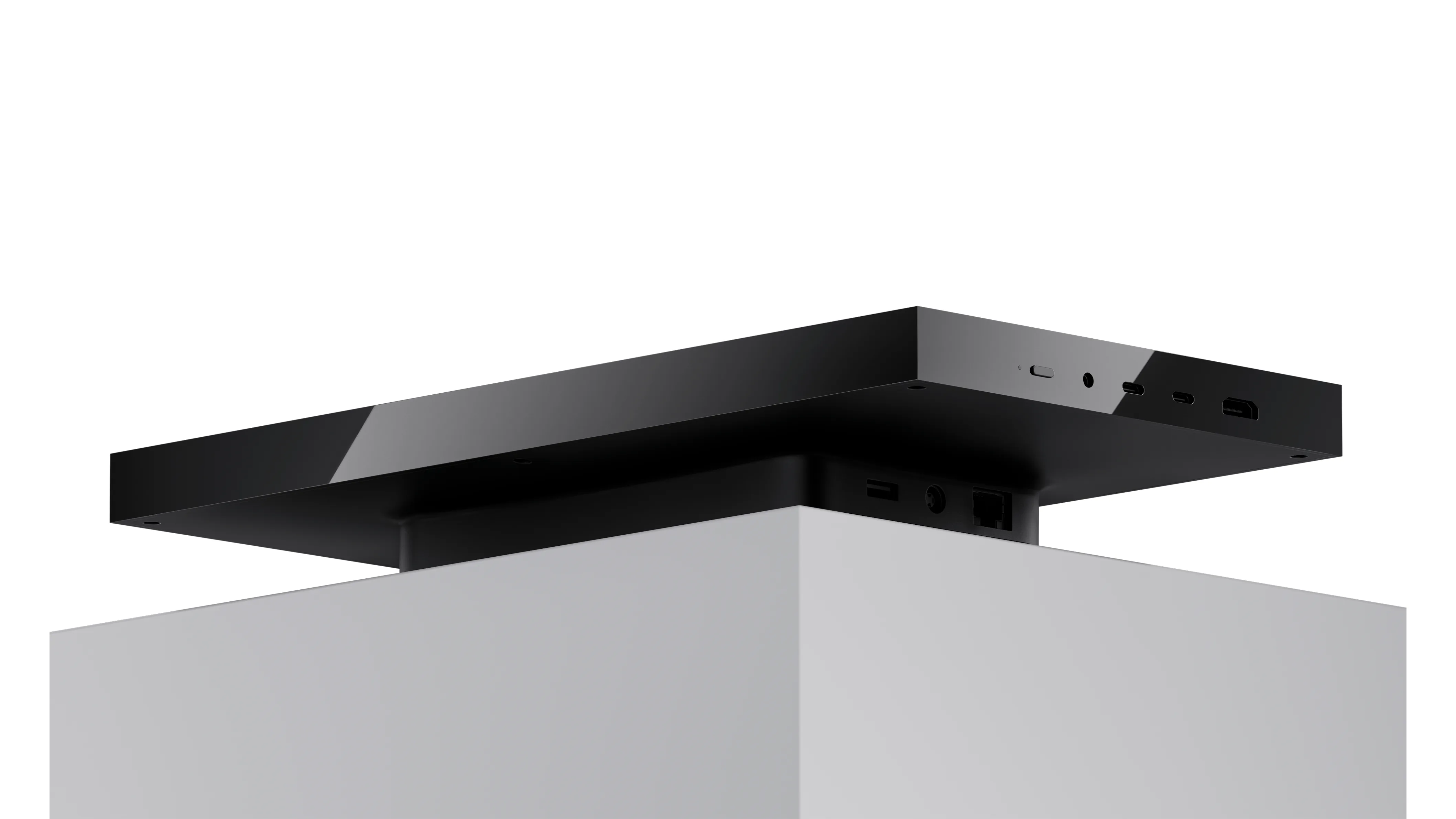
This little box (it looks a bit like someone sawed the top off an Xbox Series X, I'll be honest) uses its aluminum chassis as a heatsink. Simple approach. Effective. The kind of engineering decision that suggests someone on the team has actually tried to run inference models for eight hours straight.
The 128GB of unified memory is generous. Whether developers will actually use that much for local AI tasks remains unclear. Most of the models I've seen people running locally don't come close to saturating that, but headroom is headroom.
Key things worth noting:
À lire aussi
More in AI Models
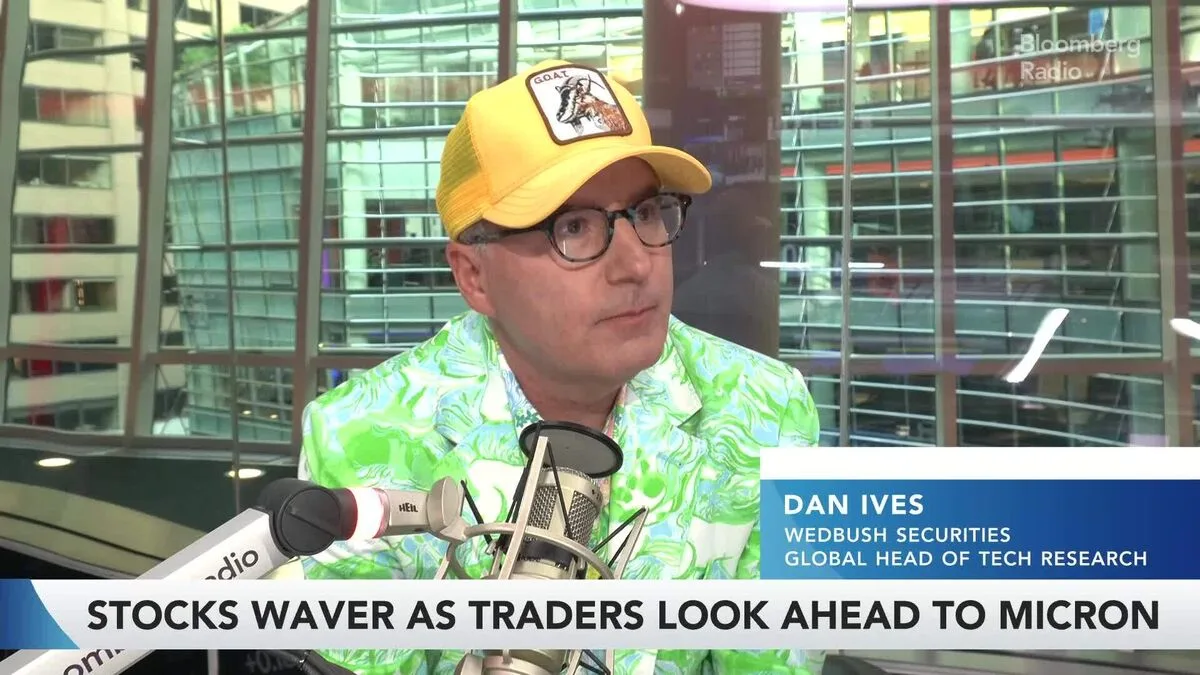
Chipmakers swung wildly this week, from a Tuesday 'chip-wreck' to a Micron-led surge after hours. What's actually going on with AI's hardware backbone?
Sarah Williams · 26 Jun · 5 min
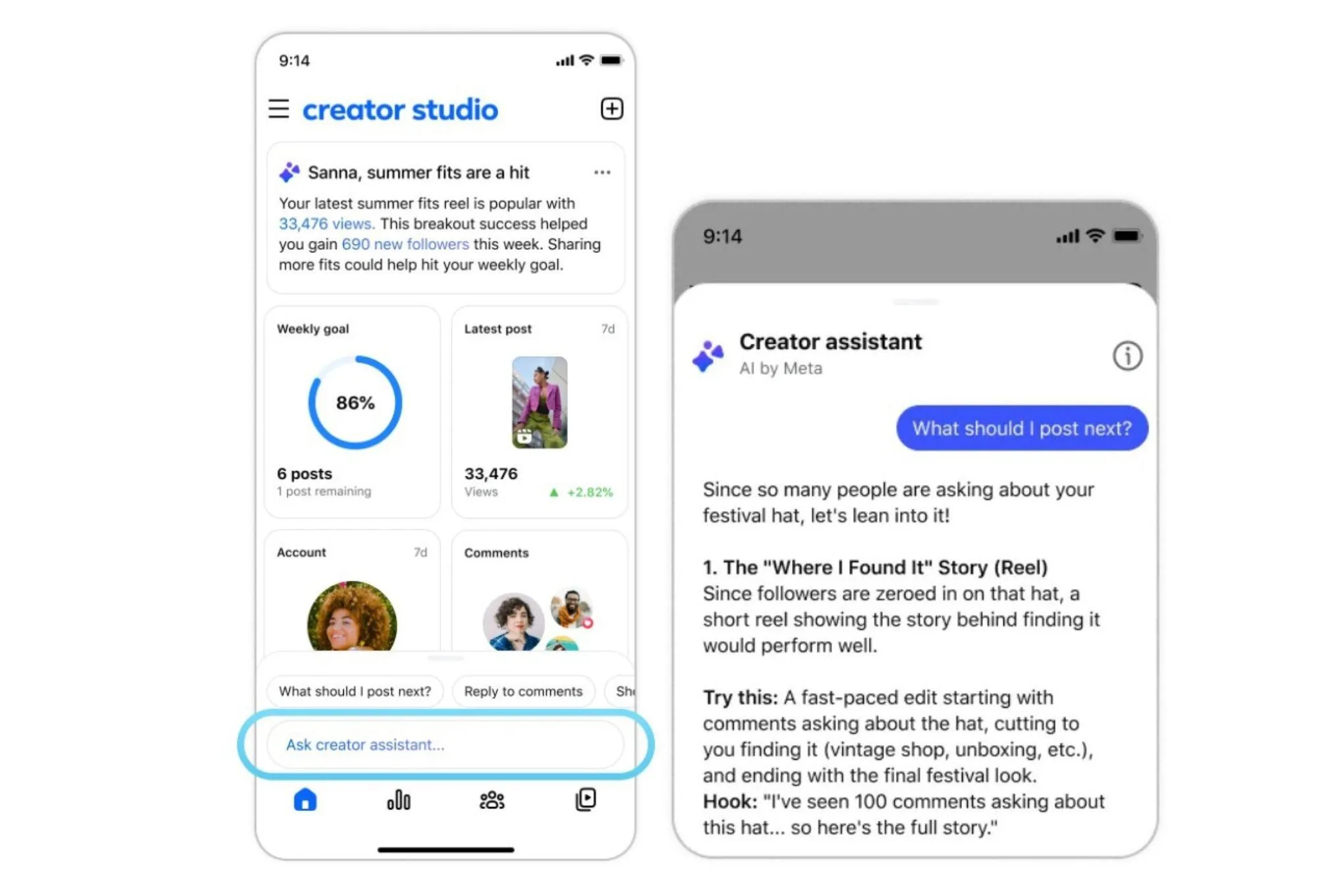
The original Creator Studio was shut down in 2023. Now it's back, rebuilt around an AI assistant that promises to grow your audience and reply to comments in your voice.
Sarah Williams · 26 Jun · 5 min
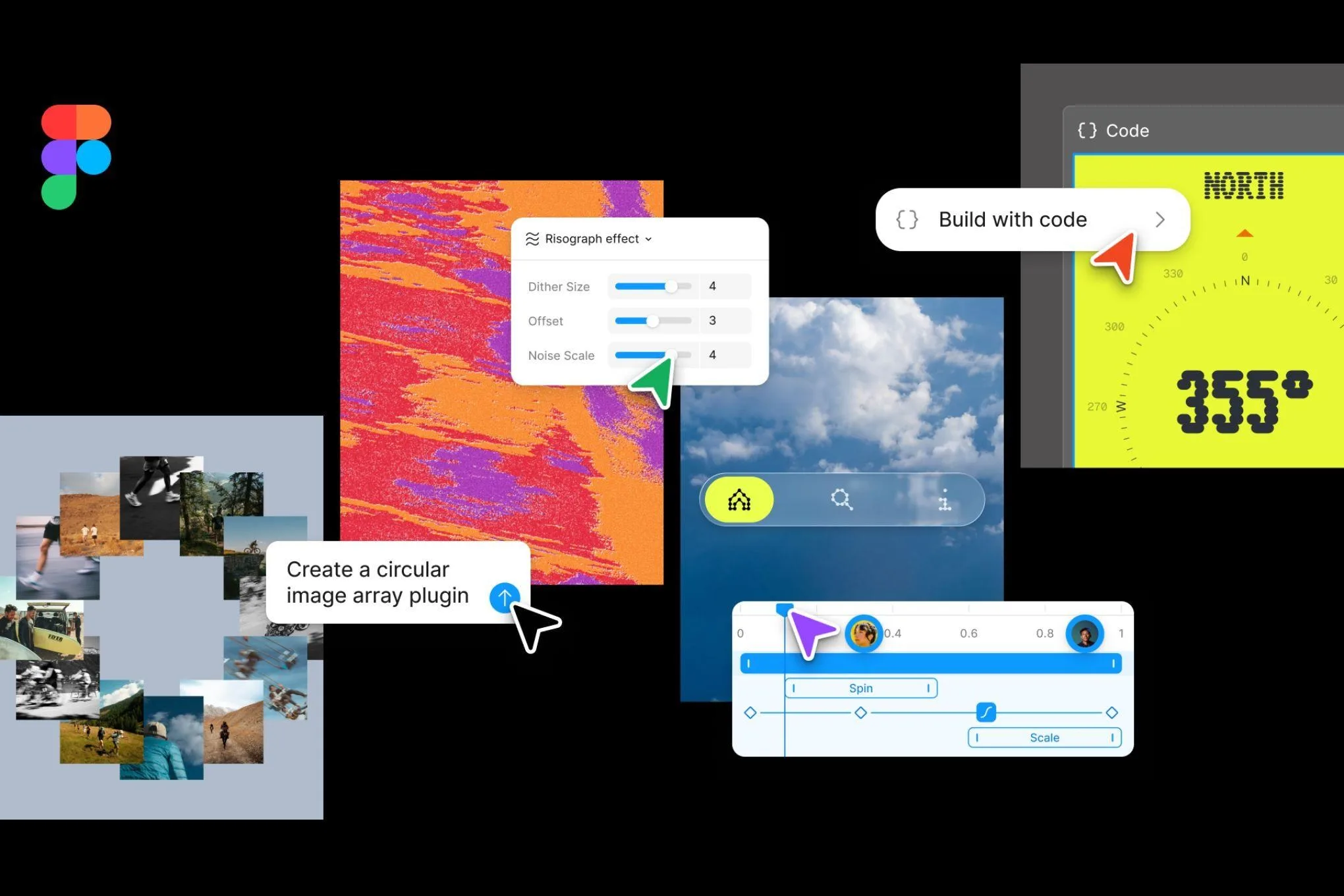
At its annual Config conference, Figma announced coding layers, AI-generated motion graphics, and a reimagined canvas that blurs the line between design and full-stack development.
Sarah Williams · 26 Jun · 5 min
Everyone talks about chips and models. The memory bottleneck is the part of the AI buildout that keeps getting underestimated, and Micron's latest earnings make that case hard to ignore.