Crédit photo: Image via Source article. Used under fair use for news commentary. · source
So Microsoft wants to put an AI in your badge now?
That's the gist of Project Solara, announced this week, which takes the company's workplace AI ambitions off your laptop and straps them to your chest. The pitch is an "always-active executive assistant" that follows you around the office (and presumably everywhere else), ready to schedule meetings, summarize conversations, and generally make itself indispensable to your workday. Call me old-fashioned, but I remember when a good assistant was someone who knew when to leave you alone.
Microsoft's framing here is predictable, they're selling productivity and convenience, the same things they've been selling since Clippy asked if you needed help writing a letter. But the actual product, an AI agent that lives in a mobile device clipped to your person and operates continuously, represents something meaningfully different from Copilot sitting in your browser tab. This is ambient AI, the kind that's always listening, always processing, always ready. And if you've been paying attention to how these rollouts actually go versus how they're announced, you know the gap between the demo and reality tends to be, well, significant.
According to Bloomberg, the new software is designed to handle the kind of tasks that executive assistants have traditionally managed: calendar coordination, meeting prep, follow-up reminders, the whole administrative layer that keeps busy people functional. The badge-based hardware component, detailed in a , is meant to make this assistant truly mobile, not tethered to whatever screen you happen to be looking at.
À lire aussi
More in AI Models
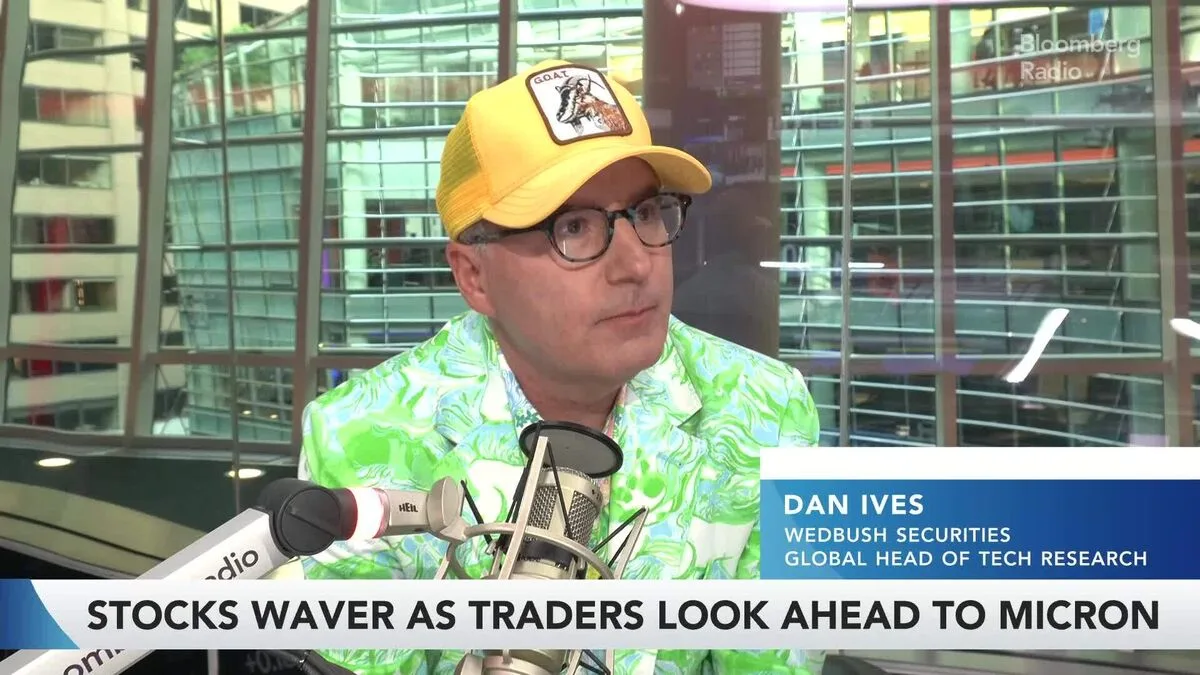
Chipmakers swung wildly this week, from a Tuesday 'chip-wreck' to a Micron-led surge after hours. What's actually going on with AI's hardware backbone?
Sarah Williams · 26 Jun · 5 min
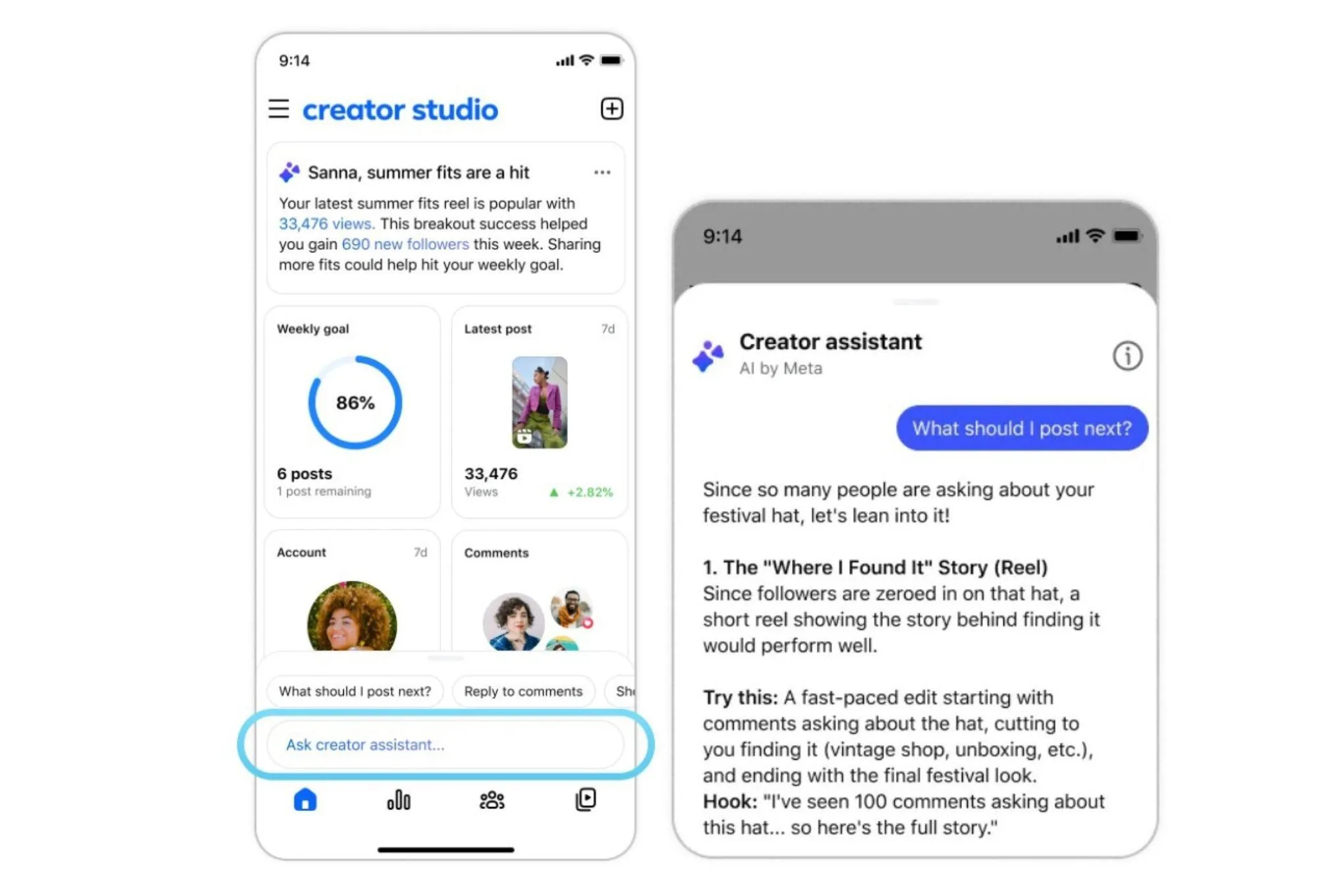
The original Creator Studio was shut down in 2023. Now it's back, rebuilt around an AI assistant that promises to grow your audience and reply to comments in your voice.
Sarah Williams · 26 Jun · 5 min
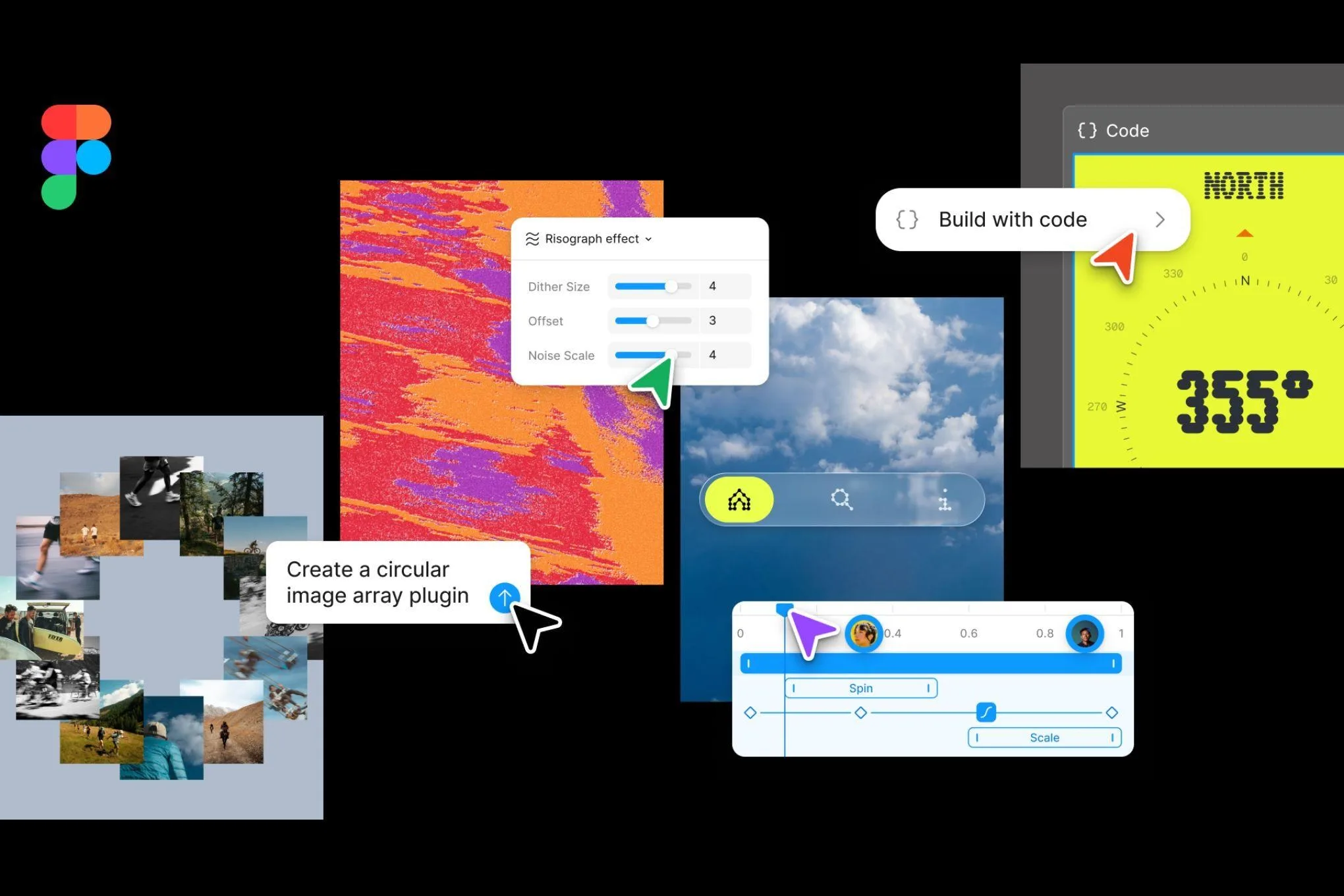
At its annual Config conference, Figma announced coding layers, AI-generated motion graphics, and a reimagined canvas that blurs the line between design and full-stack development.
Sarah Williams · 26 Jun · 5 min
Everyone talks about chips and models. The memory bottleneck is the part of the AI buildout that keeps getting underestimated, and Micron's latest earnings make that case hard to ignore.
The target market here is obviously enterprise, the same customers Microsoft has been courting with Copilot for the past few years. And I get the appeal! If you're a manager juggling twelve direct reports and three time zones, having something that can automatically reschedule your 2pm when your 1pm runs long sounds genuinely useful. The question, as always, is whether the technology actually works that smoothly or whether it creates new problems while solving old ones.
Microsoft didn't disclose exact pricing or a general availability date, which in my experience usually means they're still figuring out both. The company also remained vague on the specifics of what data the badge-based device collects and how it's processed, which seems like the kind of thing you'd want to nail down before strapping AI to your employees.
Here's where I have to be honest: the details on Project Solara are thin. We don't know how the always-on listening actually works in practice, whether there's a wake word, whether it's continuously transcribing, or what. We don't know what happens to the audio data, where it's processed, how long it's retained, who has access. We don't know how the system handles the difference between a conversation you want it to capture and one you don't.
These aren't minor implementation details. They're the whole ballgame.
I've covered enough enterprise software launches to know that the announcement is always the easy part. The hard part is what happens when 10,000 employees at a Fortune 500 company start wearing these things and discover edge cases the product team never imagined. What happens when someone forgets they're wearing the badge into a confidential meeting? What happens when the AI misinterprets a sarcastic comment as a genuine action item? What happens when, inevitably, there's a data breach?
It's too early to say whether Microsoft has thought through these scenarios. Maybe they have! But the announcement materials don't inspire confidence on that front.
Look, this is the self-driving car hype cycle all over again. Not in the sense that the technology won't eventually work (it might), but in the sense that we're being asked to accept a vision of the future that glosses over all the messy intermediate steps.
Remember when every major automaker was promising Level 5 autonomy by 2020? We're now in 2026 and most people still can't buy a car that drives itself on the highway without supervision. The technology advanced, sure, but it advanced slower than the marketing suggested, and the real-world deployment looked nothing like the concept videos.
I see something similar happening with workplace AI. The demos are always immaculate: the AI understands context perfectly, never makes mistakes, integrates seamlessly with existing workflows. The reality is usually messier, full of false positives and integration headaches and that one guy in accounting who refuses to use it on principle.
None of this means Project Solara is doomed. Microsoft has more resources and more enterprise relationships than basically anyone else in this space. If anyone can make ambient workplace AI work, they're probably on the short list. But "probably on the short list" is different from "definitely going to nail it," and I wish the coverage around these announcements reflected that uncertainty more often.
The interesting question isn't whether Microsoft's AI assistant will be useful (it probably will be, for some people, some of the time). The interesting question is what it means for the nature of work when your employer can deploy always-on AI monitoring disguised as productivity tools.
And before you say I'm being paranoid, consider that the same technology that reminds you about your 3pm can also track how many meetings you attend, how often you speak in them, whether you're "engaged" according to whatever metrics the AI is trained on. The line between assistant and surveillance is, in practice, wherever your employer decides to draw it.
Some companies will use this responsibly. Others won't. We don't have great regulatory frameworks for this kind of ambient workplace AI, and the ones we do have (GDPR in Europe, various state laws in the US) weren't really designed with always-on badge assistants in mind. It remains unclear how existing privacy regulations will apply to devices that are technically opt-in but practically mandatory if your company decides to deploy them.
I'm not saying Microsoft is building a surveillance tool. I'm saying they're building something that could very easily become one depending on how it's configured and deployed, and that distinction matters.
Microsoft will presumably announce pricing and availability at some point, probably at a future enterprise event. Other companies (Google, Amazon, the usual suspects) will announce their own versions, because that's how this industry works. Some early adopters will have good experiences, some will have bad ones, and the truth will sort of average out somewhere in the middle.
In the meantime, if you're an employee at a company considering this kind of technology, maybe start asking questions now about data retention policies and opt-out procedures. And if you're a manager thinking about deploying it, maybe talk to your team first instead of surprising them with AI badges one Monday morning.
But what do I know. I still prefer email to Slack, and the kids running these companies probably think I'm a dinosaur. Maybe they're right! Maybe ambient AI assistants will be as unremarkable as smartphones in ten years, and articles like this one will look as quaint as 1990s pieces about whether email would catch on.
I've just seen enough of these cycles to know that the future usually arrives slower and weirder than the press releases suggest. If you want to argue, my email's on the about page.