Crédit photo: Image via The Verge — AI. Used under fair use for news commentary. · source
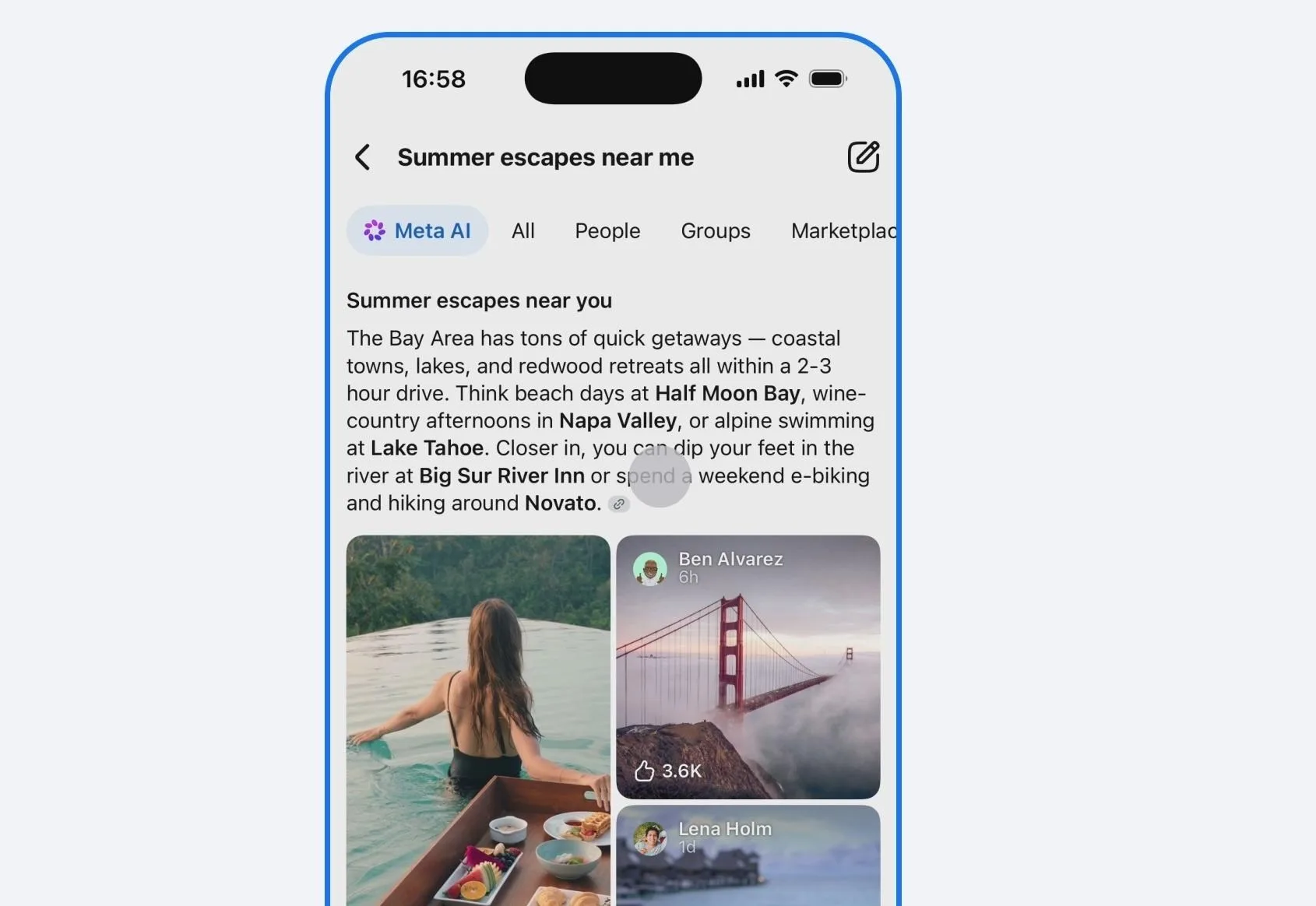
Meta announced Monday that Facebook is getting an "AI Mode" for search, and if you've been anywhere near the internet this decade, you already know roughly how this goes.
The feature, which The Verge reported on this week, drops AI-generated answers into Facebook's search experience instead of the usual list of links and profiles. The "option will appear alongside the usual search modes like" "People" and "Marketplace." So you'll have a choice, at least for now. Whether that choice sticks around once Meta gets comfortable with the numbers is, well, a different question entirely.
What it actually does, and why it matters more than it sounds.
The AI Mode pulls from publicly posted content across Meta's platforms to generate its answers. Think of it like a search engine that's been trained to sound confident about things your neighbors posted last Tuesday. TechCrunch framed this as part of Meta's broader effort to "catch up in the AI race and keep users more engaged on the platform," which is, honestly, the most accurate summary of what every major tech company is doing right now and has been doing since ChatGPT made everyone panic in late 2022.
I've seen this movie before. Not this exact movie, but something close enough. In the late nineties, every portal, every search engine, every company with a homepage was scrambling to become the one place you'd go for everything. AOL wanted to be your whole internet. Yahoo wanted to be your whole internet. MSN wanted to be your whole internet. Most of them are either dead or irrelevant. The ones that survived figured out what they were actually good at and leaned into it hard. Meta's bet here is that Facebook is still where enough people talk about enough things that its public post corpus is actually valuable as a search substrate. That bet might be right. It also might not be.
À lire aussi
More in AI Models
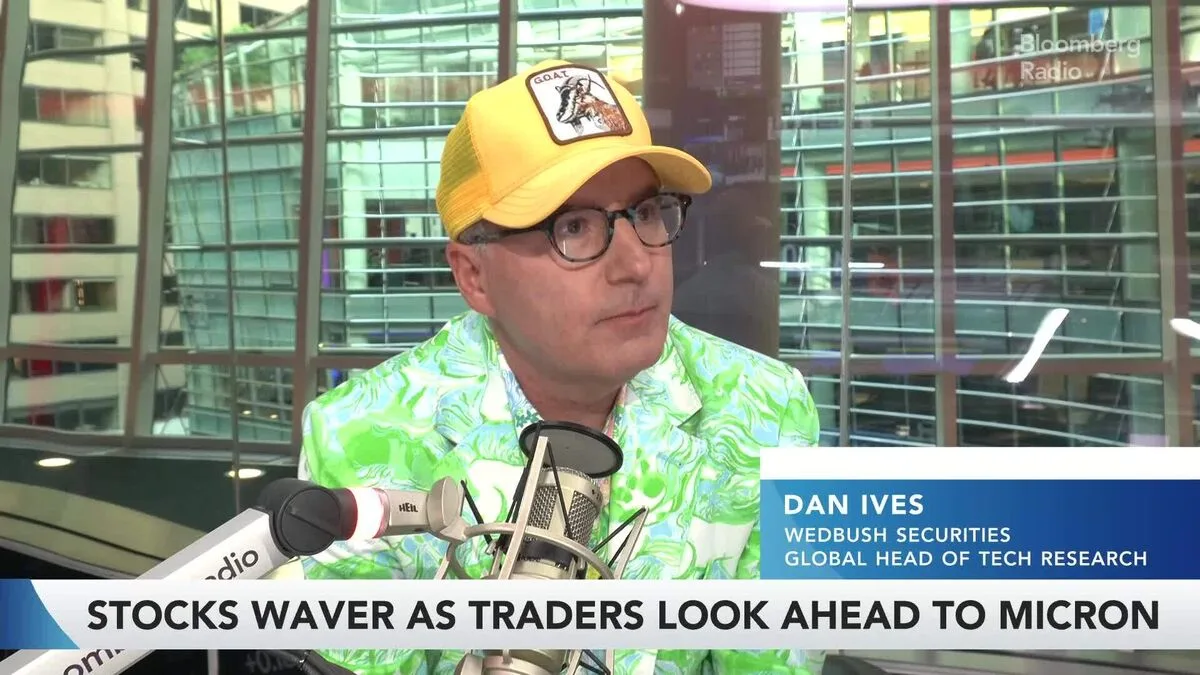
Chipmakers swung wildly this week, from a Tuesday 'chip-wreck' to a Micron-led surge after hours. What's actually going on with AI's hardware backbone?
Sarah Williams · 26 Jun · 5 min
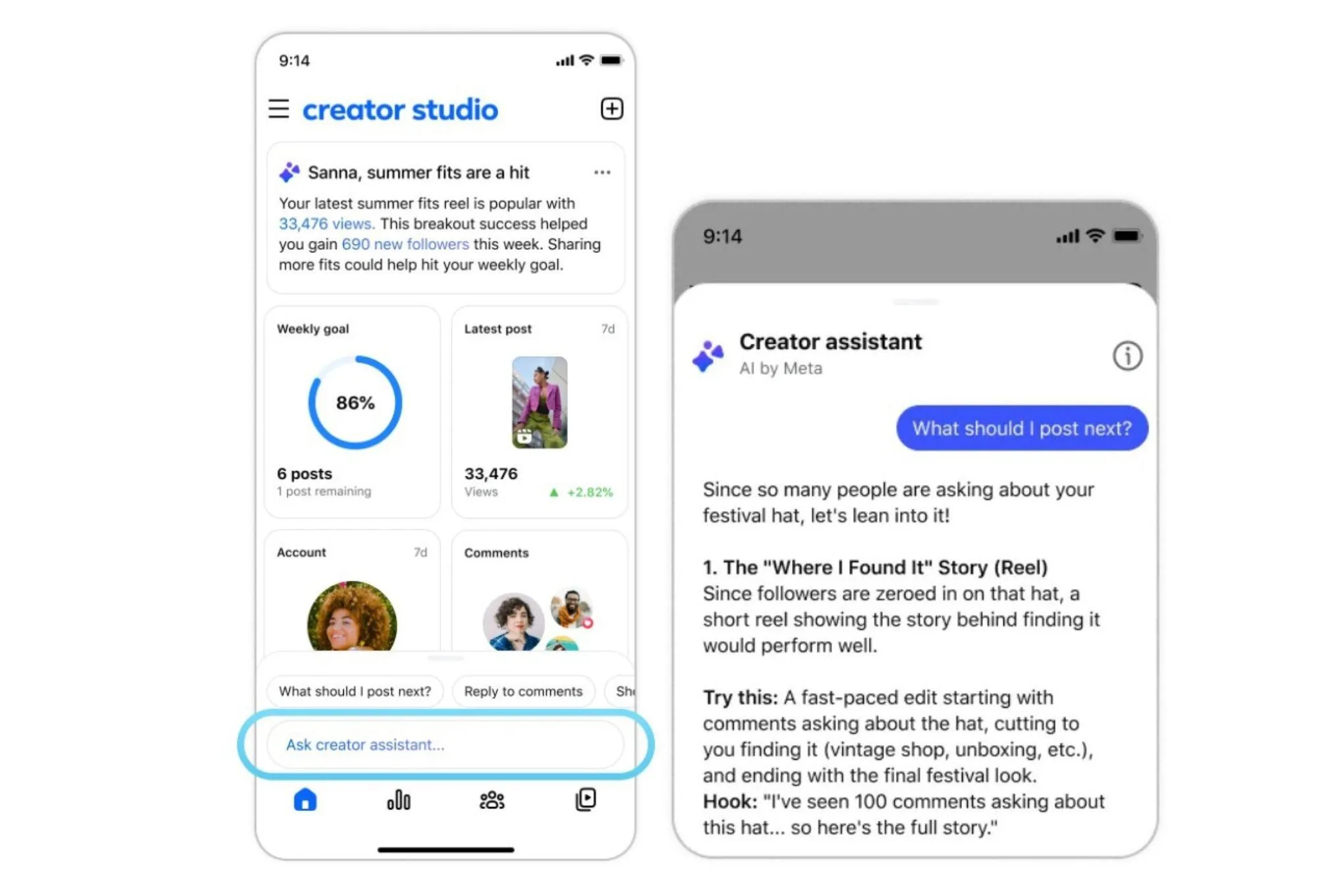
The original Creator Studio was shut down in 2023. Now it's back, rebuilt around an AI assistant that promises to grow your audience and reply to comments in your voice.
Sarah Williams · 26 Jun · 5 min
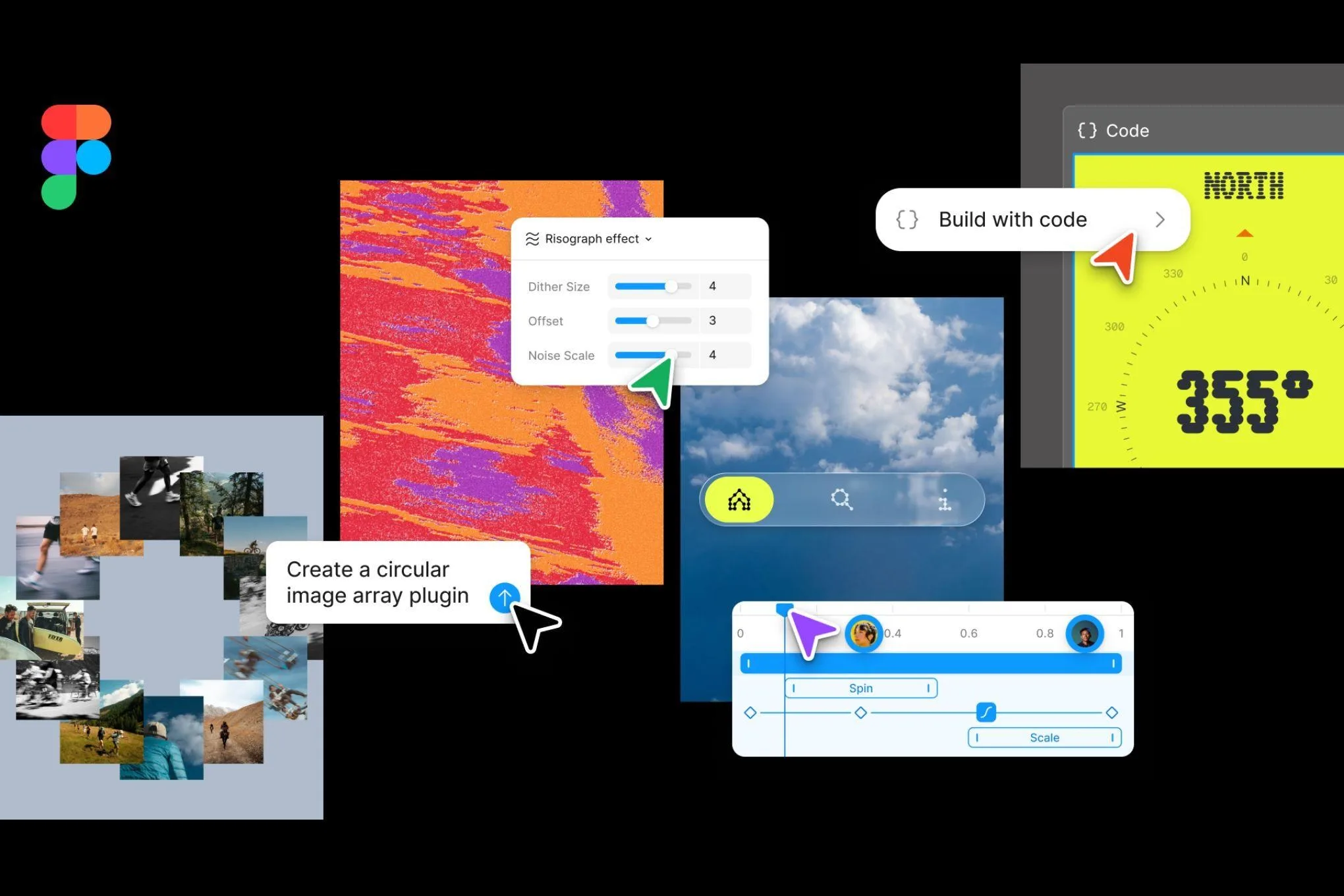
At its annual Config conference, Figma announced coding layers, AI-generated motion graphics, and a reimagined canvas that blurs the line between design and full-stack development.
Sarah Williams · 26 Jun · 5 min
Everyone talks about chips and models. The memory bottleneck is the part of the AI buildout that keeps getting underestimated, and Micron's latest earnings make that case hard to ignore.
The data question nobody's asking loudly enough.
Here's the thing that keeps nagging at me. The AI Mode is pulling from public posts, which sounds clean and above board, and technically it is. You posted publicly, Meta uses it publicly. Fine. But the quality of what's in that corpus is, to put it charitably, variable. Facebook's public content in 2025 is a mix of legitimate local news tips, small business announcements, community event listings, grandparents sharing photos with accidentally public settings, and a truly staggering volume of misinformation, spam, and engagement bait. When the AI Mode synthesizes all of that into a confident-sounding answer, it's doing something that remains unclear to me: is it filtering aggressively, or is it surfacing a weighted average of whatever's out there?
We don't know yet. Meta hasn't been specific about the moderation layer sitting between raw public posts and AI-generated answers. That's not a minor detail. That's the whole product.
The comparison that keeps coming to mind is early Google News, which also aggregated public content and also produced results that ranged from excellent to embarrassing depending on what was circulating that day. Google spent years tuning that system. Meta's starting from a harder position because Facebook's content quality controls have, let's be honest, been a known problem for the better part of a decade.
The engagement angle is real, and that's not a compliment.
TechCrunch's framing, that this is about catching up in AI and keeping users engaged, is doing a lot of work in a short sentence. Keeping users engaged on Facebook is a goal that has historically been in tension with keeping users well-informed. The engagement-maximizing version of a Facebook AI Mode would surface answers that feel satisfying and confirming. The accuracy-maximizing version would sometimes tell you things you don't want to hear, or say "I don't have reliable information on that," which is not a sentence that drives session time.
I'm not saying Meta's going to build the engagement-maximizing version on purpose. I'm saying the incentive structure points that direction, and it's going to take real discipline to resist it. Call me old-fashioned, but I'd feel better if Meta were being more explicit about how they're navigating that tension.
The rollout also includes some lighter features, photo presets that swap sports jerseys onto fans, collage template suggestions, that kind of thing. Those are fine. Harmless. The jersey thing is actually kind of fun! But they're also a good reminder that Meta's AI push isn't a unified, coherent strategy so much as a wave of features going out the door because the company decided it needed to be seen as an AI company fast. Some of those features will stick. Some won't. The AI Mode for search is the one worth watching because it touches something foundational: how people find information inside the world's largest social network.
The Reddit comparison buried in the coverage is interesting.
The Verge noted that the AI Mode works similarly to the search feature in Meta's new Reddit-like Forum app, which pulls from publicly posted content in the same way. This raises questions about, well, multiple things. Is Meta building a consistent AI search layer across all its properties? Is the Forum app a testing ground for the Facebook rollout? And if Forum is Reddit-like, does that mean Meta's AI search is going to be as hit-or-miss as Reddit's own search has historically been? (Reddit's search is famously bad, which is why people append "site:reddit.com" to Google queries. This is not the bar you want to clear.)
To be fair to these kids building this stuff, the underlying technology is genuinely better than it was even two years ago. The generation of AI search that's landing now, at Perplexity, at Google, at Microsoft, and apparently now at Meta, is meaningfully more capable than the first wave. The answers are more coherent. The sourcing is more traceable. The failure modes are different, and in some ways less catastrophic, than they were in 2023. So I don't want to be the guy who just waves his hand and says AI search is all hype. It's not all hype.
But Facebook-specific AI search has a Facebook-specific problem, which is that the source material is Facebook. Google Search AI Overviews pull from the broader web, with all its messiness, but also with decades of SEO incentives that at least pushed content toward a kind of legibility. Perplexity pulls from news sources and indexed pages. Meta's AI Mode is pulling from a social network where the incentive to post has always been social, not informational, and where the quality controls have never been the point.
So where does this leave us.
Meta is a company with roughly three billion users and a genuine need to prove it can compete in the AI era. Rolling out AI Mode on Facebook search is a logical move. It's also a move that comes with real risks that the announcement framing, all engagement and catching up, doesn't really reckon with.
This is based on limited public information from the initial rollout announcement, and it's genuinely too early to say whether the accuracy and moderation layer underneath this feature is good, bad, or somewhere in between. I'd want to see independent testing across a range of query types, especially anything touching health, local news, or anything politically adjacent, before drawing conclusions about whether this is a net positive for the people using it.
What I can say is that the structural incentives here are complicated, and Meta has not historically been great at prioritizing information quality over engagement metrics when those two things conflict. Maybe this time is different. The AI race is real pressure, and real pressure sometimes produces real discipline.
Or maybe we're about to watch three billion people get AI-generated answers sourced from Facebook posts, and we'll spend the next two years writing about the downstream effects. I've covered enough tech cycles to know that both outcomes are possible, and that the press release never tells you which one you're getting.
If you want to argue about it, my email's on the about page.