Groq's $650M raise signals a quiet retreat from the chip wars
The AI chip startup is reportedly pivoting toward inference services, which tells you everything about how brutal the hardware business has become.
Crédit photo: Image via TechCrunch — AI. Used under fair use for news commentary. · source
Six hundred and fifty million dollars. That's what Groq is reportedly trying to raise, according to Axios, as the AI chip startup shifts its focus away from hardware and toward inference services.
Look, I've seen enough spec sheets and pivot announcements to recognize a pattern. When a chipmaker starts talking about "focusing on inference" rather than shipping silicon, it usually means one thing: the hardware economics stopped working.
What's actually happening here
Groq made its name with LPU (Language Processing Unit) chips designed specifically for AI inference. The pitch was compelling: custom silicon that could run large language models faster and more efficiently than Nvidia's general-purpose GPUs. The company demonstrated genuinely impressive benchmark numbers.
But benchmarks don't pay the bills. Manufacturing does. And manufacturing custom AI chips at scale requires the kind of capital that makes $650 million look like a rounding error.
The timing here is worth noting. This fundraise comes shortly after Nvidia's reported $20 billion deal with another AI chip venture, a transaction that, while not technically an acquisition, effectively removed a competitor from the field. The message to remaining players is clear: compete with Nvidia's manufacturing scale and ecosystem, or find another business model.
Groq appears to be choosing the latter.
The inference pivot, explained
À lire aussi
More in AI Models
Chipmakers swung wildly this week, from a Tuesday 'chip-wreck' to a Micron-led surge after hours. What's actually going on with AI's hardware backbone?
Sarah Williams · 26 Jun · 5 min
The original Creator Studio was shut down in 2023. Now it's back, rebuilt around an AI assistant that promises to grow your audience and reply to comments in your voice.
Sarah Williams · 26 Jun · 5 min
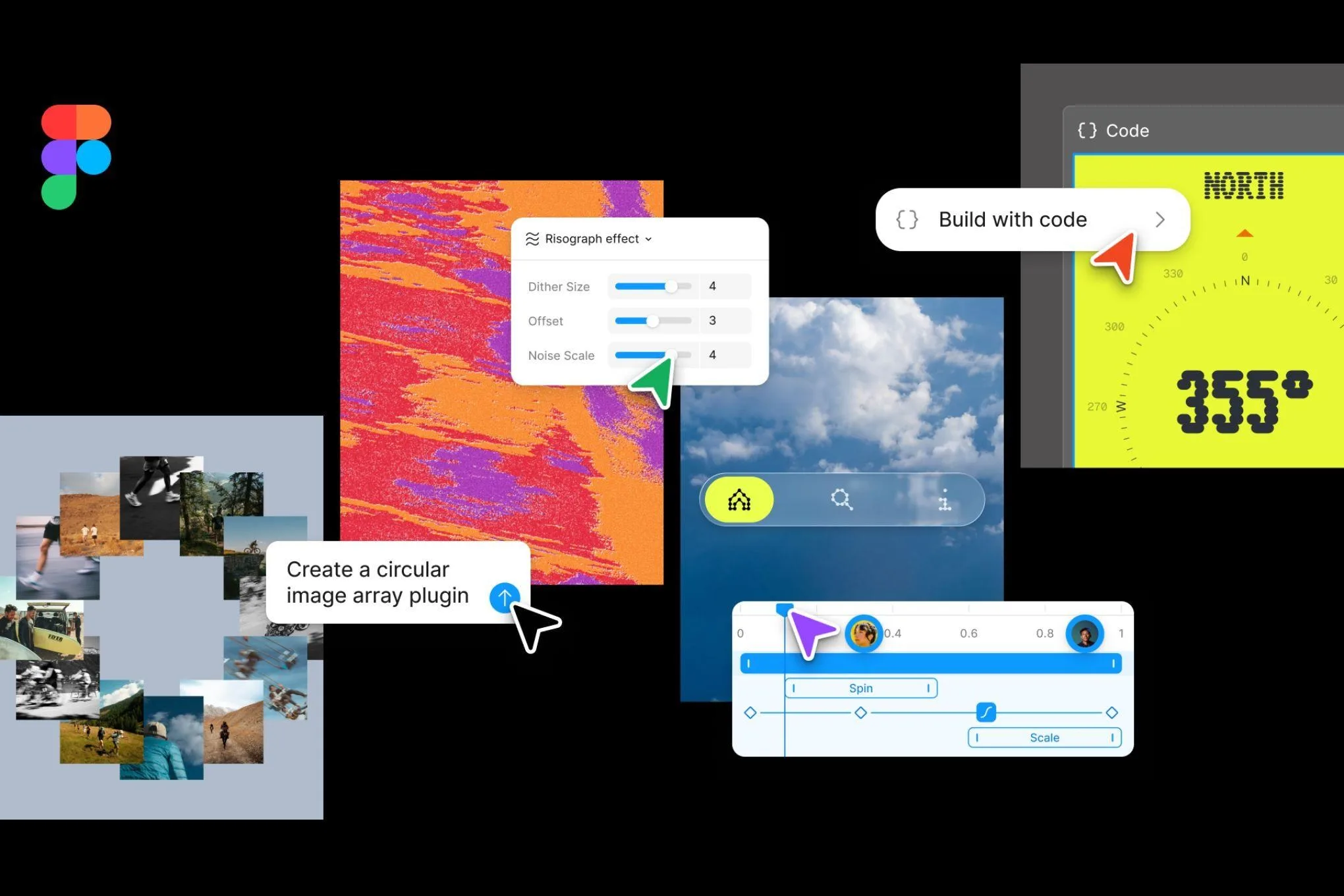
At its annual Config conference, Figma announced coding layers, AI-generated motion graphics, and a reimagined canvas that blurs the line between design and full-stack development.
Sarah Williams · 26 Jun · 5 min
Everyone talks about chips and models. The memory bottleneck is the part of the AI buildout that keeps getting underestimated, and Micron's latest earnings make that case hard to ignore.