Google's Intel Deal Says More About Intel Than It Does About AI
Three million chips is a big number, but let's talk about what's really happening here.
Crédit photo: Image via Source article. Used under fair use for news commentary. · source
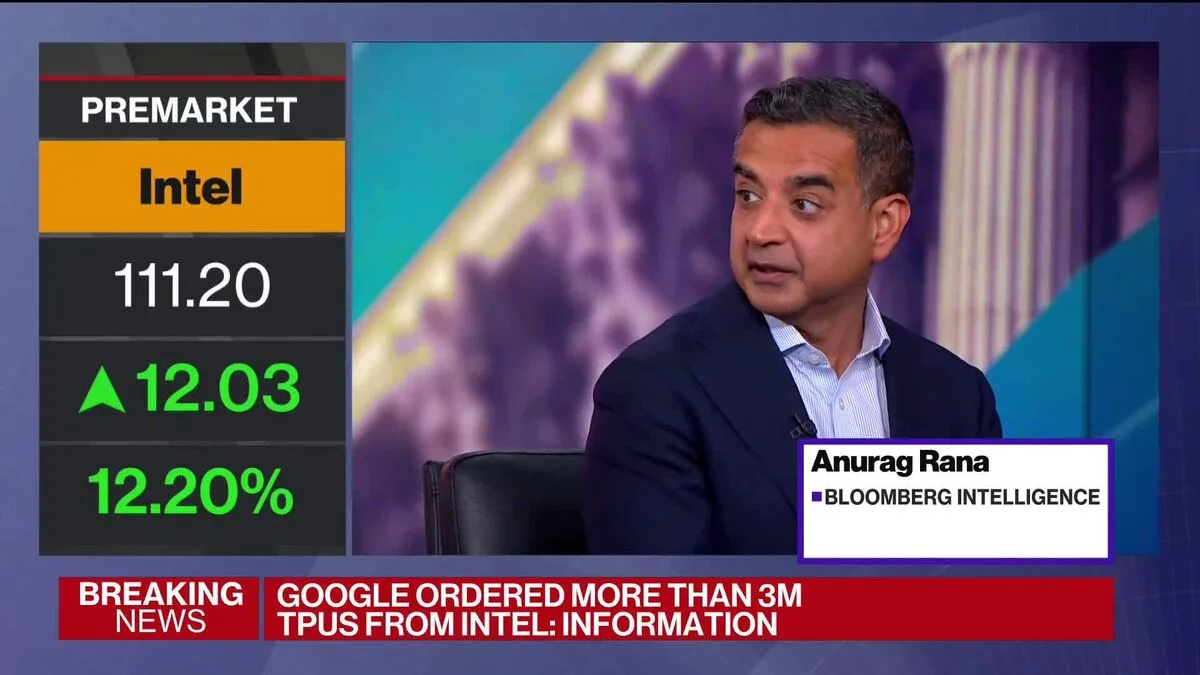
Look, when I saw the headline about Google ordering over three million chips from Intel for 2028, my first thought wasn't about AI at all. It was about Intel. And I'll be honest, that's the more interesting story.
The news comes via The Information, which reported that Alphabet's Google placed the order for specialized AI chips to be manufactured in 2028. Two unnamed sources. That's what we've got to work with.
Why is Google going to Intel?
This is the question everyone should be asking. Google has its own TPUs (Tensor Processing Units, for those who haven't been following along). They've been designing their own silicon for years. They have relationships with TSMC. So why Intel?
When I was at Kuka, we watched the semiconductor landscape pretty closely because, well, you can't build industrial robots without chips. And back then, Intel was the giant. Unassailable. The idea that they'd be taking contract manufacturing work from Google would've seemed backwards.
But here we are. Intel's been pushing hard into the foundry business, trying to compete with TSMC and Samsung for contract chip manufacturing. This deal, if the numbers are accurate, suggests they're making progress. Or at least that Google's willing to give them a shot.
Three million chips is substantial. Not earth-shattering for a company Google's size, but substantial. The fact that it's for 2028 delivery tells you something too. This isn't urgent. This is Google hedging, diversifying, maybe testing Intel's capabilities before committing to something bigger.
À lire aussi
More in AI Models
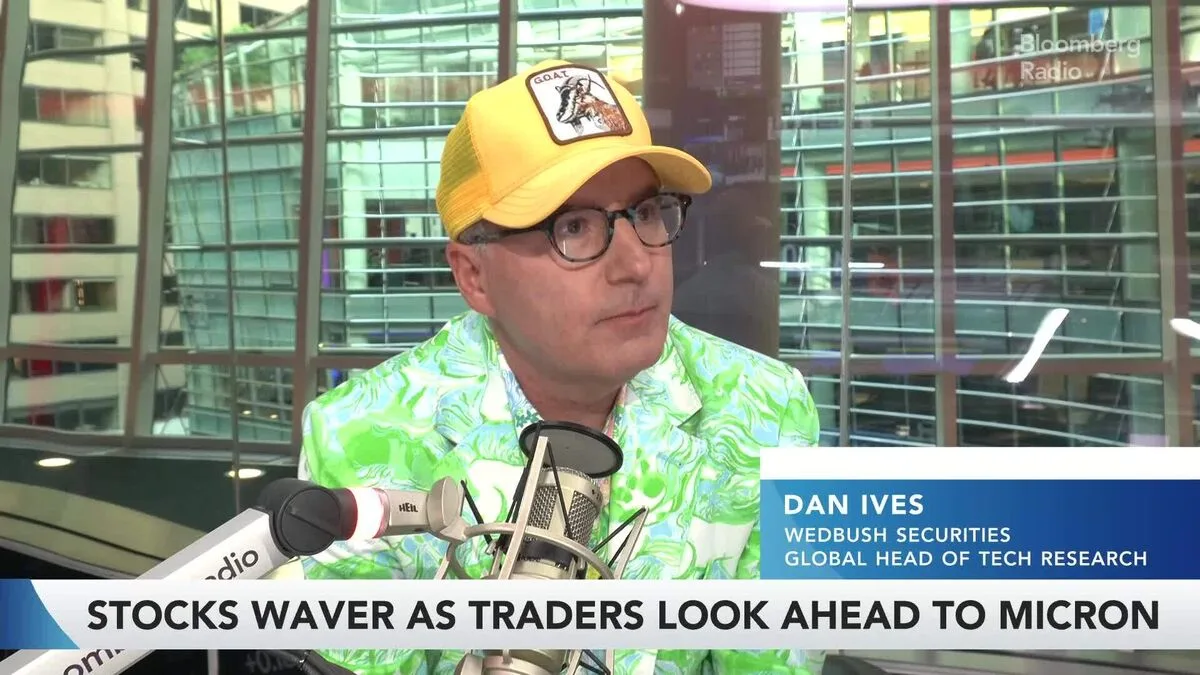
Chipmakers swung wildly this week, from a Tuesday 'chip-wreck' to a Micron-led surge after hours. What's actually going on with AI's hardware backbone?
Sarah Williams · 26 Jun · 5 min
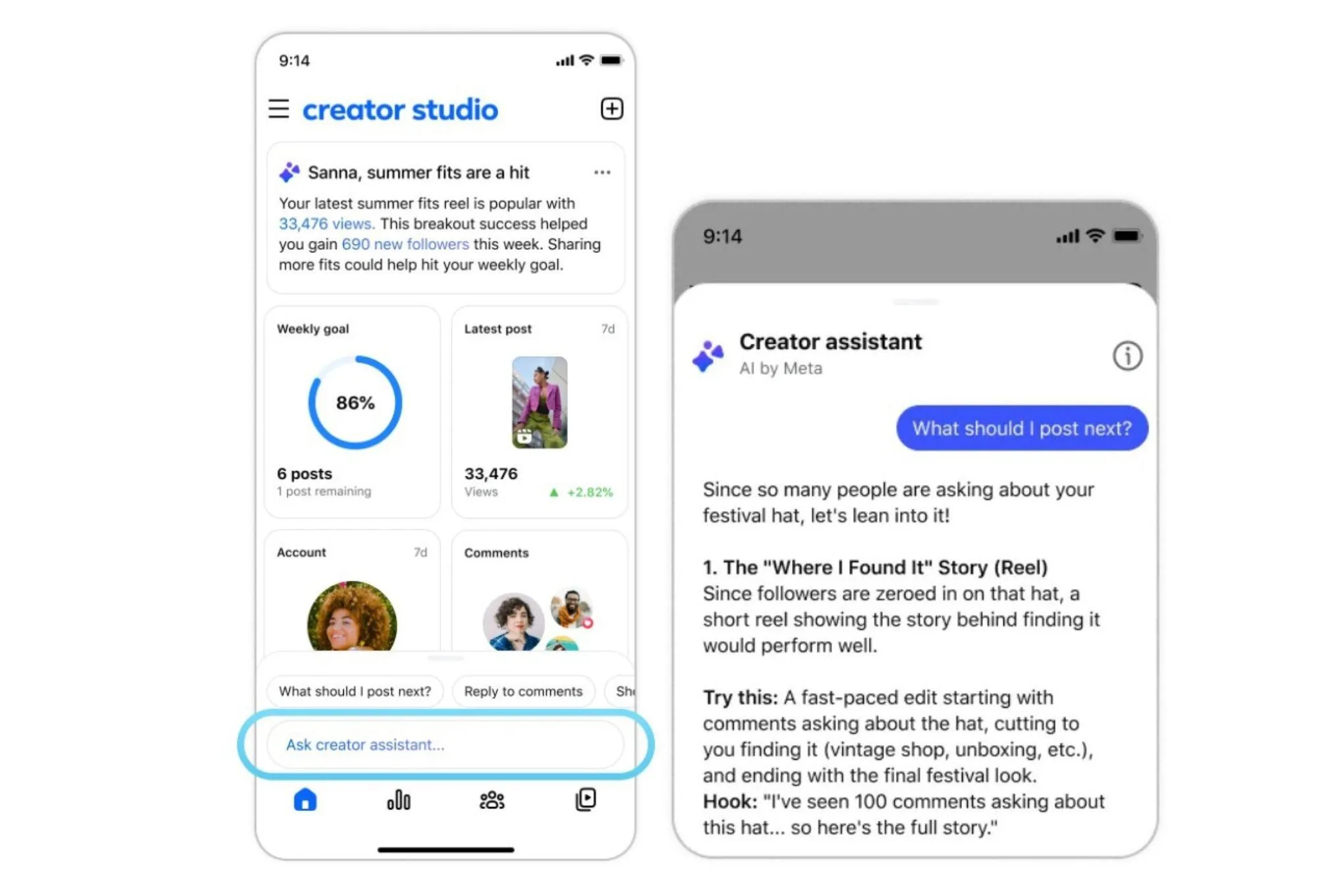
The original Creator Studio was shut down in 2023. Now it's back, rebuilt around an AI assistant that promises to grow your audience and reply to comments in your voice.
Sarah Williams · 26 Jun · 5 min
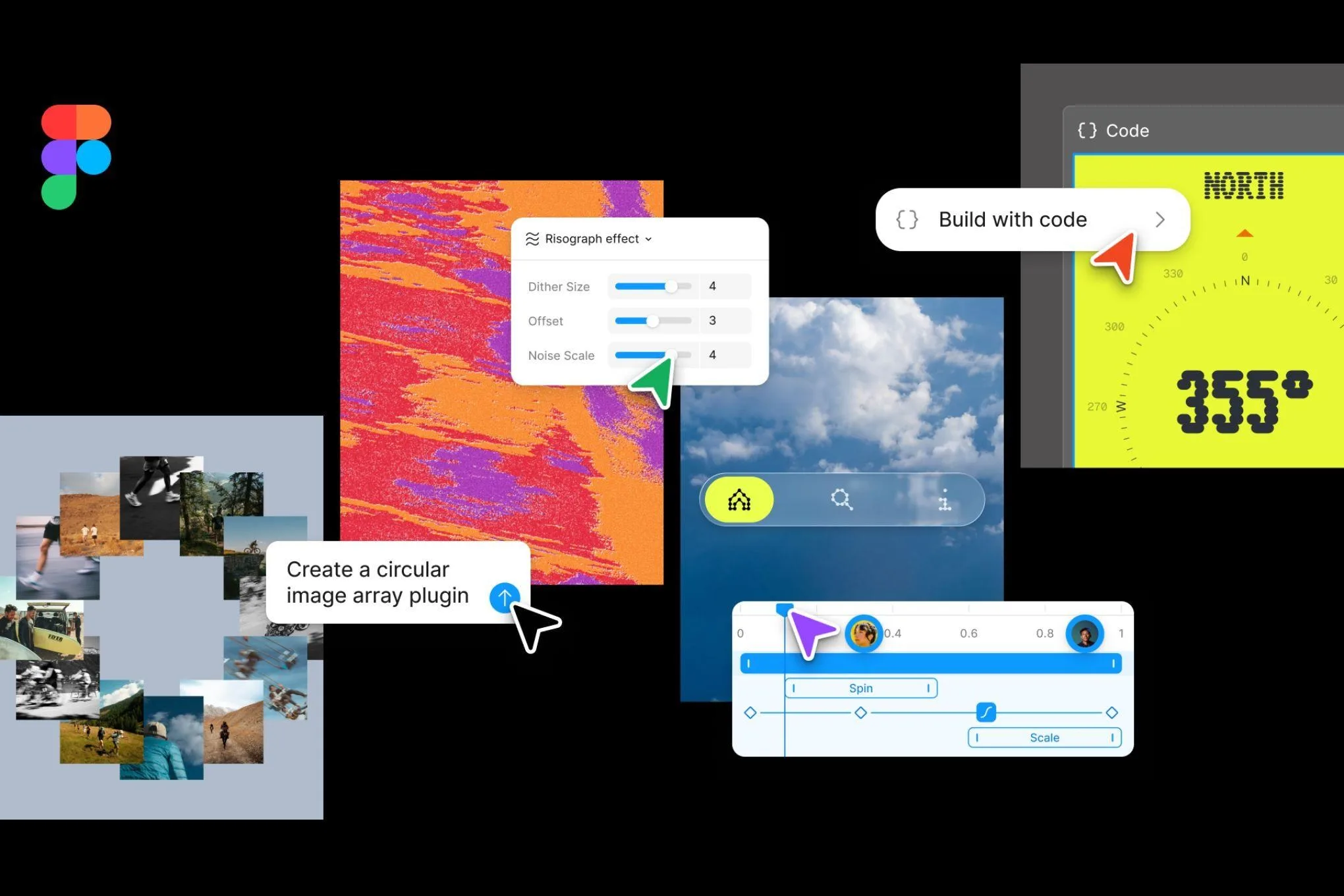
At its annual Config conference, Figma announced coding layers, AI-generated motion graphics, and a reimagined canvas that blurs the line between design and full-stack development.
Sarah Williams · 26 Jun · 5 min
Everyone talks about chips and models. The memory bottleneck is the part of the AI buildout that keeps getting underestimated, and Micron's latest earnings make that case hard to ignore.