Can Robots Finally Learn Without Constant Human Babysitting?
A batch of new reinforcement learning papers suggests we're getting closer to robots that train themselves, but the real test is whether any of this works outside the lab.
By
How much human hand-holding does a robot really need to learn a new task? That's the question at the heart of several recent papers that are pushing reinforcement learning toward something that actually looks like autonomy.
The traditional setup for robot learning is, frankly, tedious. You design a reward function by hand, run thousands of training iterations, watch the robot fail in unexpected ways, tweak the reward, and repeat. I've seen enough spec sheets and training logs to know that this cycle can eat months of engineering time. But a handful of new approaches are trying to close that loop automatically, and the results are worth paying attention to.
The most ambitious is probably AgenticRL, a framework out of arXiv that uses a multimodal GPT agent to interpret tasks, generate reward functions, train policies, and then critique its own work. The system runs on UAVs doing navigation tasks like gate traversal and obstacle avoidance. The claimed improvement from closed-loop refinement is 71% better policy behavior compared to initial rewards. More interesting to me is the sim-to-real transfer: 91% real-world success rate with 94% sim-to-real accuracy. Those are solid numbers, though I'd want to see how they hold up across different environments and drone hardware before getting too excited.
The real test is production volume, and that's where fleet-scale learning comes in. A paper called Learning While Deploying, or LWD, describes a system that ran on 16 dual-arm robots across eight manipulation tasks. The setup is clever: robots collect experience during actual deployment, share it across the fleet, and the policy improves continuously. The headline result is 95% average success rate, with the biggest gains on long-horizon tasks that take 3 to 5 minutes to complete. That's a meaningful benchmark because long-horizon tasks are where things usually fall apart. The framework combines something called Distributional Implicit Value Learning for value estimation with Q-learning via Adjoint Matching for policy extraction. Dense technical details, but the core idea is straightforward: learn from the fleet, not just from individual robots.
À lire aussi
More in AI Models
Chipmakers swung wildly this week, from a Tuesday 'chip-wreck' to a Micron-led surge after hours. What's actually going on with AI's hardware backbone?
Sarah Williams · 26 Jun · 5 min
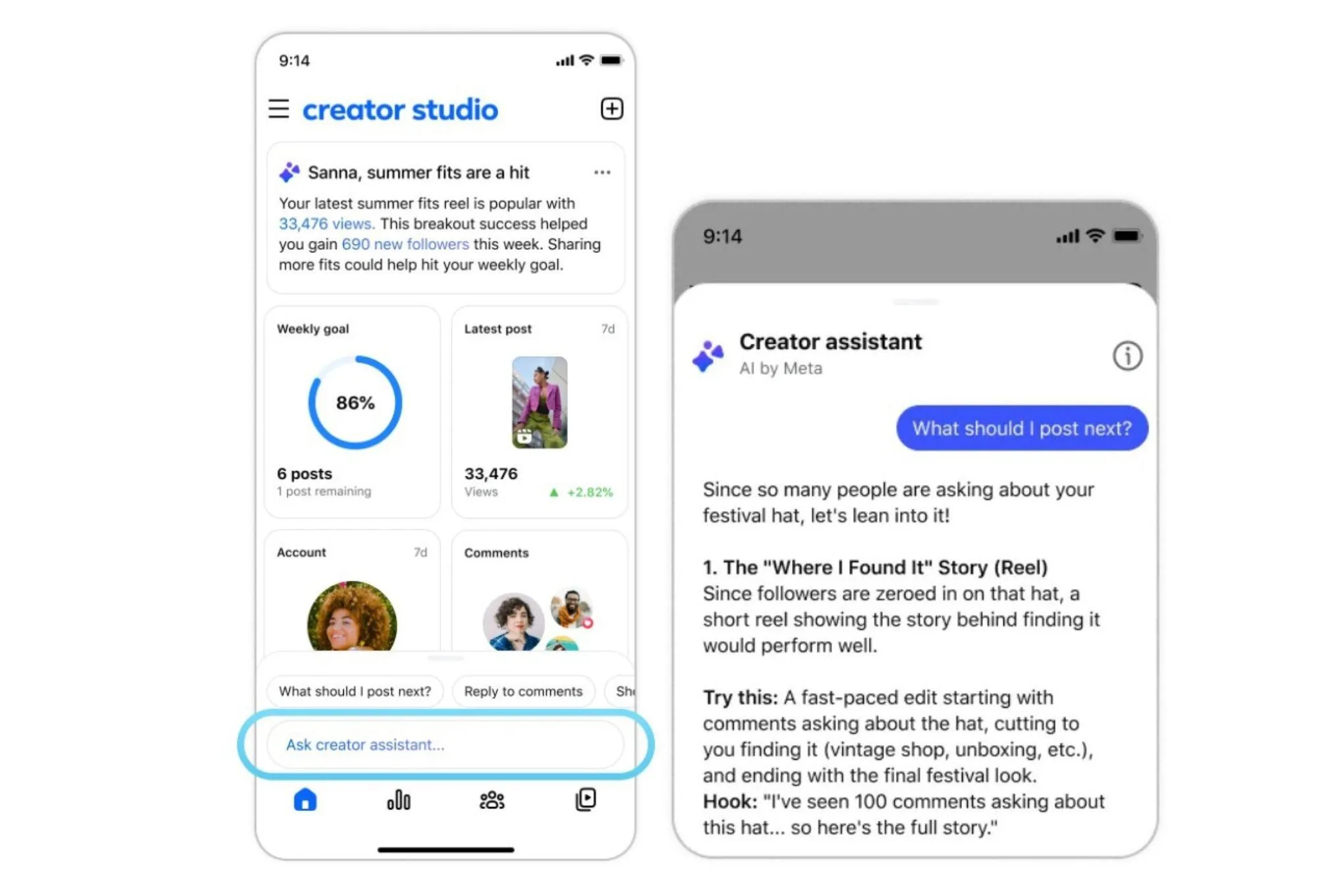
The original Creator Studio was shut down in 2023. Now it's back, rebuilt around an AI assistant that promises to grow your audience and reply to comments in your voice.
Sarah Williams · 26 Jun · 5 min
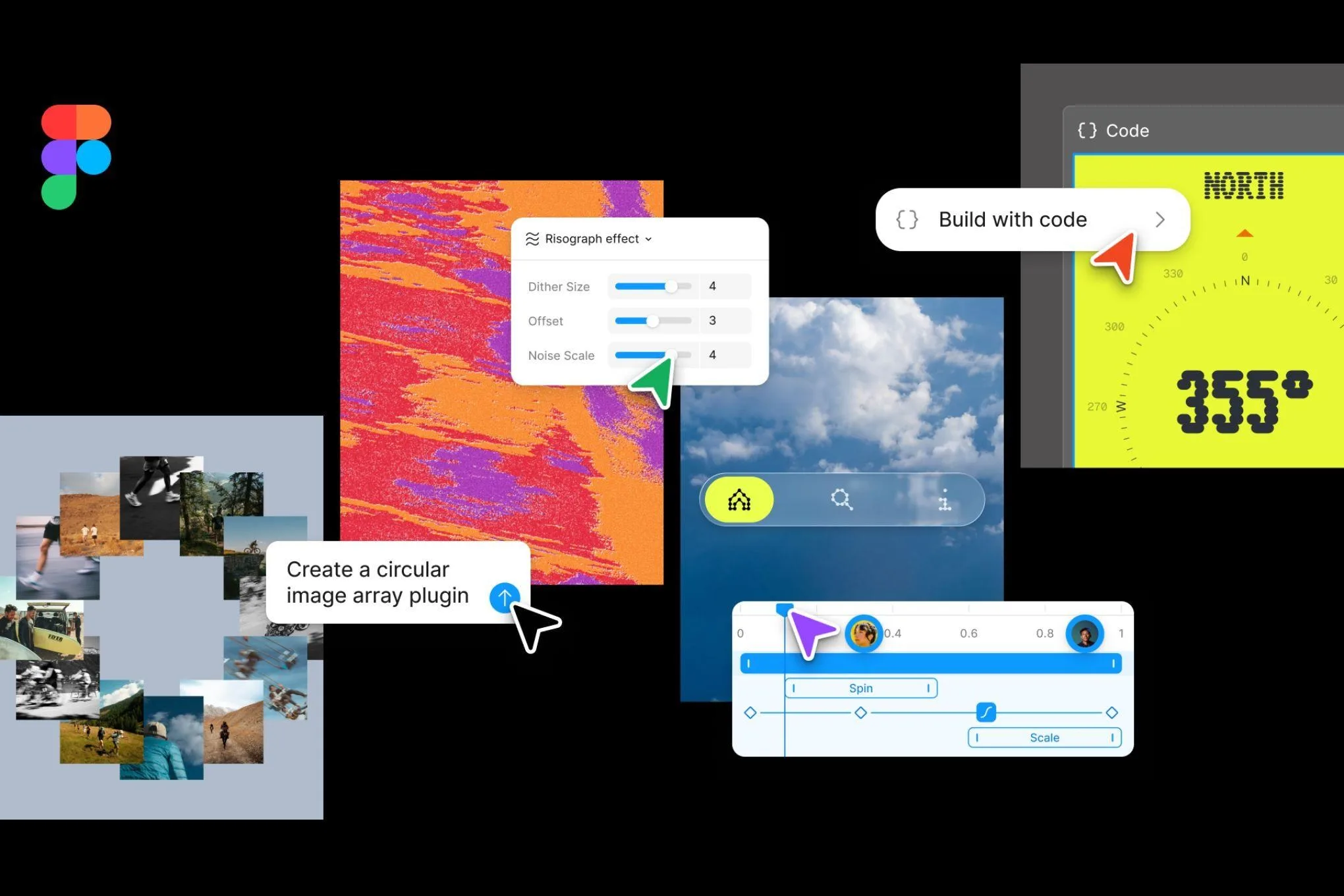
At its annual Config conference, Figma announced coding layers, AI-generated motion graphics, and a reimagined canvas that blurs the line between design and full-stack development.
Sarah Williams · 26 Jun · 5 min
Everyone talks about chips and models. The memory bottleneck is the part of the AI buildout that keeps getting underestimated, and Micron's latest earnings make that case hard to ignore.