What Does a Spanish Fiat Have to Do with Robotics? More Than You'd Think
Sometimes the best lessons in automation come from industries that have nothing to do with robots.
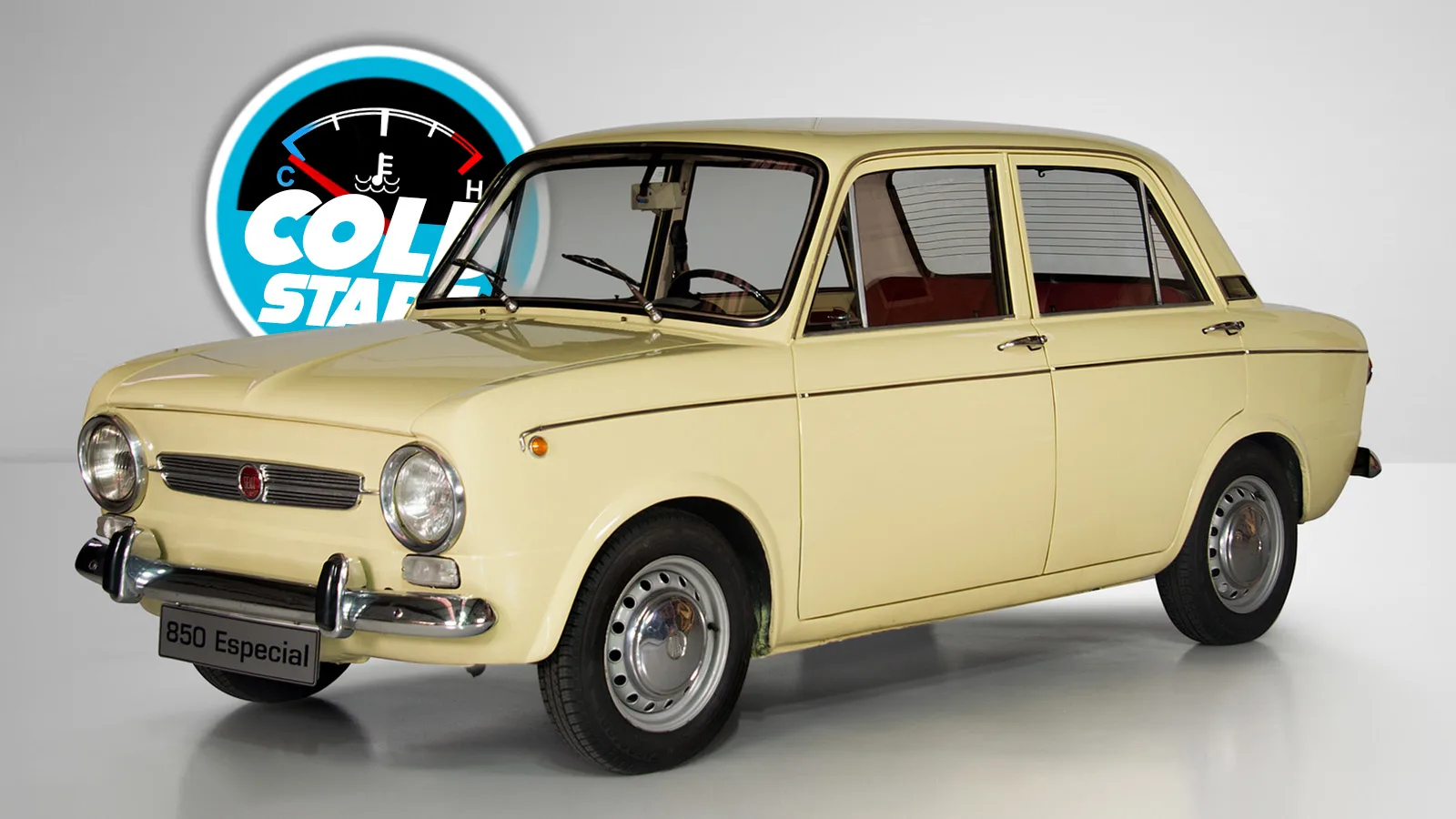
Crédito de imagen: Image via The Autopian — Autonomy. Used under fair use for news commentary. · source
Is there anything left to learn from the automotive industry that we haven't already absorbed into robotics?
I've been asking myself this question lately, mostly because I stumbled across something that got me thinking. The Autopian ran a piece about SEAT, Spain's biggest automaker, and their habit of taking Fiat designs and adding extra doors. Four-door versions of two-door cars. Sounds simple, maybe even trivial. But here's the thing: it wasn't.
The Art of Adaptation
When I was at Kuka, we had a running joke about "door syndrome." That's what we called it when a customer wanted us to take an existing robot cell and just, you know, make it do something slightly different. Add a function. Extend the reach. Handle a new part geometry. "Just add another door," we'd say.
SEAT was doing this in the 1950s and 60s with the Fiat 600. Spain was rebuilding after a devastating civil war, and they needed vehicles. They didn't have the luxury of designing from scratch, so they licensed Fiat designs and adapted them. The SEAT 600, then the 800 (which was basically a stretched 600 with, you guessed it, more doors). They took what existed and made it work for their market.
Now, I'll be honest, I'm not a car guy in the traditional sense. My colleague Werner at Siemens used to restore old BMWs and would talk my ear off about them. But this SEAT story stuck with me because it's exactly what we do in industrial automation, except we pretend it's more sophisticated.
The Licensing Model Nobody Talks About
Cobertura relacionada
More in Industrial
The Apple supplier priced its shares at the maximum and still had to turn away demand, which tells you something about where hardware money is flowing right now.
James Chen · 25 Jun · 5 min
Prime Day deals on Echos and Ring cameras are fine, but let's not confuse consumer gadgets with the serious robotics work happening in warehouses.
Robert "Bob" Macintosh · 25 Jun · 3 min
Amazon's CEO made his first India trip and left behind a $13 billion AI commitment and an aggressive quick-commerce expansion. The numbers are real. The execution is the hard part.
James Chen · 25 Jun · 6 min
A wave of arXiv preprints this week tackles one of manipulation's oldest problems: how do you get a robot to learn from imperfect, incomplete, or just plain missing data?