China's AI talent retention is the real story behind its robotics ambitions
Beijing isn't just building robots. It's building the workforce to keep building them, and that matters more than any single product launch.
Crédito de imagen: Image via source article. Used under fair use for news commentary. · source
Think of it like a factory floor. You can have the best machines in the world, but if your senior technicians keep walking out the door to competitors, you're not scaling anything. That's basically what China has figured out with AI talent, and it has implications for the global robotics race that most coverage is missing.
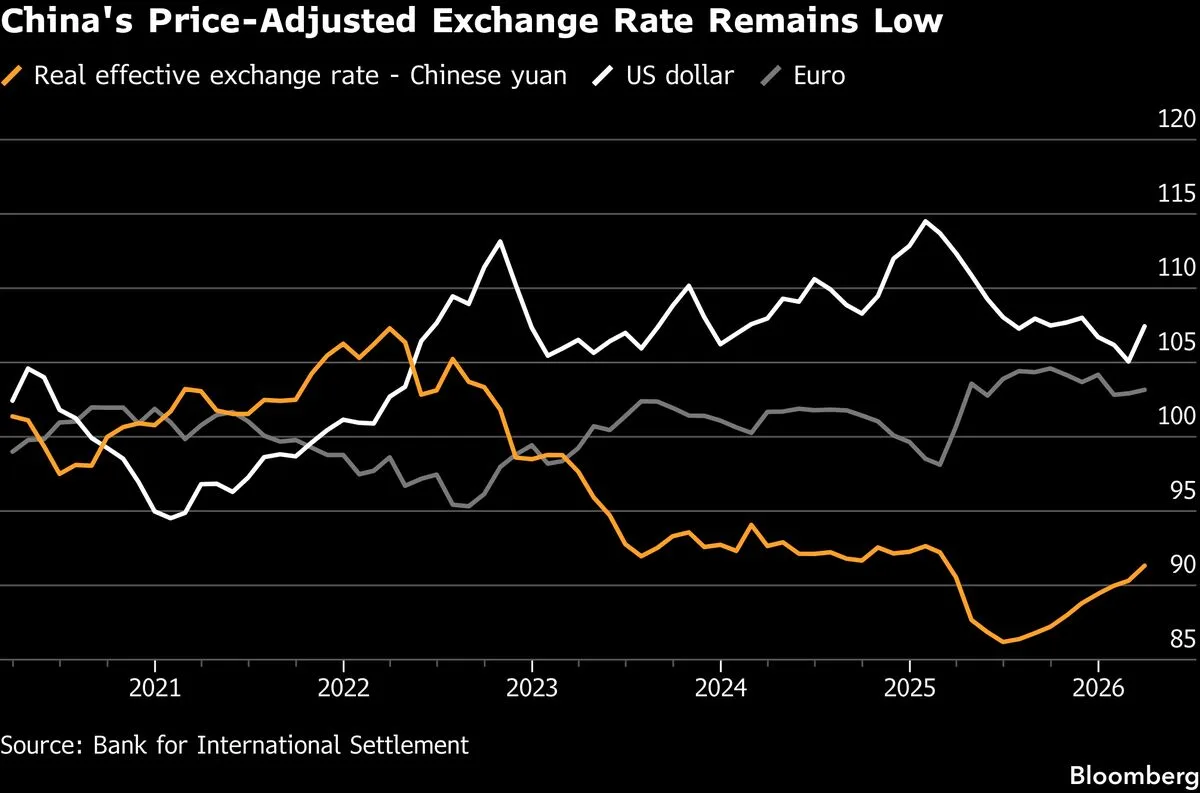
Two recent reports paint a picture that, frankly, should concern anyone tracking industrial automation outside China. TechCrunch notes that Beijing is increasingly keeping its top AI researchers domestic, while Bloomberg reports that global AI demand is boosting Chinese exports enough to make policymakers comfortable with a stronger yuan. Connect the dots: talent stays home, exports grow, currency strengthens, more capital flows into R&D. It's a flywheel.
What do the numbers actually say?
Neither report gives us exact figures on researcher retention rates, which is frustrating. From my time in hardware, I learned that the metrics companies don't share are usually the ones that matter most. What we do know: China's AI research output has grown substantially over the past five years, and anecdotally, the brain drain to Silicon Valley and European labs appears to be slowing.
The Bloomberg piece focuses on currency dynamics, but the robotics angle is buried in there. Global appetite for AI, they write, is driving a new wave of Chinese exports. That includes the physical hardware that runs AI workloads, and increasingly, the robots that AI workloads control. Look, currency policy isn't my beat, but when Beijing signals comfort with yuan appreciation, they're essentially saying: we have pricing power now. Our stuff is good enough that buyers will pay more.
Cobertura relacionada
More in Industrial
The Apple supplier priced its shares at the maximum and still had to turn away demand, which tells you something about where hardware money is flowing right now.
James Chen · 25 Jun · 5 min
Prime Day deals on Echos and Ring cameras are fine, but let's not confuse consumer gadgets with the serious robotics work happening in warehouses.
Robert "Bob" Macintosh · 25 Jun · 3 min
Amazon's CEO made his first India trip and left behind a $13 billion AI commitment and an aggressive quick-commerce expansion. The numbers are real. The execution is the hard part.
James Chen · 25 Jun · 6 min
A wave of arXiv preprints this week tackles one of manipulation's oldest problems: how do you get a robot to learn from imperfect, incomplete, or just plain missing data?