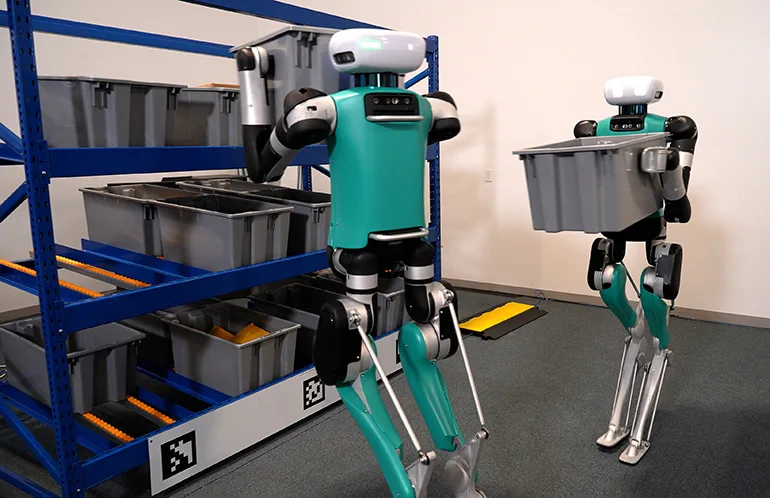
The Hidden Price Tag of Humanoid Robots: Why Hardware Is Only 30% of the Bill
New analysis reveals that integration, training, and organizational change consume up to 70 percent of humanoid deployment costs, reshaping how companies should budget for robotic workers.
Crédito de imagen: Photo via Unsplash. Free to use under Unsplash License. · source
What did the research find?
Companies planning to deploy humanoid robots may be dramatically underestimating their true costs. According to new findings reported by Google Research, the hardware itself represents only 30 to 40 percent of total deployment expenses. The remaining 60 to 70 percent goes toward integration, workforce training, and organizational change management.
The analysis, independently confirmed by VentureBeat, challenges a common assumption in the industry: that the sticker price of a humanoid robot reflects what it will actually cost to put one to work.
Why does integration cost so much?
Think of it like buying an electric vehicle. The car itself is one expense, but then you need charging infrastructure, possibly electrical upgrades to your home, and time to learn new driving habits. Humanoid robots present a similar situation, but amplified.
Integration encompasses everything required to connect a humanoid system to existing workflows. This includes software interfaces with warehouse management systems, safety infrastructure, sensor networks for navigation, and physical workspace modifications. Each facility presents unique challenges, and solutions rarely transfer cleanly from one deployment to the next.
What about training and change management?
Cobertura relacionada
More in Humanoids
The headlines are celebrating a $2.5B humanoid robotics deal. I'd pump the brakes a little.
Mark Kowalski · 25 Jun · 6 min
Sometimes the sources don't pan out. Here's what happened when I tried to write a humanoids story this week and ended up with Samsung deals instead.
Sarah Williams · 25 Jun · 3 min
Diffusion models are getting good at imagining robot movements, but 'imaginable' and 'physically possible' aren't the same thing. Researchers are starting to close that gap.
Sarah Williams · 25 Jun · 6 min
A batch of fresh robotics research tackles the same underlying problem from different angles: robots that can see but don't really understand where things are.