Crédito de imagen: Image via DroneDJ. Used under fair use for news commentary. · source
The DJI Air 3S is selling for under $1,000 this Prime Day. That's the news. But if you've been following the drone market for more than five minutes, you already know that the price drop isn't really the story here.
The story is why people are suddenly buying like the shelves might go empty.
I've seen this movie before. Not with drones specifically, but with any consumer tech category that gets tangled up in geopolitics, supply chain politics, and the kind of regulatory uncertainty that makes even experienced buyers nervous. You wait for the better deal. You tell yourself next quarter, next sale, next model cycle. And then one day the calculus changes on you and you're scrambling. The people buying DJI hardware right now aren't all impulsive. A lot of them have done the math and decided that waiting indefinitely for a better deal on DJI gear may not be the smartest move anymore.
DroneDJ put it plainly: the growing belief among buyers is that the window on DJI availability isn't guaranteed. That's not paranoia. That's paying attention to what's been happening in Washington for the last few years.
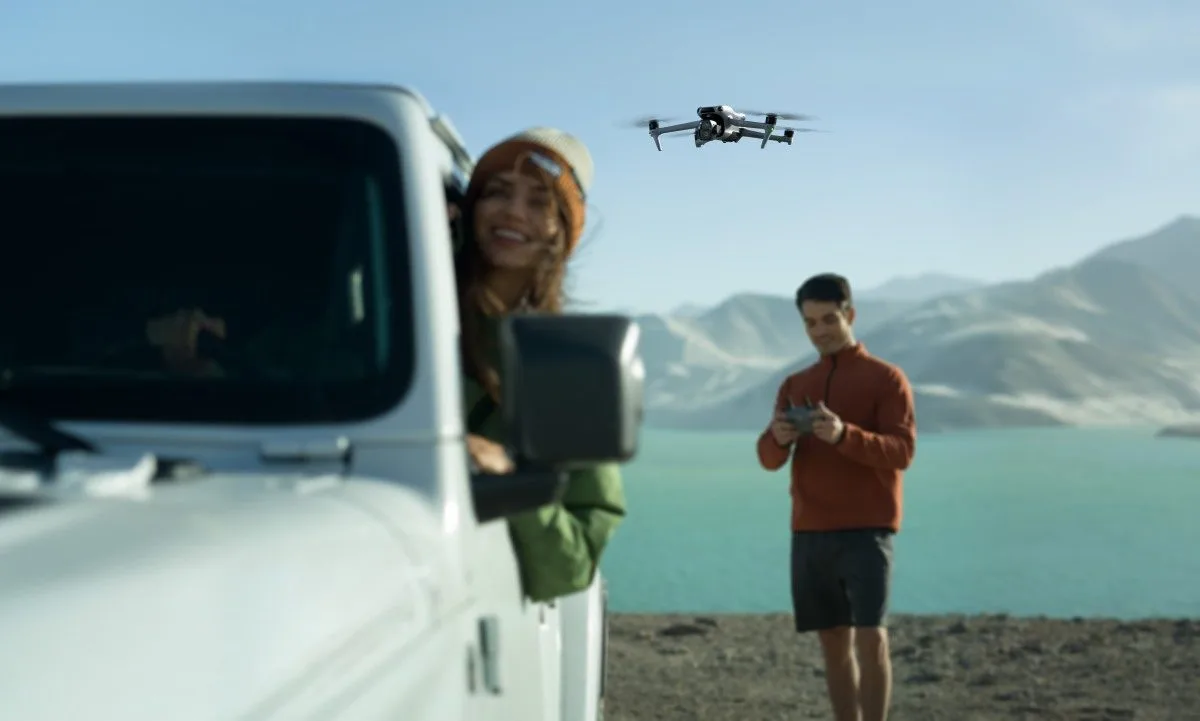
The Air 3S sits in what DJI calls its sweet spot, and honestly, it's a reasonable description. It's positioned above the Mini line, which is beginner-friendly and compact but limited, and below the Mavic lineup, which is excellent but commands a premium that a lot of hobbyists and semi-professional shooters can't justify. The Air 3S is the drone for the person who has grown past their first cheap quadcopter and knows what they want but isn't ready to drop two grand on a setup.
Cobertura relacionada
More in Drones
A pair of arXiv preprints tackle the same hard problem in drone control from very different angles. The results are promising, but the gap between 'outdoor experiment' and 'deployed system' remains large.
Aisha Patel · 25 Jun · 9 min
Procurement is the easy headline. Actually building enough drones, fast enough, with American parts, is the problem nobody's solved yet.
Mark Kowalski · 20 Jun · 7 min
The FCC just removed a narrow category of toy drones from its Covered List. It's a small move, but it tells you something about where the regulatory wind is blowing.
Robert "Bob" Macintosh · 18 Jun · 4 min
For under $1,000 during a Prime Day sale, that positioning makes more sense than it usually does.
Now, call me old-fashioned, but I'm always a little skeptical of the "this is the perfect middle-ground product" framing. Every product category has a version of this pitch. The mid-range laptop. The mid-range camera body. The mid-range car. Sometimes it's true and sometimes it's marketing. In this case, based on what DroneDJ and others have reported about the Air 3S specs and flight performance, it does seem like a genuinely capable machine and not just a stripped-down Mavic with a friendlier price tag.
The other drone worth mentioning in this Prime Day context is the DJI Flip, which DroneDJ covered separately as potentially the smartest deal of the sale. The Flip is aimed squarely at first-time buyers who've been burned by the two extremes: the ultra-cheap drone that falls apart or frustrates you within a month, and the expensive flagship that you're terrified to actually fly because every tree branch looks like a $1,200 mistake. The Flip is designed to live in that middle space for newer pilots, the same way the Air 3S does for more experienced ones.
The key points on both deals, as things stand:
The Air 3S is currently priced under $1,000 during Prime Day, down from its standard retail position above that threshold
The Flip is being positioned as the entry-level buy for people who want to grow into the hobby without immediately outgrowing their hardware
Both deals are Prime Day specific, so the window is limited
The broader context driving urgency is ongoing uncertainty around DJI's status in the U.S. market, which remains tied to regulatory and legislative developments that haven't fully resolved
DJI still dominates the consumer and prosumer drone market in a way that has no obvious near-term competitor
That last point matters. I've watched a lot of tech categories where the dominant player gets threatened by policy or competition and the market scrambles to find alternatives, and usually the alternatives aren't actually ready. The drone market right now has some challengers but nothing that competes with DJI's combination of software, hardware, and price at scale. So if you're a buyer who wants a capable drone and you've been waiting, the question isn't really "is there a better option." It's "how long do I want to gamble on availability."
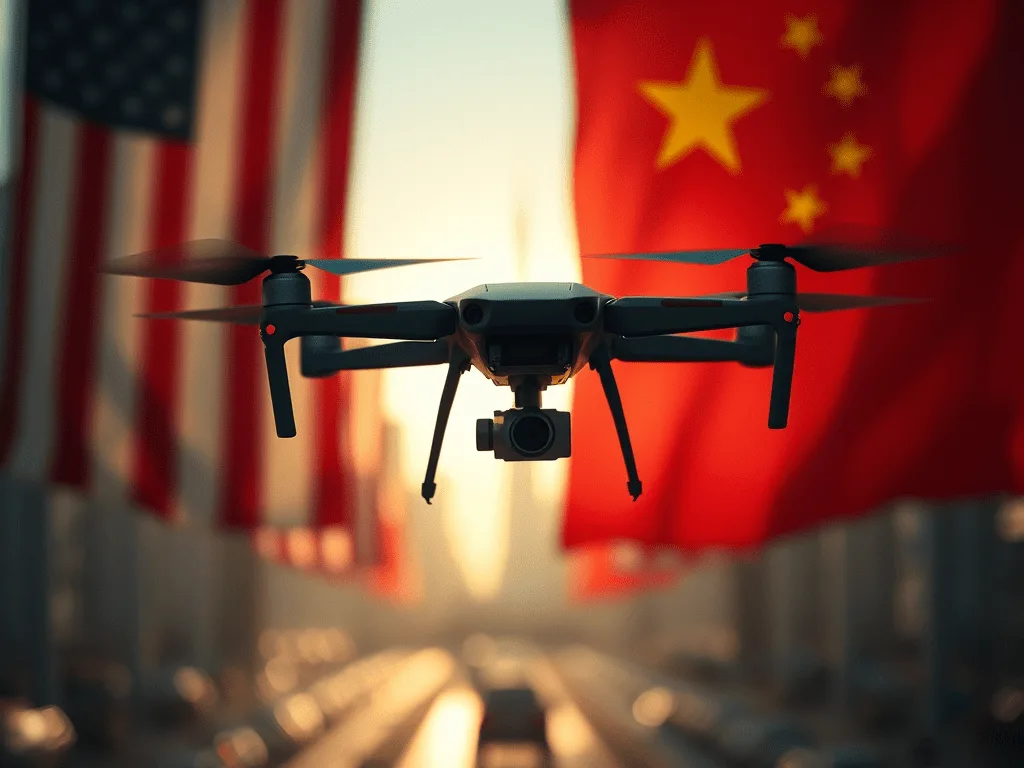
This is sort of the situation the market has been building toward for a while. DJI's regulatory exposure in the U.S. has been a running story since at least 2020, with various national security concerns raised by lawmakers and agencies, and the company's products ending up on restricted lists that affected government and law enforcement procurement. The consumer side has been less directly affected, but the uncertainty has a way of bleeding into buyer psychology even when no purchase ban is actually in place.
It's too early to say whether the current urgency among buyers reflects a real near-term risk or just anxiety that's been amplified by a few news cycles. I only found two sources on the specific Prime Day deals here, and neither was making definitive claims about what happens to DJI availability after the summer. What they were noting, accurately, is that buyers aren't behaving like people who think they have unlimited time.
For what it's worth, the Prime Day framing is doing a lot of work in both these articles. Amazon's sale creates urgency on its own, and layering regulatory anxiety on top of a ticking-clock sale is a potent combination for getting people to stop deliberating and just buy the thing. I'm not saying that framing is wrong. The underlying concern about DJI's market position is real and has been real for years. But it's worth separating the genuine strategic calculus from the classic Prime Day pressure tactics, because those two things are getting mixed together in a way that benefits retailers regardless of what actually happens with DJI policy.
The honest answer is that nobody knows how the regulatory situation resolves. DJI has been navigating this for years without a consumer purchase ban materializing, and the company has made various moves to address U.S. concerns about data security and manufacturing. Whether those moves are sufficient to satisfy lawmakers in the current political climate is genuinely unclear. The people buying Air 3S units this week might be making a smart preemptive call. Or they might look back in two years and realize the window they were worried about never actually closed.
But here's the thing. Even setting aside all the geopolitical noise, the Air 3S under $1,000 is a decent deal on a capable drone. If you were going to buy one anyway, buying it now isn't irrational. The regulatory anxiety is a reason to move faster, not a reason to buy something you wouldn't have bought otherwise. Those are different decisions and it's worth keeping them straight in your head before you hit checkout.
The young founders and tech optimists will tell you the drone market is about to get disrupted by domestic competitors and that DJI's dominance is temporary. Maybe! I've heard that story about a lot of categories. Sometimes the disruptor shows up on schedule and sometimes you're still waiting a decade later. Right now, in mid-2026, DJI still makes the drones that most people actually want to fly, and that's the reality buyers are working with.
If you want to argue about it, my email's on the about page.