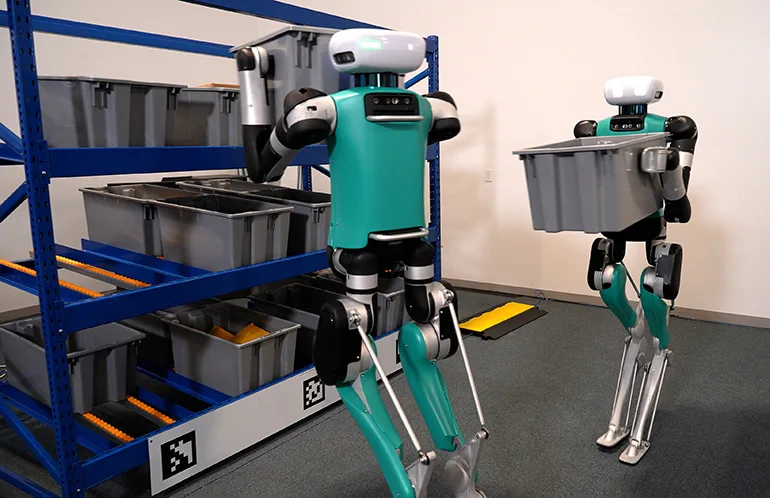
Apptronik, the Austin-based company behind the Apollo humanoid robot, has raised fresh capital and announced a significant strategic shift: the company is narrowing its focus exclusively to logistics and warehouse applications.
The pivot, reported by both The Verge and Wired, marks a departure from the company's earlier vision of building humanoids for multiple industries. It is a move that says as much about the current state of the humanoid robotics market as it does about Apptronik's own trajectory.
Building a general-purpose humanoid robot is extraordinarily difficult. The technical challenges multiply when you try to make a single platform work across manufacturing floors, healthcare facilities, retail environments, and homes. Each setting demands different capabilities, safety certifications, and integration requirements.
By focusing on logistics alone, Apptronik can optimize Apollo for a specific set of tasks: moving boxes, picking items, navigating warehouse environments. Think of it like the difference between building a Swiss Army knife and building a really excellent screwdriver. The screwdriver will always be better at driving screws.
The pivot reflects a broader reality facing humanoid robotics companies. Despite enormous investments and ambitious timelines, the path to commercial deployment remains uncertain. Logistics offers something rare in this space: customers with immediate needs, clear use cases, and willingness to pay.
Warehouses are also relatively controlled environments compared to, say, homes or hospitals. The floors are flat, the lighting is consistent, and the objects being handled follow predictable patterns. This makes the technical problem more tractable.
Apptronik's new capital gives it runway to prove the logistics thesis. Success here would validate the vertical-first approach and potentially open doors to expansion later. Failure would raise questions about whether humanoids can compete with purpose-built warehouse automation that has been refined over decades.
Other humanoid makers will be watching closely. If Apptronik gains traction, expect more companies to abandon their "humanoids everywhere" messaging in favor of targeted applications. The era of humanoid robots may arrive not with a grand entrance across all industries, but through a side door marked "shipping and receiving."