Bildnachweis: Image via Source article. Used under fair use for news commentary. · source
Wall Street's projection that SpaceX's artificial intelligence division will achieve 100 times revenue growth by 2030 is, on its face, extraordinary. It is also, to be precise, almost entirely unverifiable based on publicly available information.
I want to be clear about something before diving in: I am not saying this projection is wrong. SpaceX has consistently defied expectations. What I am saying is that the analytical foundation for such a claim deserves far more scrutiny than it appears to be receiving, particularly when it is being used to justify a targeted $1.8 trillion valuation for the company's upcoming IPO.
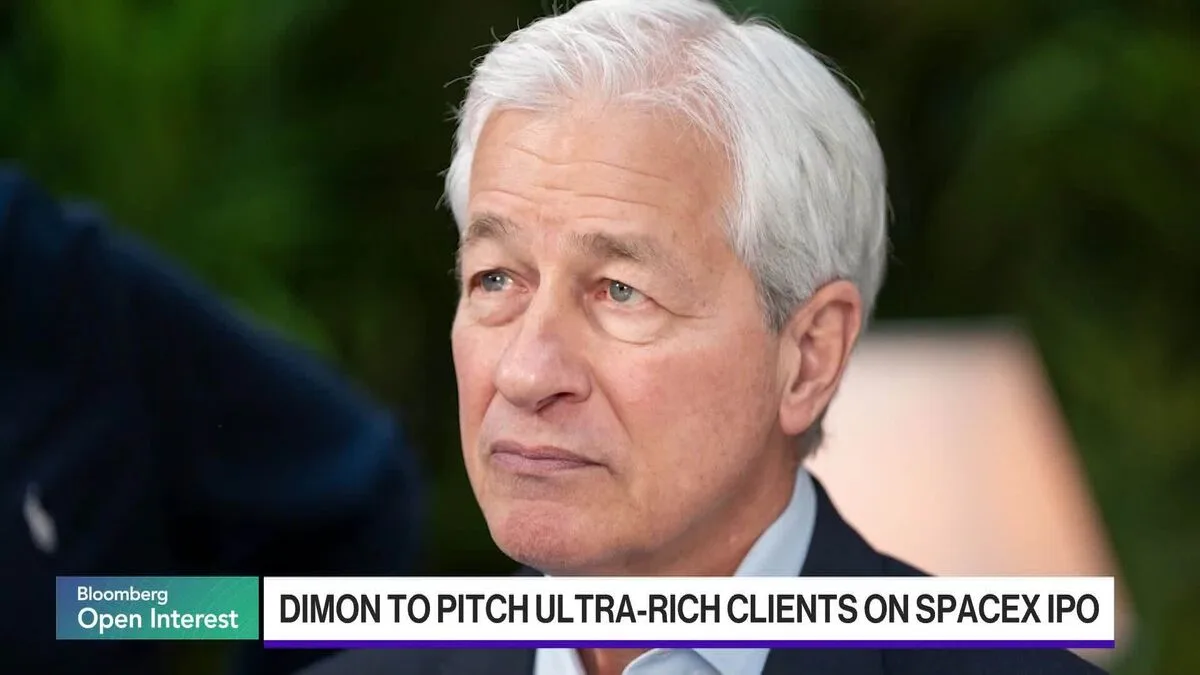
According to Bloomberg, research analysts across Wall Street are telling prospective IPO buyers that their models anticipate this extraordinary growth trajectory. JPMorgan Chase CEO Jamie Dimon will personally pitch the offering to some of the bank's wealthiest clients, joined by SpaceX executives.
Here is what remains unclear, and I know I'm being picky here, but these details matter enormously:
What is SpaceX's current AI revenue baseline? A 100x multiple means very different things if you're starting from $50 million versus $500 million.
Which specific AI capabilities are being valued? Starlink's network optimization? Autonomous landing systems? Something else entirely?
What assumptions about market size, competition, and regulatory environment underpin these models?
Verwandte Beiträge
More in AI Models
Chipmakers swung wildly this week, from a Tuesday 'chip-wreck' to a Micron-led surge after hours. What's actually going on with AI's hardware backbone?
Sarah Williams · 26 Jun · 5 min
The original Creator Studio was shut down in 2023. Now it's back, rebuilt around an AI assistant that promises to grow your audience and reply to comments in your voice.
Sarah Williams · 26 Jun · 5 min
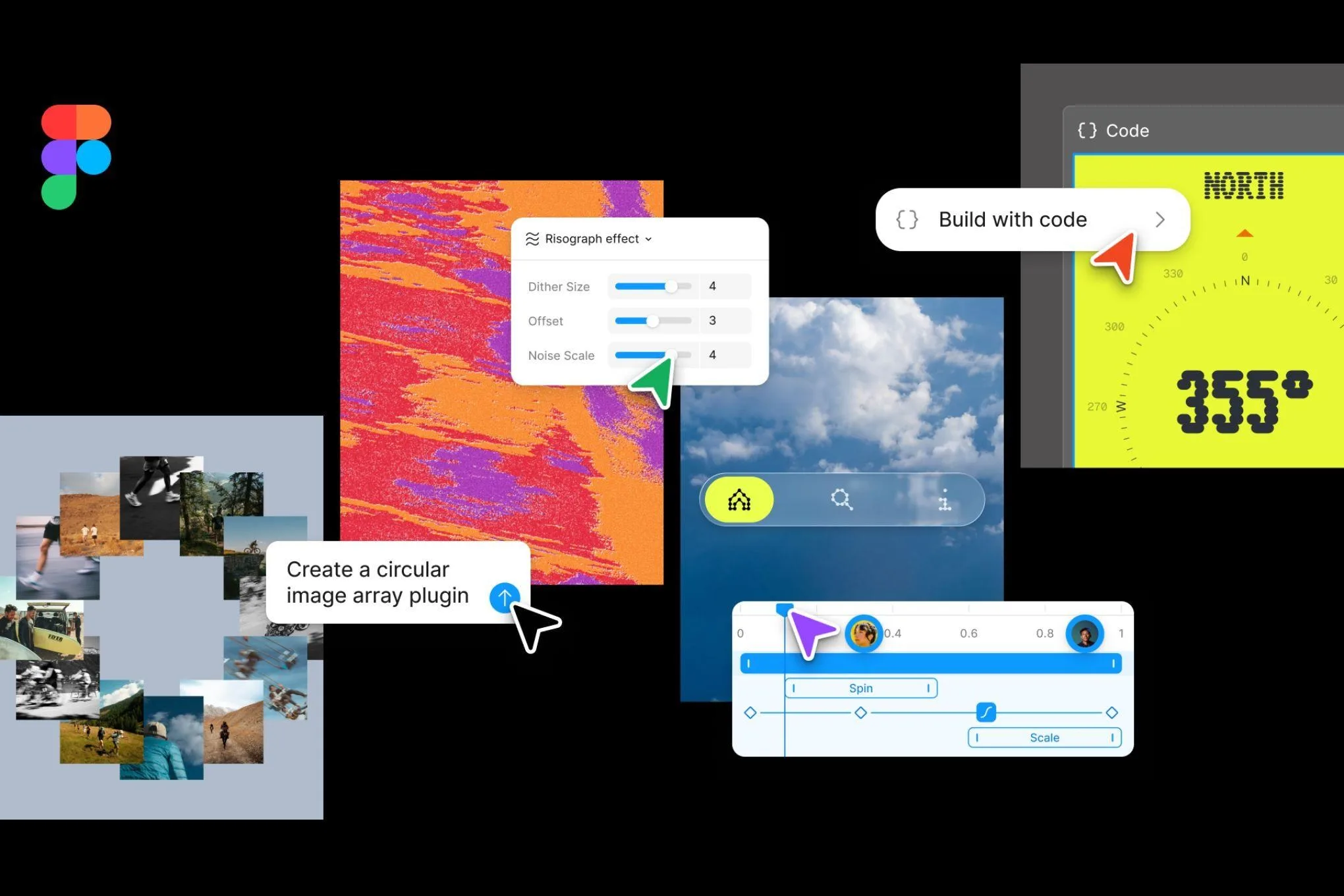
At its annual Config conference, Figma announced coding layers, AI-generated motion graphics, and a reimagined canvas that blurs the line between design and full-stack development.
Sarah Williams · 26 Jun · 5 min
Everyone talks about chips and models. The memory bottleneck is the part of the AI buildout that keeps getting underestimated, and Micron's latest earnings make that case hard to ignore.
Have any of these projections been subjected to independent technical review?
The absence of this information is not unusual for pre-IPO companies. But the confidence with which these projections are being presented deserves, at minimum, a raised eyebrow.
SpaceX's AI work is genuinely impressive. The company's autonomous rocket landing systems represent real engineering achievement, the kind of closed-loop control problem that researchers have studied for decades. Their Starlink constellation requires sophisticated AI for network management, satellite coordination, and interference mitigation. These are not trivial capabilities.
But there is a significant gap between "impressive engineering" and "100x revenue growth in four years." Actually, the research literature on AI commercialization timelines suggests that translating technical capability into revenue at that scale typically requires either massive existing market penetration or the creation of entirely new market categories. It is too early to say which path SpaceX's AI division might take, or whether either is realistic on this timeline.
I should note a limitation here: I only found two sources covering this specific projection, and neither provided the underlying methodology. This is based on limited data, and I would welcome more detailed analyst reports that show their work.
(A methodological aside: when I see projections like this, I instinctively look for comparable growth trajectories in adjacent industries. The closest analogue might be cloud computing revenue growth at AWS or Azure, which did achieve extraordinary multiples but over longer timeframes and with very different cost structures. SpaceX's AI division would need to outpace those trajectories significantly.)
The timing of this IPO pitch is worth considering. Jamie Dimon's personal involvement signals that JPMorgan views this as a flagship offering. When a CEO of his stature is directly pitching clients, the reputational stakes for the bank are substantial. This does not mean the projections are sound, but it does suggest the bank has significant confidence in the deal's success, or at least in its ability to generate fees.
Some argue that SpaceX's track record of exceeding expectations makes aggressive projections reasonable. Others counter that past performance in rocket engineering does not automatically translate to AI market dominance, particularly in a field where competition from established players (Google, Microsoft, Amazon, and increasingly Meta and Apple) is intensifying rather than diminishing. The honest answer is that we don't know yet which view will prove correct.
What would I want to see next? Three things, primarily.
First, disclosure of the current revenue baseline. Without this, the 100x figure is meaningless. A projection without a starting point is not a projection; it is a gesture.
Second, some indication of the technical moat. What specifically does SpaceX's AI division do that competitors cannot replicate? Is it proprietary data from Starlink? Custom hardware? Novel algorithms? The durability of any AI revenue stream depends heavily on defensibility.
Third, independent technical assessment. Wall Street analysts are skilled at financial modeling, but AI capability assessment requires domain expertise that most financial institutions do not have in-house. I have not seen evidence that these projections have been validated by researchers with relevant technical backgrounds.
The sample size for successful space-company IPOs is small. Actually, it is essentially zero in the modern era at this scale. Virgin Galactic's post-IPO trajectory offers a cautionary tale about the gap between valuation enthusiasm and operational reality, though SpaceX's business fundamentals are admittedly stronger.
I am not suggesting investors should avoid this offering. I am suggesting that the AI growth projections specifically should be treated as highly speculative until more information becomes available. The difference between a $1.8 trillion valuation being reasonable and being wildly optimistic may hinge entirely on whether this AI revenue trajectory materializes.
It's worth noting that SpaceX has surprised skeptics before. Repeatedly. The company's ability to achieve vertical landing, to scale Starlink deployment, to reduce launch costs, all of these exceeded what many (myself included, in some cases) thought possible. There is a reasonable argument that betting against SpaceX has historically been a losing proposition.
But there is a difference between betting against SpaceX's engineering capability and questioning the precision of revenue projections four years out in a rapidly evolving market. The former has a poor track record. The latter is just basic analytical hygiene.
For now, prospective investors should ask their advisors a simple question: show me the model. If the answer is vague, that tells you something important about the foundation these projections rest on.