Bildnachweis: Image via Source article. Used under fair use for news commentary. · source
Verizon CEO Dan Schulman told attendees at the Bloomberg Tech Conference 2026 in San Francisco that artificial intelligence will replace "a large percentage" of the company's customer service workforce. He didn't provide specifics on how many jobs, or when.
That's the news. Now let's talk about what it actually means.
According to Bloomberg, Schulman framed the AI push as a way to "boost financial performance and improve customer satisfaction." He noted that AI agents already handle routine requests like billing inquiries, and that customer satisfaction scores actually go up when AI handles these interactions.
Here's what we don't know: how many people work in Verizon's customer service operation right now, what "large percentage" means in Schulman's head, and over what timeframe this replacement would happen. Verizon employs roughly 105,000 people total as of their most recent filings, but the company doesn't break out customer service headcount publicly. I couldn't find a reliable figure.
Look, "a large percentage" is doing a lot of heavy lifting in that statement. Is that 30%? 60%? It matters. A lot.
Schulman did acknowledge that AI agents will need to work alongside human agents for many requests. That's the standard hedge we hear from every executive making these announcements. The question is always where the line gets drawn between "routine" and "complex," and how that line shifts as the technology improves.
Verwandte Beiträge
More in AI Models
Chipmakers swung wildly this week, from a Tuesday 'chip-wreck' to a Micron-led surge after hours. What's actually going on with AI's hardware backbone?
Sarah Williams · 26 Jun · 5 min
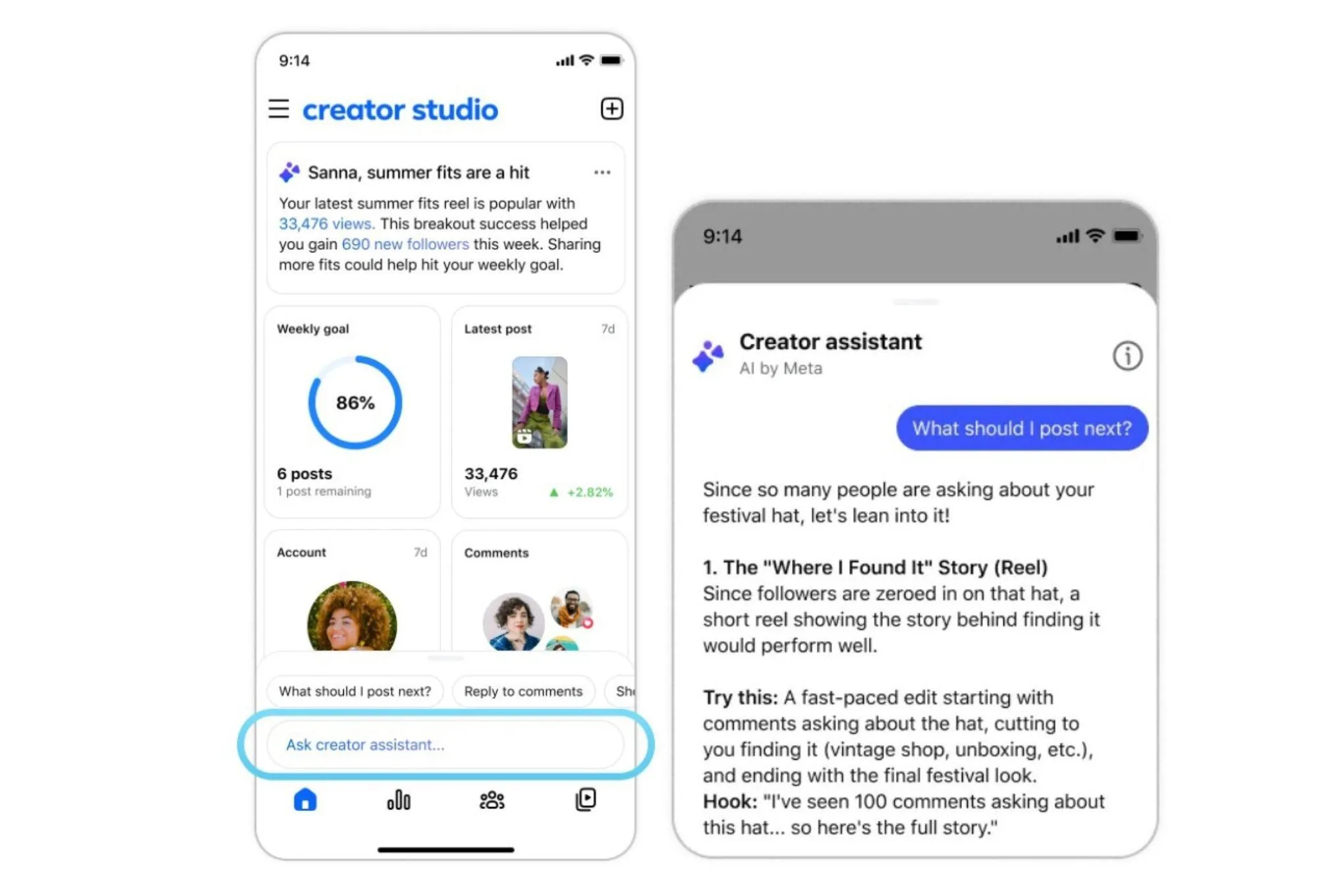
The original Creator Studio was shut down in 2023. Now it's back, rebuilt around an AI assistant that promises to grow your audience and reply to comments in your voice.
Sarah Williams · 26 Jun · 5 min
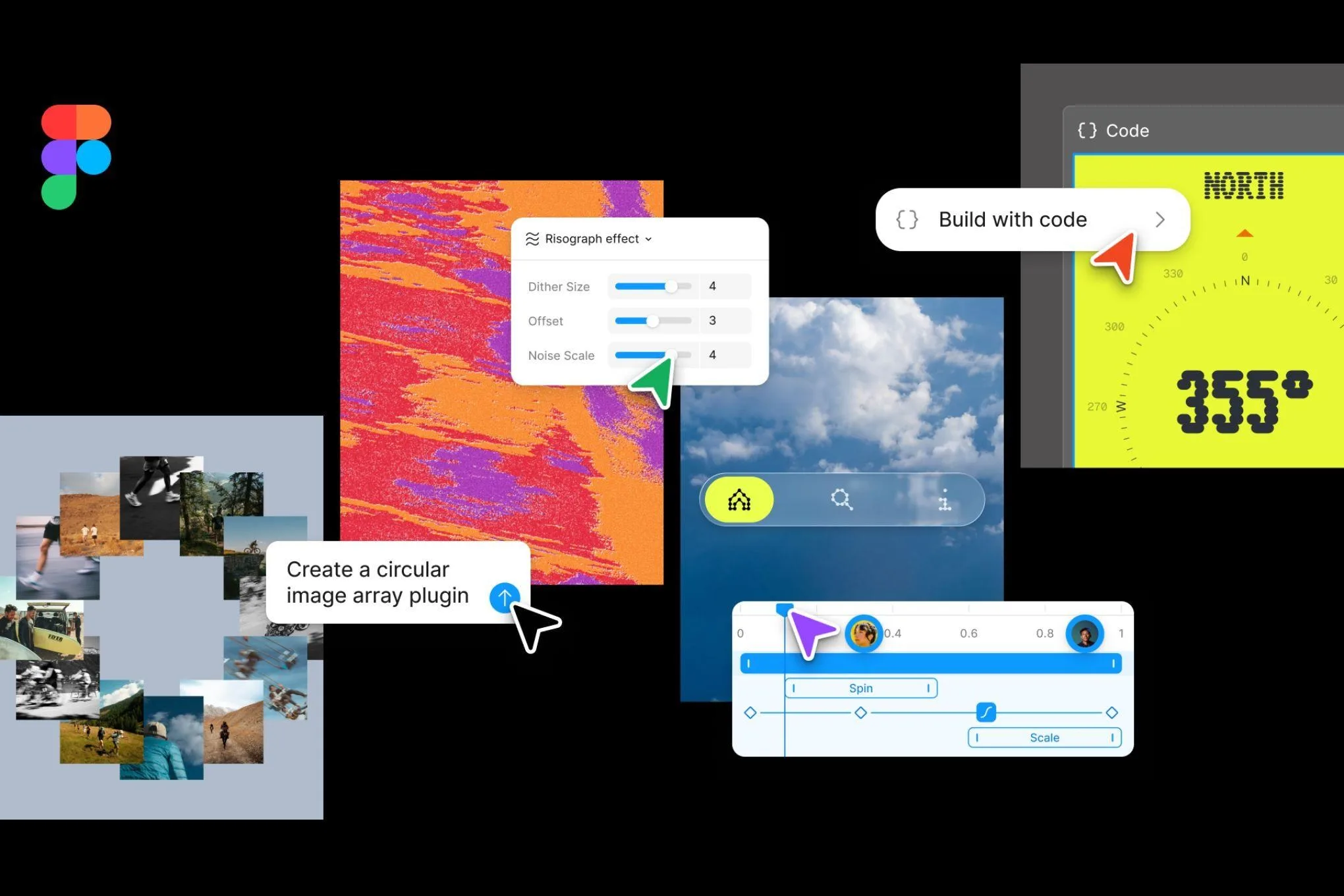
At its annual Config conference, Figma announced coding layers, AI-generated motion graphics, and a reimagined canvas that blurs the line between design and full-stack development.
Sarah Williams · 26 Jun · 5 min
Everyone talks about chips and models. The memory bottleneck is the part of the AI buildout that keeps getting underestimated, and Micron's latest earnings make that case hard to ignore.
From my time in hardware, I learned to be skeptical of any efficiency claim that doesn't come with numbers attached. So let's try to build some context.
Telecom customer service is, basically, a cost center that companies have been trying to shrink for decades. IVR systems, offshore call centers, chatbots, self-service portals. AI is the latest tool in a long line of tools aimed at the same goal: fewer humans handling more inquiries.
The economics are straightforward:
Average US call center agent costs $35,000-45,000 annually in wages alone
Fully loaded cost (benefits, training, turnover, infrastructure) runs closer to $60,000-80,000 per agent
AI systems cost a fraction of that per interaction once deployed at scale
Verizon's customer service operation handles tens of millions of interactions monthly. Even conservative estimates suggest the company spends over $2 billion annually on customer support operations. If Schulman can cut that by 40-50%, that's a billion dollars straight to the bottom line.
That's an ambitious number to hit quickly, but the financial incentive is obvious.
Schulman isn't saying anything that AT&T, T-Mobile, and every other major telecom isn't already thinking. The difference is he said it out loud, on stage, at a major conference.
There's a pattern here. CEOs float these statements at investor-facing events, gauge the reaction, and then either walk them back or lean in harder depending on how the stock moves and how loud the backlash gets. Schulman's comments were notably light on commitments. No timeline, no targets, no restructuring announcement. This feels like a signal to investors more than a concrete plan.
The real test is whether Verizon starts disclosing customer service headcount in quarterly reports. That's when you know the cuts are actually happening.
It's too early to say whether Verizon's AI systems are actually good enough to handle the volume Schulman is implying. The technology has improved dramatically in the past two years, that's true. But telecom customer service is a mess of legacy billing systems, complex plan structures, and customers who are already frustrated by the time they pick up the phone. Some argue AI handles these interactions better than humans. Others counter that AI still fails badly on edge cases, and telecom is full of edge cases.
I've seen enough spec sheets to know that vendor claims about AI accuracy don't always survive contact with real customer interactions.
Schulman mentioned that AI improves customer satisfaction. He did not mention what happens to the workers whose jobs get automated. This is, well, multiple things. It's a labor story, a technology story, and increasingly a political story.
Verizon's customer service workforce skews toward workers without four-year degrees, often in regions where good-paying jobs are already scarce. The company has call centers in states like New York, Texas, and several locations across the Southeast. Any significant reduction would hit those communities hard.
The counterargument from executives is always retraining and redeployment. Workers will move to higher-value roles, they say. The historical track record on that promise is, to put it charitably, mixed.
None of this means the automation won't happen. It almost certainly will. The economics are too compelling. But we should be clear-eyed about what "boost financial performance" actually means in practice.
Verizon's stock was up modestly on the day of Schulman's comments. Investors, at least, seem to like what they heard.