Bildnachweis: Image via Bloomberg — Technology. Used under fair use for news commentary. · source
Think about how oil markets work. Buyers and sellers don't just negotiate one-off deals in the dark. They use standardized contracts, published benchmark prices, and futures instruments to hedge against volatility. A refinery in Texas can lock in crude prices six months out. That predictability is worth enormous amounts of money to the global economy.
GPU compute, right now, works nothing like that. Prices swing wildly. Procurement is largely opaque. A startup trying to budget for a six-month training run has basically no reliable way to hedge against the cost moving against them. Carmen Li wants to fix that, and the infrastructure she's building is more technically complicated than most coverage of this story has made clear.
Li is the CEO of two separate but connected companies: Silicon Data, which is constructing a GPU pricing index, and Compute Exchange, a spot marketplace for GPU procurement. Don Wilson, the founder of trading firm DRW, is working alongside her at Compute Exchange. Wilson floated the idea of a GPU market potentially exceeding oil in scale when he spoke to Bloomberg roughly a year ago. The fact that Li is now operational with two companies suggests this has moved past the whiteboard stage, at least structurally.
The two-company structure is worth pausing on. Silicon Data handles the index, meaning the benchmark price that everyone would theoretically reference. Compute Exchange handles the actual marketplace where compute gets bought and sold. These are distinct problems. You need a credible, tamper-resistant index before you can build derivatives on top of it, the same way you need WTI or Brent as a reference price before oil futures make any sense. Li appears to understand that sequencing.
Verwandte Beiträge
More in AI Models
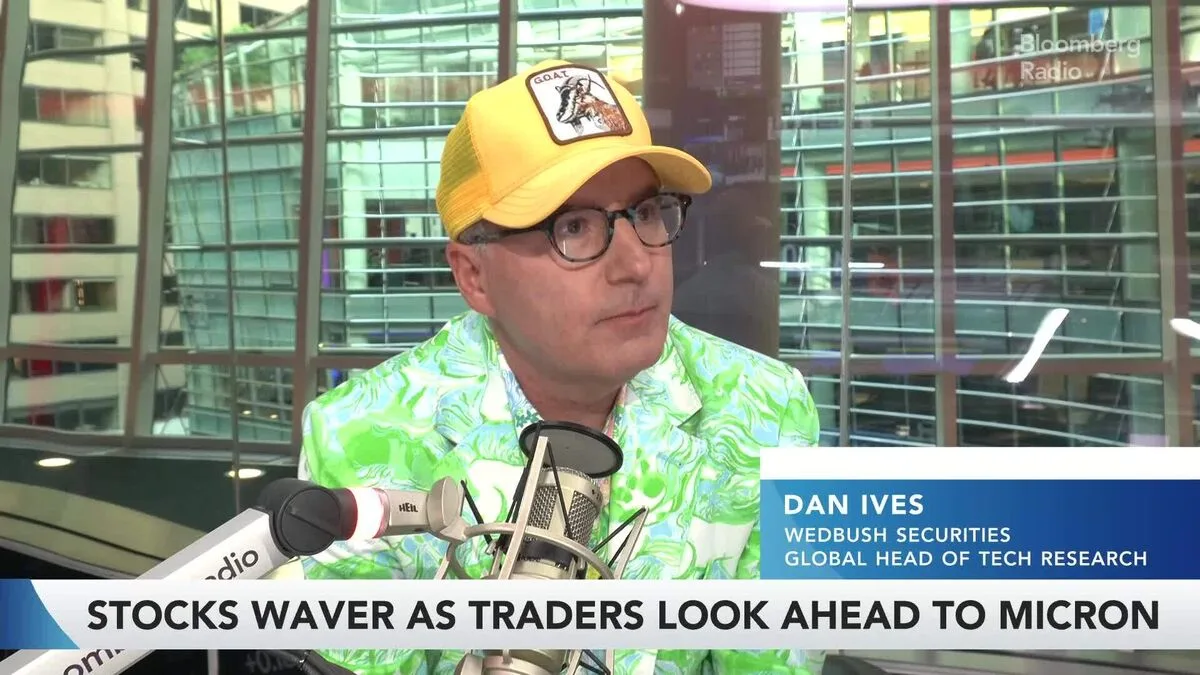
Chipmakers swung wildly this week, from a Tuesday 'chip-wreck' to a Micron-led surge after hours. What's actually going on with AI's hardware backbone?
Sarah Williams · 26 Jun · 5 min
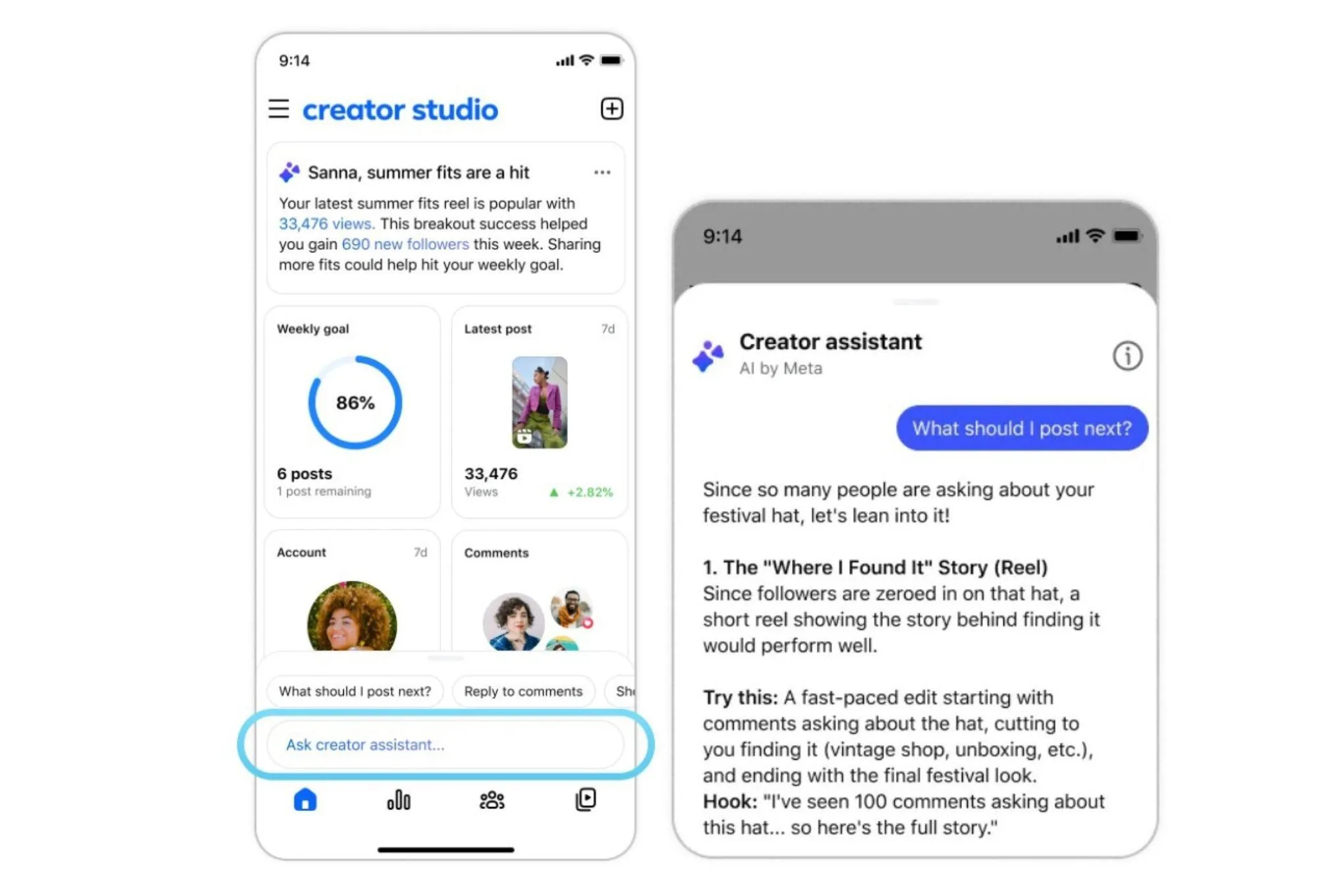
The original Creator Studio was shut down in 2023. Now it's back, rebuilt around an AI assistant that promises to grow your audience and reply to comments in your voice.
Sarah Williams · 26 Jun · 5 min
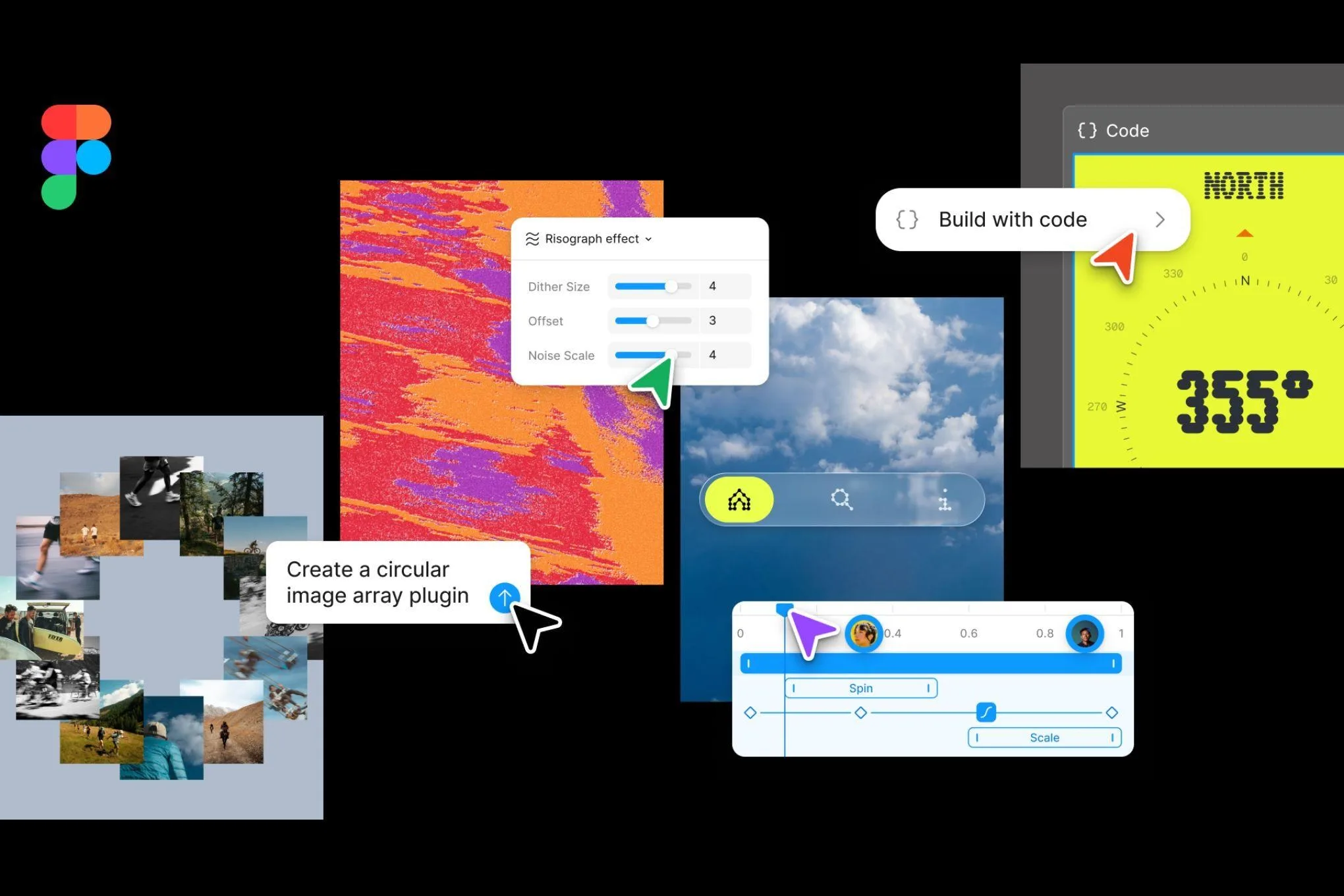
At its annual Config conference, Figma announced coding layers, AI-generated motion graphics, and a reimagined canvas that blurs the line between design and full-stack development.
Sarah Williams · 26 Jun · 5 min
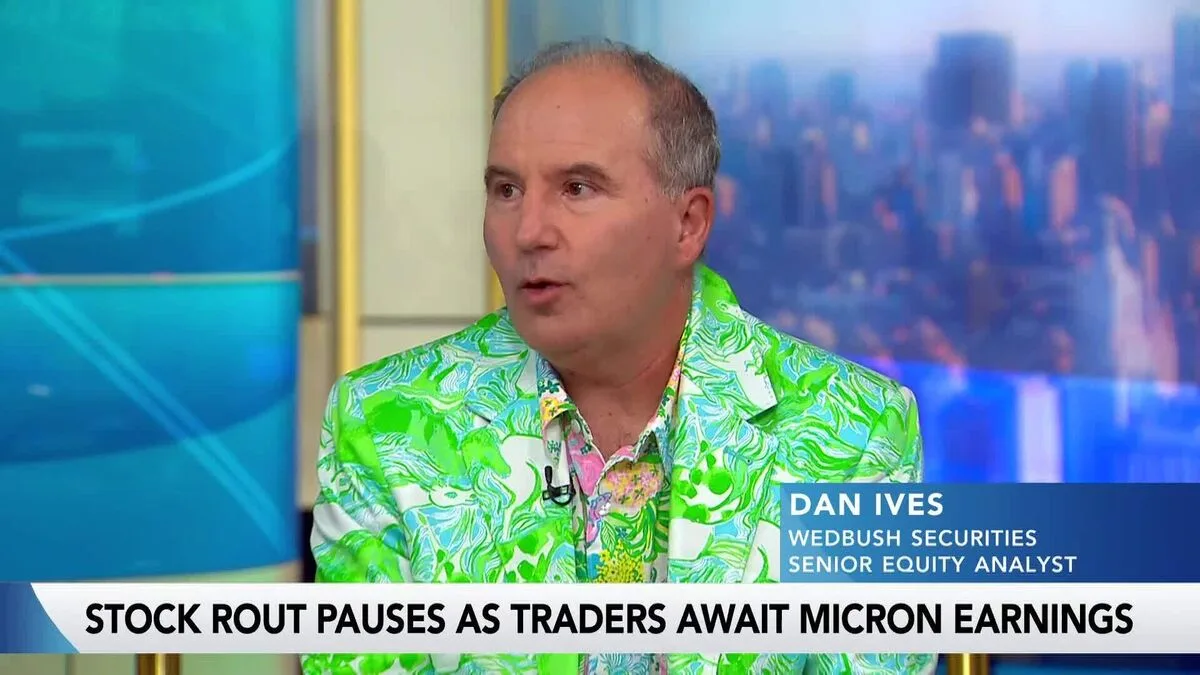
Everyone talks about chips and models. The memory bottleneck is the part of the AI buildout that keeps getting underestimated, and Micron's latest earnings make that case hard to ignore.
This is where it gets technically interesting, and also where the hard problems live.
With oil, a barrel is a barrel, more or less. There are grades and quality differentials, but the commodity is fungible enough that standardization is tractable. GPUs are not barrels. An H100 running at full utilization in a well-cooled, low-latency data center is a meaningfully different product than an H100 sitting in a facility with thermal throttling issues and a congested network fabric. From my time in hardware, I can tell you that the gap between a GPU's theoretical FLOPS and its real-world throughput in a production cluster is not trivial. Interconnect topology, memory bandwidth utilization, cooling headroom, these all matter enormously.
So when you're building a GPU index, you're not just tracking the price of a chip. You're trying to define what a unit of compute actually is in a way that's consistent enough to be contractually meaningful. That's a genuinely hard standardization problem, and it remains unclear exactly how Silicon Data is solving it. The index methodology hasn't been made fully public, as far as I can find.
The Bloomberg discussions also touched on used GPUs and whether they're analogous to used cars. That's a useful mental model for understanding the depreciation and condition-variance problem, but I'd push back on it slightly. A used H100 with 10,000 hours on it isn't like a used car with 100,000 miles in one important way: the performance degradation curve for GPU silicon is less predictable and more dependent on workload history than mechanical wear. Whether Li's index accounts for that distinction is something I'd want to see documented before trusting it as a hedging instrument.
The short answer is that the volatility is severe and the affected parties are large.
AI training runs at the frontier scale cost hundreds of millions of dollars, a significant portion of which is compute. Inference infrastructure for deployed models is an ongoing cost center for every major tech company. Hyperscalers can absorb price swings through scale and long-term supply agreements. Smaller companies, research institutions, and AI startups basically cannot. They're price takers in an opaque spot market, which is a genuinely bad position to be in when you're trying to plan a capital-intensive project.
A functioning futures market would let those buyers hedge. It would also give sellers, meaning data center operators and cloud providers, a mechanism to lock in forward revenue. The analogy to commodity markets holds here: both sides of the trade benefit from price discovery and the ability to manage risk over time.
The comparison to oil isn't just rhetorical either. Global oil markets handle roughly $2-3 trillion in annual trade, depending on how you measure it. The total addressable market for GPU compute is speculative at this point, but the numbers being discussed in AI infrastructure investment suggest it's plausible that compute could approach that scale within a decade. That's an ambitious projection, and I'd treat it as a ceiling scenario rather than a base case.
Look, the concept is sound. The execution is where things get complicated, and I've seen enough spec sheets to know that the distance between a compelling market structure pitch and a liquid, trusted exchange is measured in years and regulatory friction.
A few specific challenges stand out.
Standardization, again. As discussed above, defining the underlying commodity is non-trivial. Any index that market participants don't trust as accurate and manipulation-resistant will fail to attract serious hedgers. The history of commodity index construction is littered with examples of this going wrong.
Regulatory status. A compute futures market would almost certainly fall under CFTC jurisdiction in the United States. Getting a new asset class recognized and regulated takes time. It's too early to say how far along that process Compute Exchange is.
Liquidity chicken-and-egg. Futures markets need market makers to function. Market makers need enough volume to justify the risk. Volume requires participants who trust the market. This bootstrap problem is real and has killed otherwise well-designed exchanges before.
Concentration risk. The GPU market is currently dominated by Nvidia to a degree that has few parallels in commodity markets. OPEC has historically been able to manipulate oil prices through supply management. A single company controlling the supply of the underlying asset creates unusual dynamics for any derivative market built on top of it. How Compute Exchange handles that structural reality isn't something I've seen addressed directly.
None of these are insurmountable. But this is based on limited public information, and the details of how Silicon Data and Compute Exchange are actually structured, capitalized, and regulated aren't fully visible from the outside yet.
The DRW involvement is the most credible signal here. Wilson's firm is a serious quantitative trading operation with actual experience building and participating in non-traditional markets. This isn't a crypto exchange founded by people who read a Wikipedia article about commodity trading. The institutional backing and trading expertise are real.
The two-company structure, separating index construction from marketplace operation, also suggests someone thought carefully about the architecture rather than just bolting everything together. That's a good sign.
What I'd want to see next: published index methodology, regulatory filings, disclosed liquidity figures, and named counterparties actually using the spot market. The real test is whether serious buyers and sellers are transacting on Compute Exchange at meaningful volume, not whether the pitch is compelling. Right now, the pitch is compelling. The production numbers, if they exist, haven't been made public.