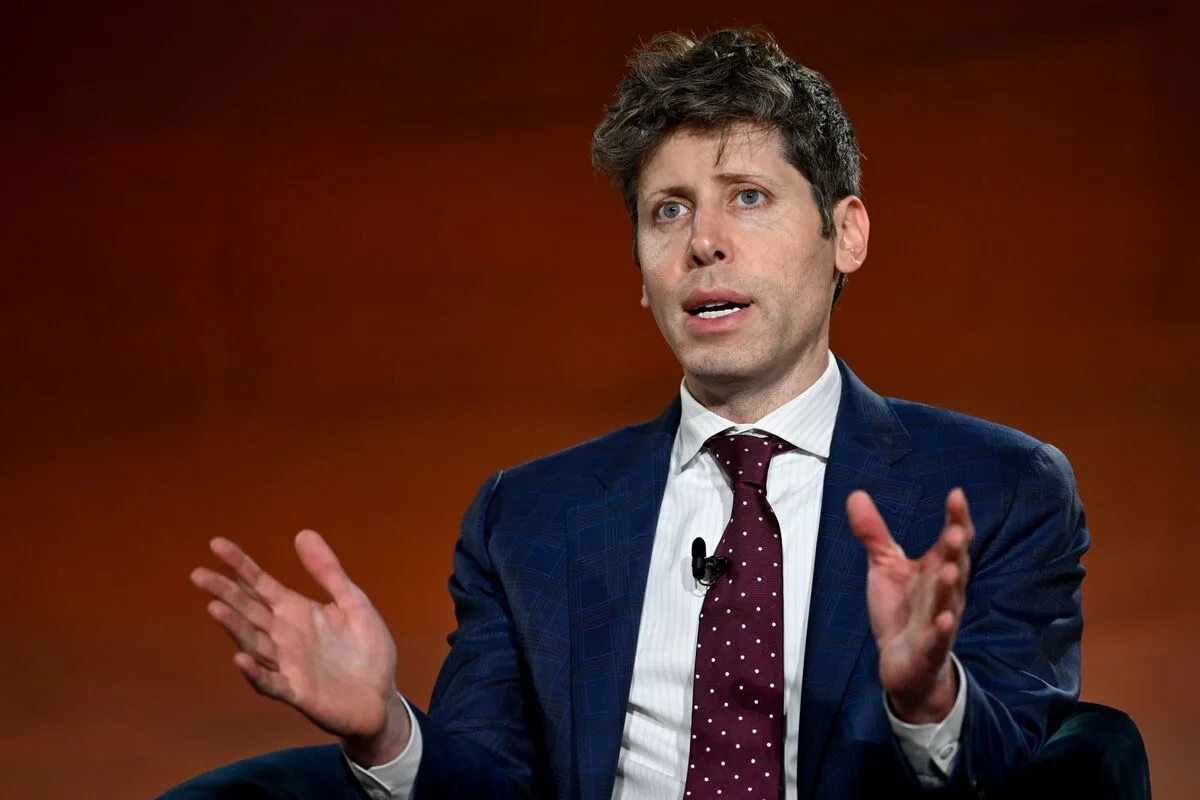
Sam Altman's Washington Visit and Why Industrial Robotics Folks Should Pay Attention
OpenAI's CEO is pushing public-private AI collaboration in DC, and if you think this doesn't affect your factory floor, I've got news for you.
Bildnachweis: Image via Source article. Used under fair use for news commentary. · source
I was having coffee with my old colleague Heinrich last week (he's still at Siemens, somehow surviving the endless reorgs) and he asked me why I keep writing about AI companies when my background is industrial automation. Fair question. But here's the thing: what happens in Sam Altman's meetings in Washington this week will eventually show up in your warehouse control systems, your quality inspection stations, and your robot programming interfaces. It always does.
Altman's visiting DC on Wednesday to pitch his vision for public-private collaboration on AI, according to Bloomberg. This comes after the latest Trump administration executive order on AI, and OpenAI's apparently got ideas about how oversight should work. They're also floating this concept of passing AI's financial windfall to consumers, whatever that means in practice. I'll be honest, I'm skeptical of any Silicon Valley company talking about sharing wealth, but that's a discussion for another day.
What caught my attention is the timing. When I was at Kuka, we watched the software layer eat more and more of what used to be pure mechanical engineering problems. Path planning went from lookup tables to neural networks. Vision systems went from blob detection to, well, whatever magic they're running now. Each time, the policy decisions made about general-purpose AI eventually filtered down into industrial applications. Sometimes it took five years. Sometimes eighteen months.
The separate Bloomberg piece about Mira Murati's comments is interesting context here. She said OpenAI would have basically imploded if Altman hadn't come back after that whole boardroom mess in 2023. That's a pretty stark assessment from someone who was there. It tells you something about how much of that company's direction is tied to one person's vision and relationships. For those of us who remember when industrial robotics was dominated by a handful of family-run German and Japanese companies, this kind of founder-dependent structure feels, I don't know, fragile? ABB and Fanuc weren't going to collapse if one executive left.
Verwandte Beiträge
More in AI Models
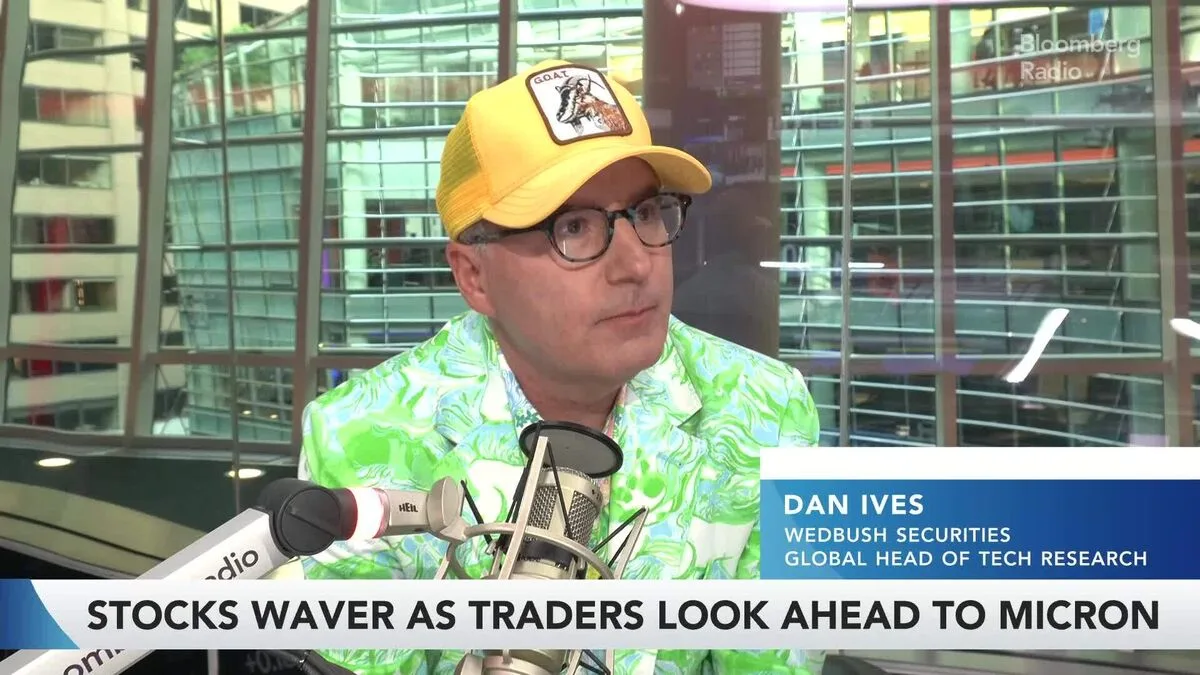
Chipmakers swung wildly this week, from a Tuesday 'chip-wreck' to a Micron-led surge after hours. What's actually going on with AI's hardware backbone?
Sarah Williams · 26 Jun · 5 min
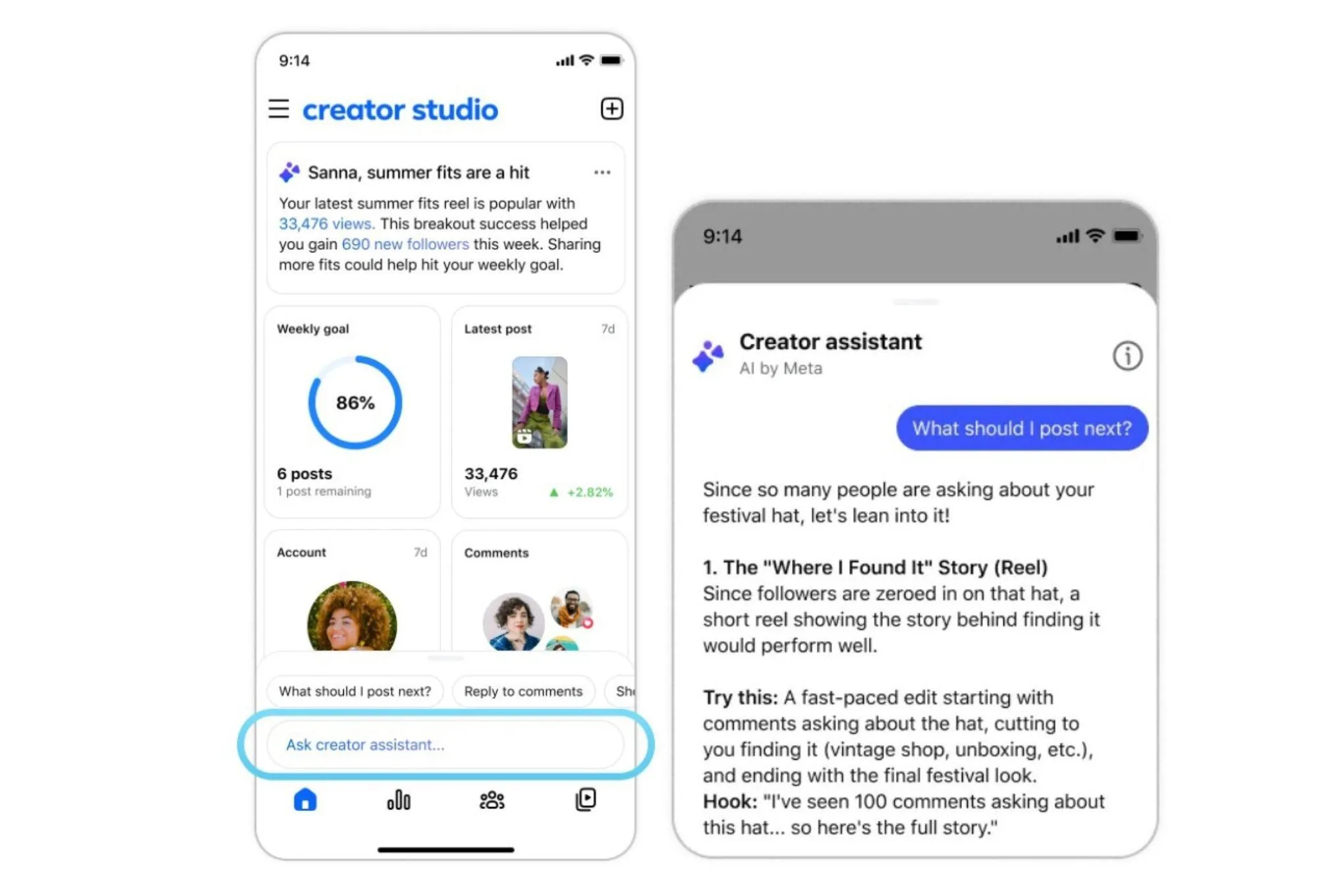
The original Creator Studio was shut down in 2023. Now it's back, rebuilt around an AI assistant that promises to grow your audience and reply to comments in your voice.
Sarah Williams · 26 Jun · 5 min
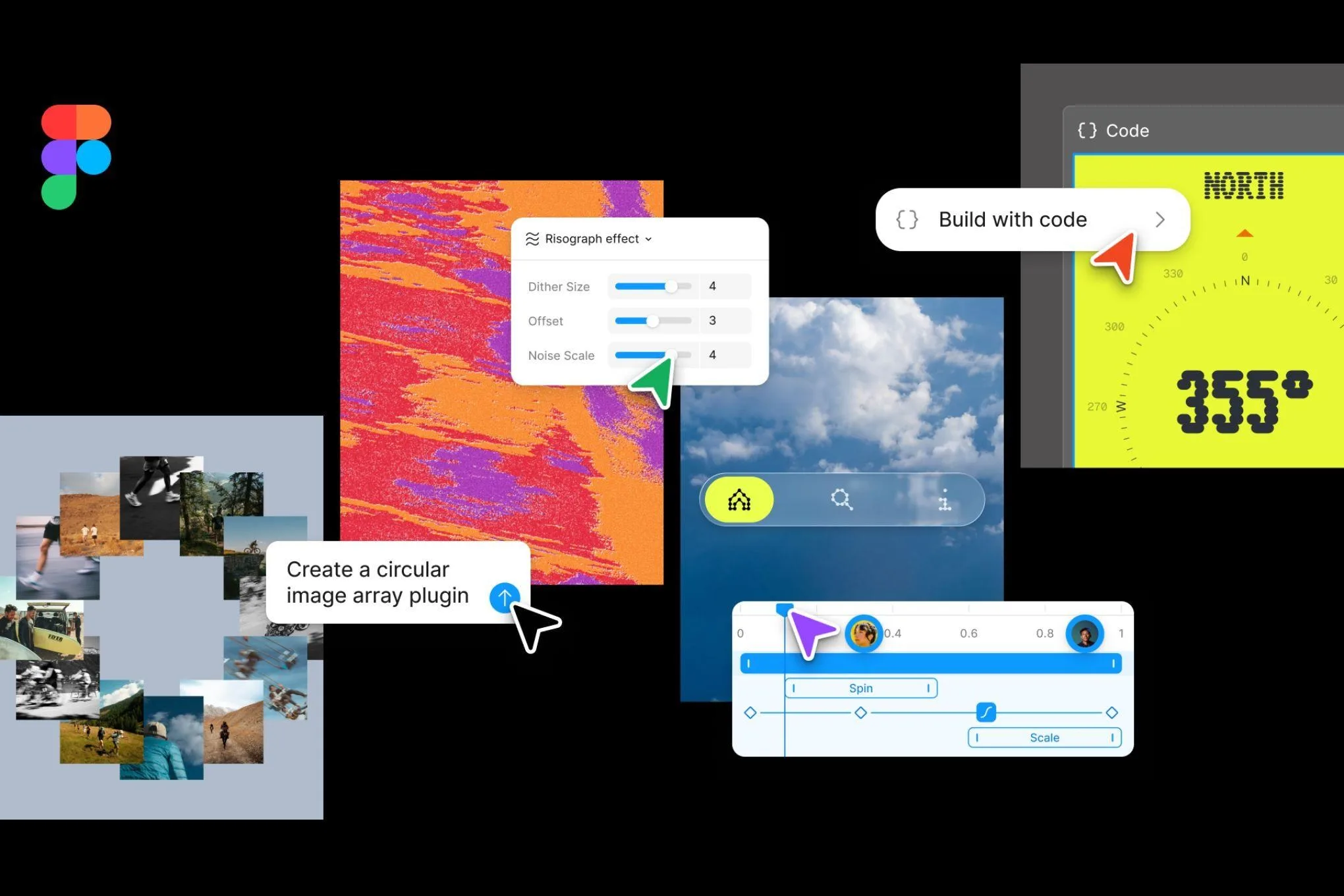
At its annual Config conference, Figma announced coding layers, AI-generated motion graphics, and a reimagined canvas that blurs the line between design and full-stack development.
Sarah Williams · 26 Jun · 5 min
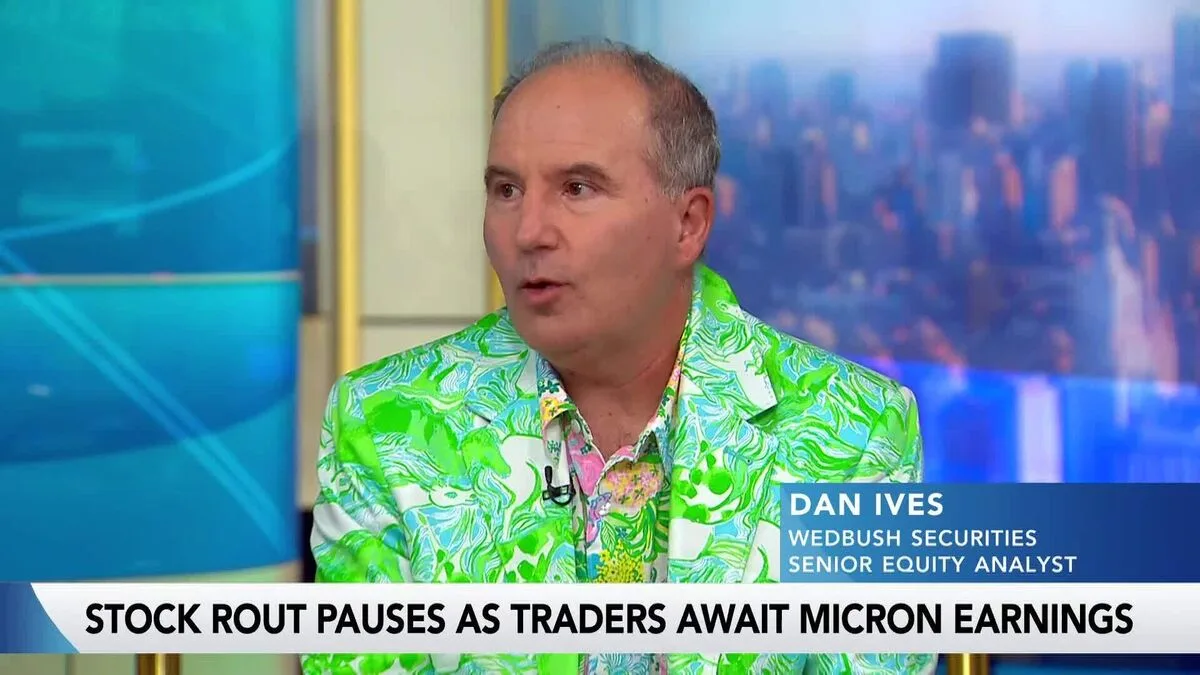
Everyone talks about chips and models. The memory bottleneck is the part of the AI buildout that keeps getting underestimated, and Micron's latest earnings make that case hard to ignore.