Salesforce's AI Problem Is Everyone's AI Problem
The CRM giant's lukewarm outlook tells us something uncomfortable about where enterprise software meets automation.
Bildnachweis: Image via source article. Used under fair use for news commentary. · source
Salesforce just posted earnings that missed analyst expectations by a hair, and the stock's getting punished for it. But here's the thing: the real story isn't about one quarter's numbers. It's about what happens when the software industry realizes AI might eat its lunch.
I'll be honest, I don't usually write about enterprise software. My world's been factory floors and robot arms for decades. But when I saw the Salesforce news, I called my old colleague at Siemens (he moved to their digital industries division a few years back) and asked what he was hearing. His take? "Everyone's nervous, Bob. Not just Salesforce."
The Disruption Nobody Wants to Talk About
Look, I've watched automation transform manufacturing for 30 years. When I started at Kuka back in the day, we were selling the idea that robots would handle the dangerous, repetitive stuff and humans would move up the value chain. That story worked because there was somewhere to move to.
The software industry told itself a similar story about AI. Copilots would handle the grunt work. Agents would automate the boring bits. Humans would focus on strategy and relationships. Bloomberg reports that investors are now "concerned about the possibility that artificial intelligence will disrupt the software business." That's putting it mildly.
Salesforce's guidance for the current period came in just below what analysts expected. Not a disaster, but not the growth story investors wanted. The company didn't disclose exact figures on how AI is affecting their pipeline, which, frankly, tells you something.
Verwandte Beiträge
More in AI Models
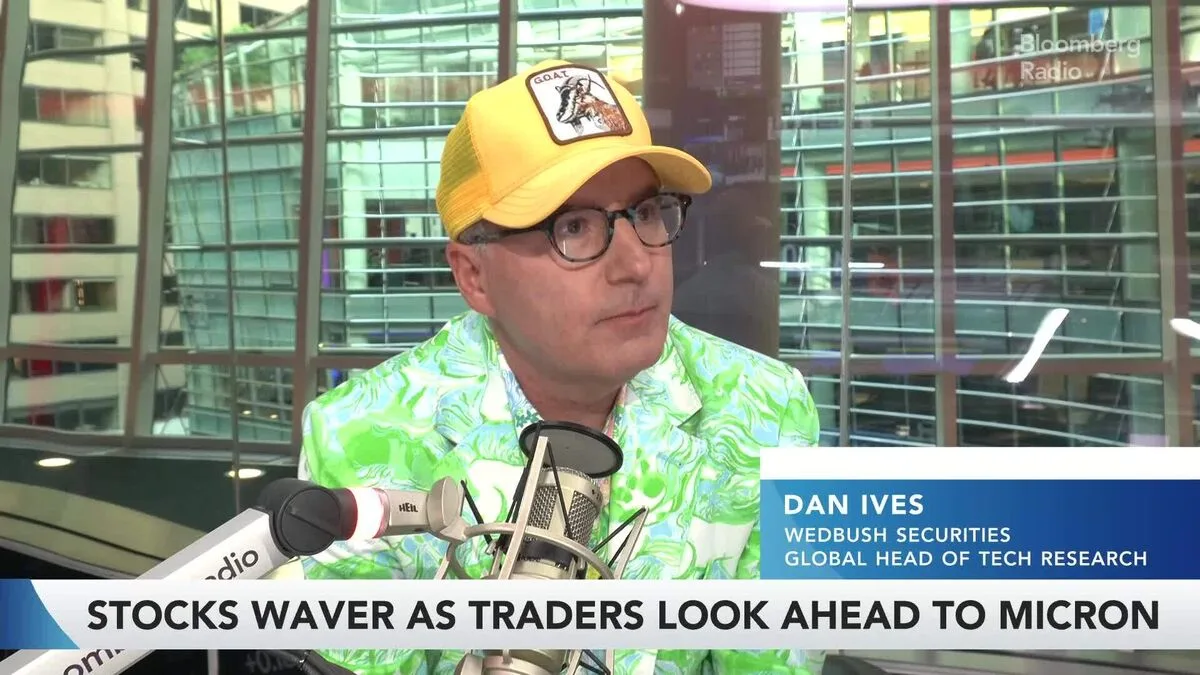
Chipmakers swung wildly this week, from a Tuesday 'chip-wreck' to a Micron-led surge after hours. What's actually going on with AI's hardware backbone?
Sarah Williams · 26 Jun · 5 min
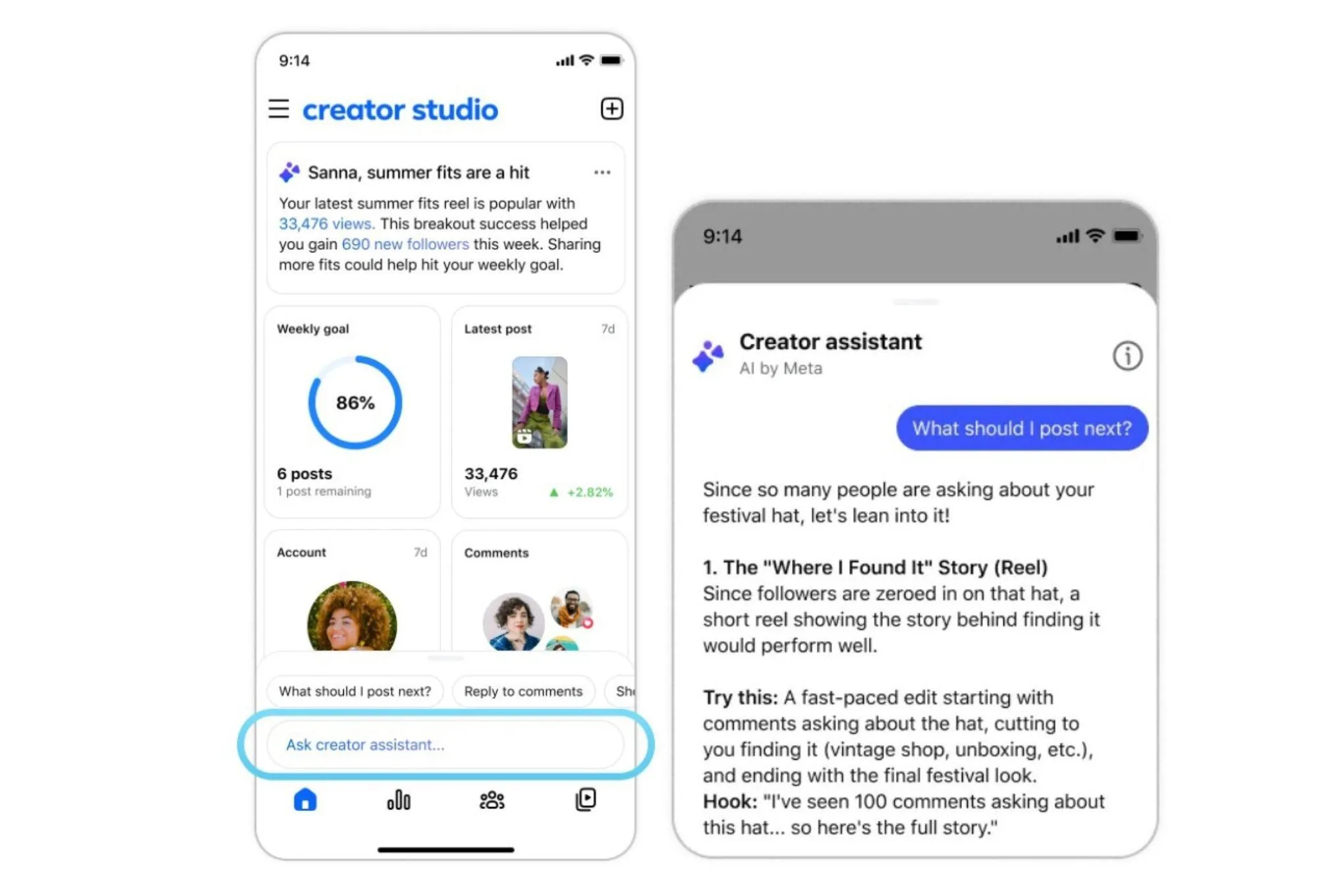
The original Creator Studio was shut down in 2023. Now it's back, rebuilt around an AI assistant that promises to grow your audience and reply to comments in your voice.
Sarah Williams · 26 Jun · 5 min
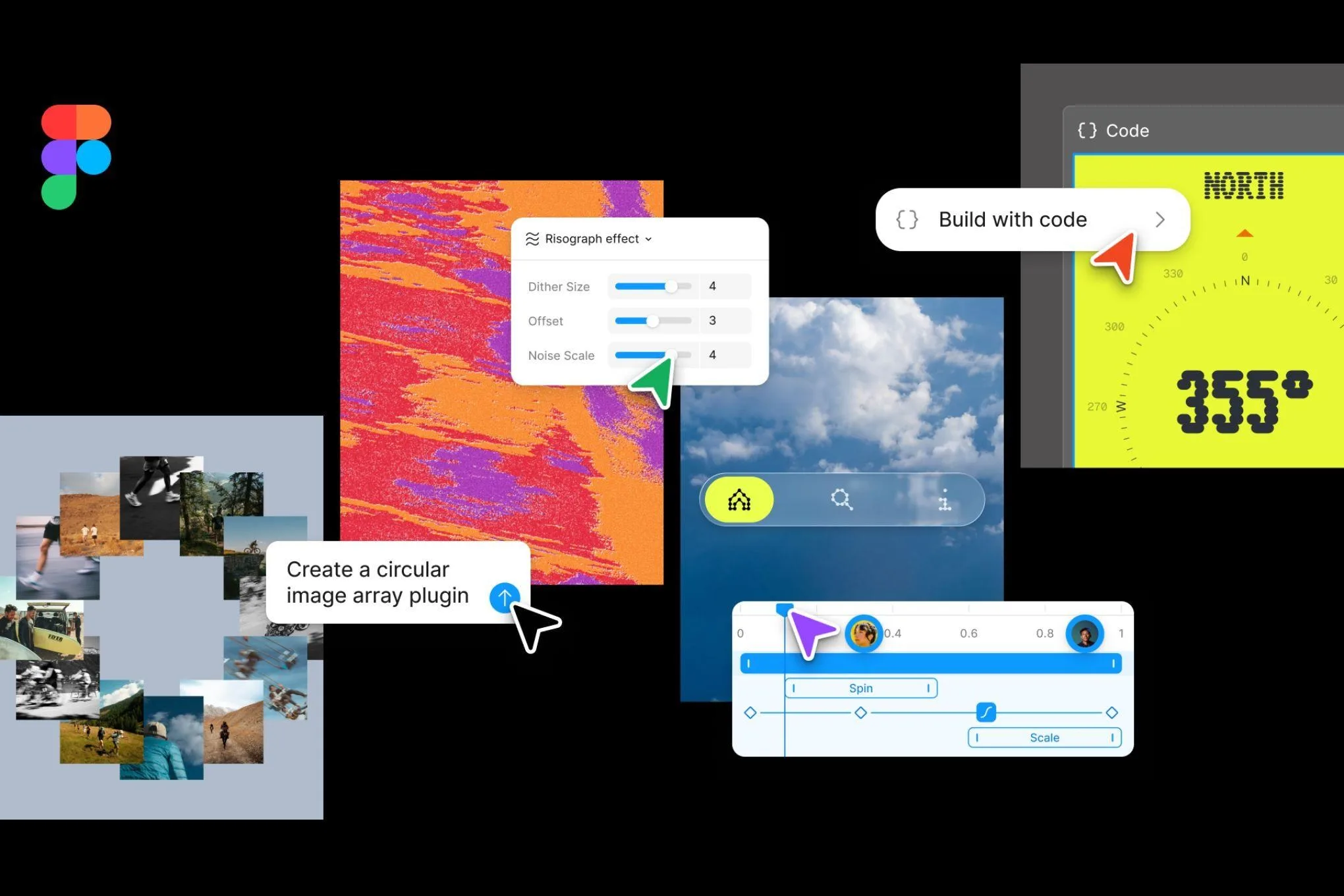
At its annual Config conference, Figma announced coding layers, AI-generated motion graphics, and a reimagined canvas that blurs the line between design and full-stack development.
Sarah Williams · 26 Jun · 5 min
Everyone talks about chips and models. The memory bottleneck is the part of the AI buildout that keeps getting underestimated, and Micron's latest earnings make that case hard to ignore.