$3.6 billion. For a customer service AI company. That's not a bolt-on acquisition to fill a product gap; that's a statement about where Salesforce thinks the enterprise software market is heading, and how urgently it needs to get there.
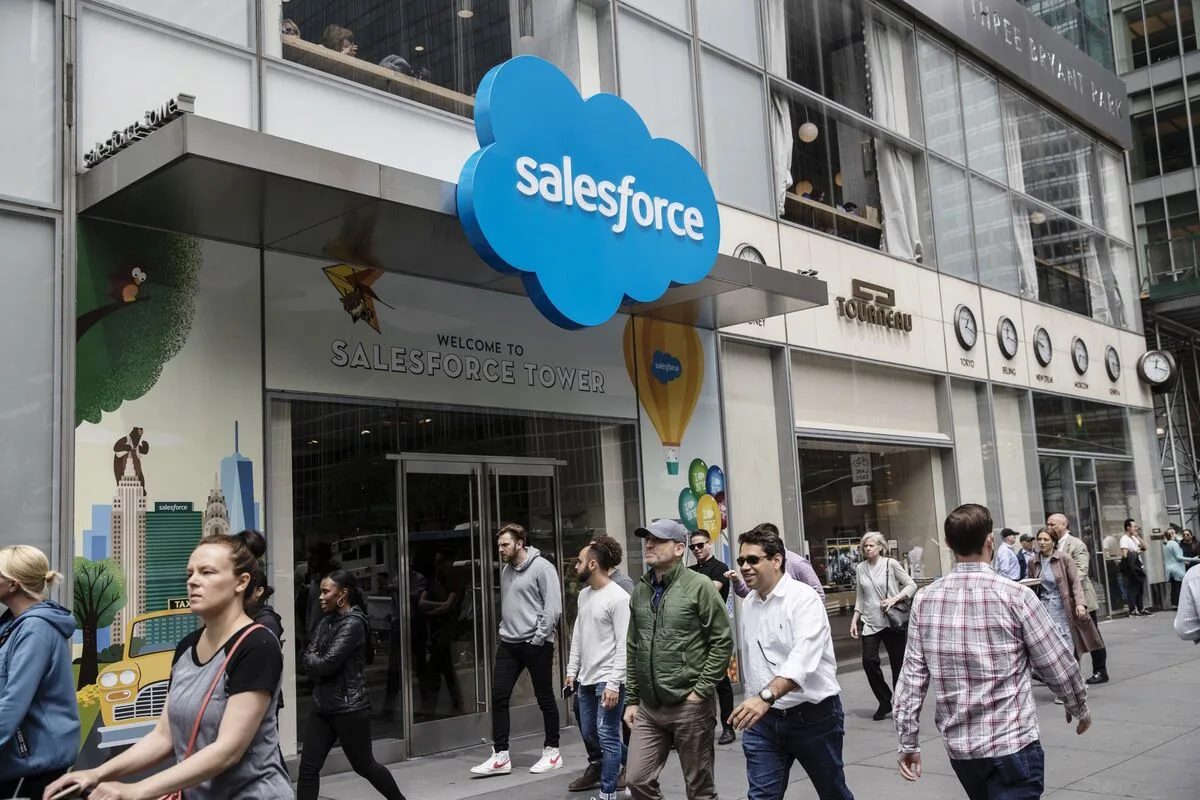
Bloomberg broke the deal on June 15, confirming Salesforce has agreed to acquire Fin, a firm building AI-powered customer agents, for approximately $3.6 billion. The strategic rationale, according to TechCrunch, is straightforward: Salesforce wants Fin's team and technology folded into Agentforce, its existing enterprise platform that lets businesses build custom AI agents to automate tasks.
Straightforward on paper, anyway. The harder question is whether $3.6 billion buys what Salesforce actually needs.
Fin builds AI agents designed specifically for customer service workflows. That means handling inbound queries, routing issues, resolving common problems without a human in the loop, and escalating when things get complicated. It's a crowded space. Intercom, Zendesk, Freshdesk, and a long tail of smaller startups are all working some version of this problem.
What differentiates Fin, at least in theory, is the quality of those agents. Customer service AI has a well-documented failure mode: it handles the easy tickets fine and falls apart the moment a customer asks something even slightly outside the training distribution. The companies that are actually gaining enterprise traction are the ones solving for that edge case problem, not just the happy path.
Verwandte Beiträge
More in AI Models
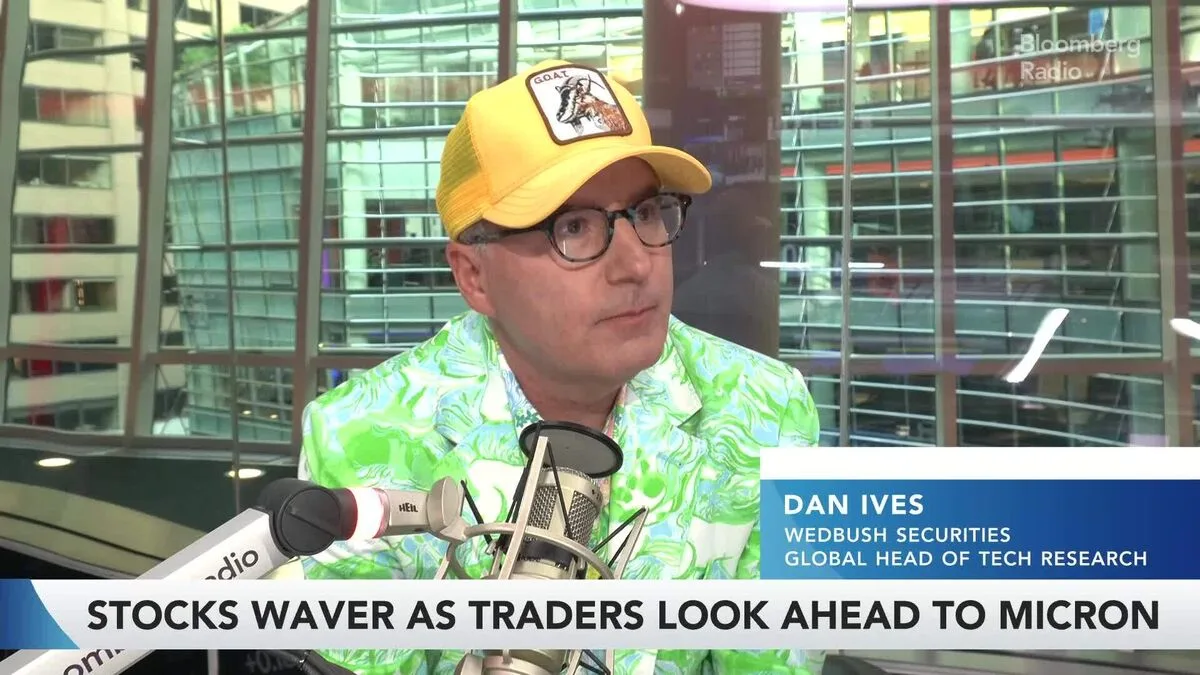
Chipmakers swung wildly this week, from a Tuesday 'chip-wreck' to a Micron-led surge after hours. What's actually going on with AI's hardware backbone?
Sarah Williams · 26 Jun · 5 min
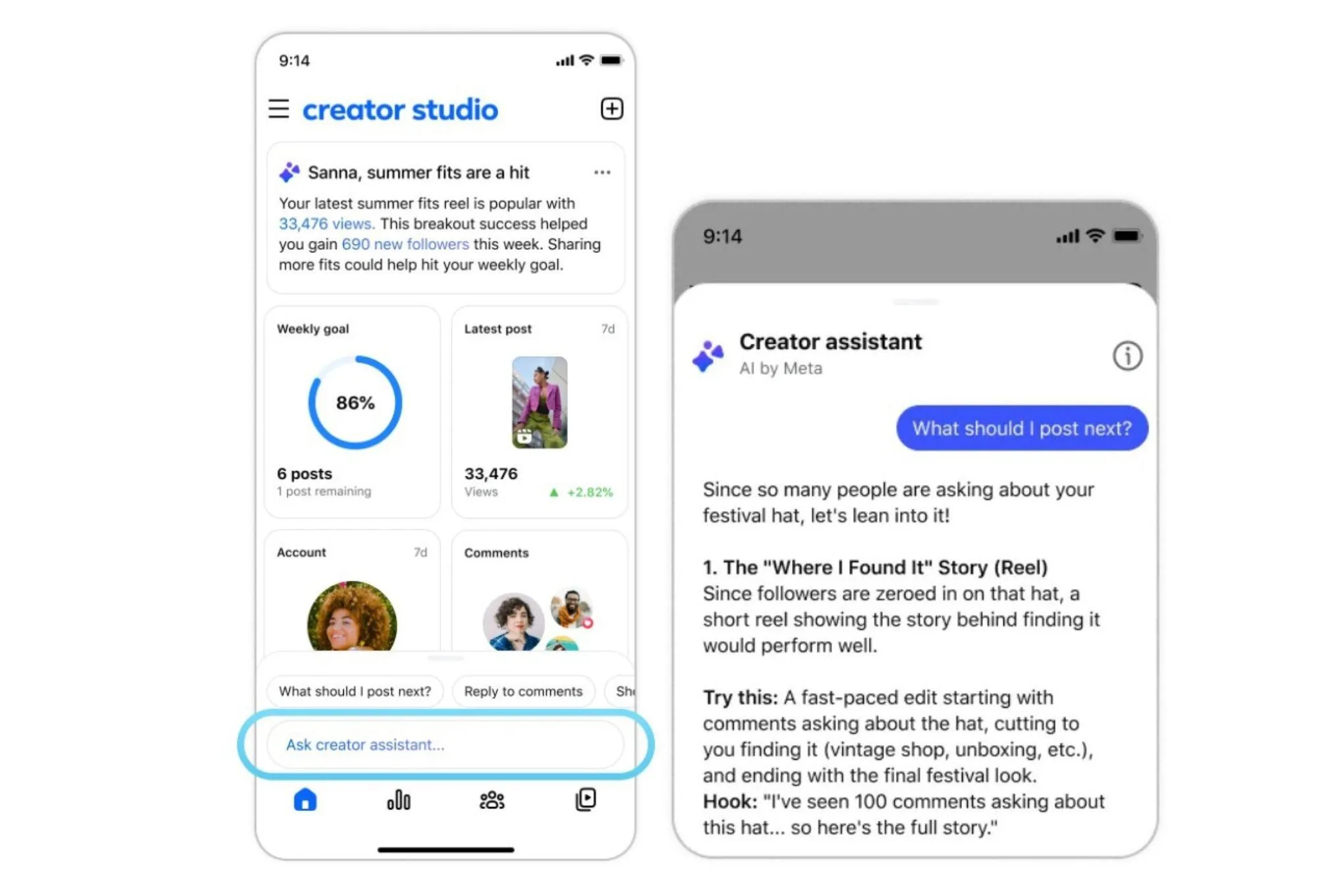
The original Creator Studio was shut down in 2023. Now it's back, rebuilt around an AI assistant that promises to grow your audience and reply to comments in your voice.
Sarah Williams · 26 Jun · 5 min
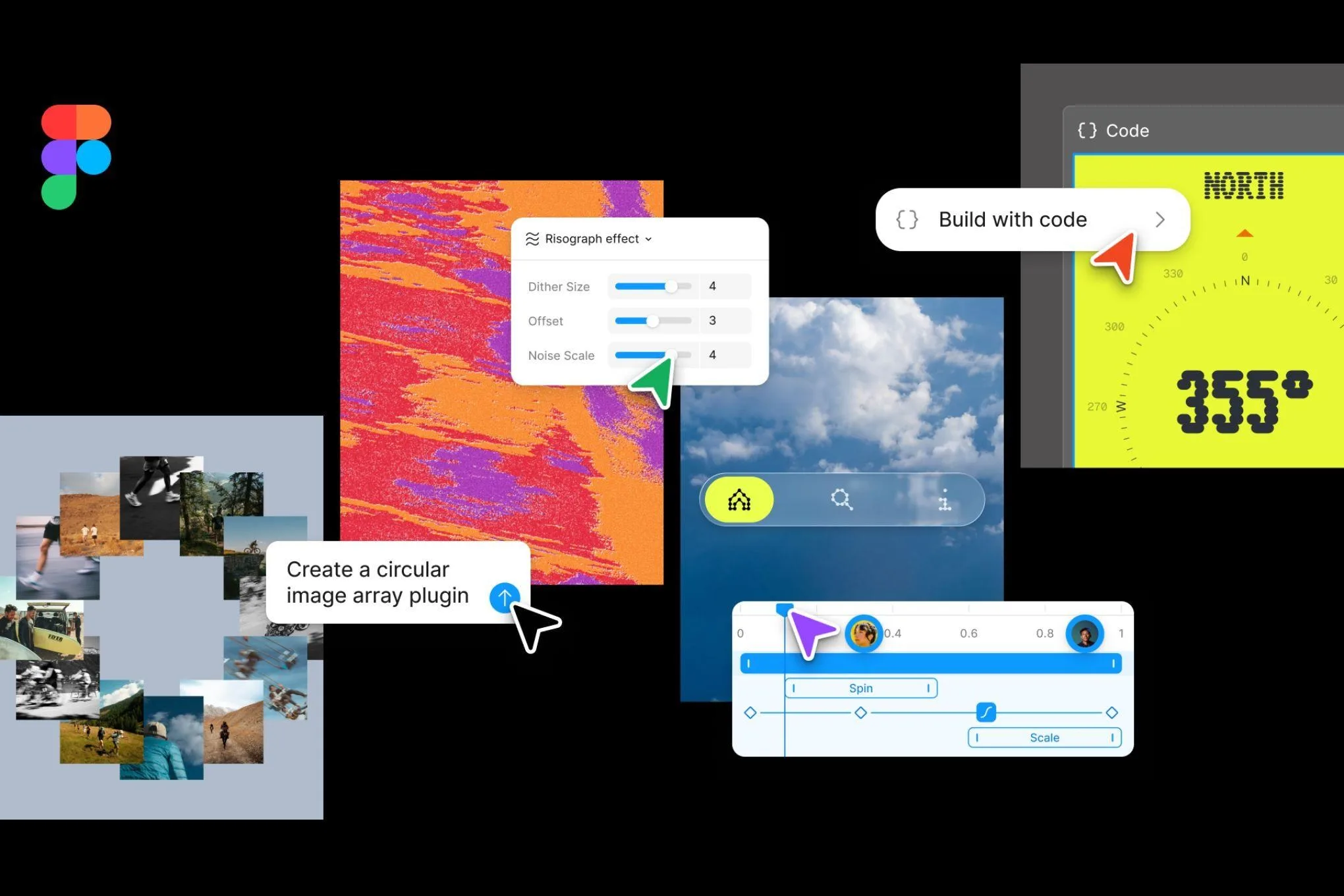
At its annual Config conference, Figma announced coding layers, AI-generated motion graphics, and a reimagined canvas that blurs the line between design and full-stack development.
Sarah Williams · 26 Jun · 5 min
Everyone talks about chips and models. The memory bottleneck is the part of the AI buildout that keeps getting underestimated, and Micron's latest earnings make that case hard to ignore.
I've seen enough spec sheets to know that "AI-powered" in a product description can mean almost anything. What remains unclear from the available reporting is exactly where Fin's technology sits on that spectrum, whether it's genuinely solving the hard edge cases or whether it's polished enough at the demo layer to command a $3.6 billion price tag. That's not a knock on Fin specifically; it's just a question the acquisition price makes worth asking.
Agentforce launched with significant fanfare. The pitch is that enterprise customers can use the platform to build their own AI agents, customized to their workflows, without starting from scratch. Salesforce positioned it as the connective tissue for the agentic AI era in enterprise software.
The problem is that building a platform for AI agents and actually having great AI agents are two different things. Platforms need compelling out-of-the-box use cases to drive adoption. Customer service is, arguably, the most obvious and highest-volume use case in enterprise AI right now. Every large company has a customer service operation. Every large company is looking for ways to reduce the cost of that operation. The ROI math is legible in a way that more speculative AI applications aren't.
So the logic of buying Fin makes sense from that angle. Salesforce isn't just acquiring technology; it's acquiring a proof point. A production-grade customer service AI capability that it can demonstrate to enterprise buyers is more valuable than a roadmap item.
Look, the real test here isn't the acquisition announcement. It's whether Fin's technology actually integrates with Agentforce cleanly and whether enterprise customers adopt it at scale. That's a 12 to 24 month story, not a June 2026 story.
Salesforce's market cap sits in the neighborhood of $250 billion, so this is a meaningful but not existential bet.
For comparison, Salesforce paid $27.7 billion for Slack in 2021, $15.7 billion for Tableau in 2019, and $1.33 billion for MuleSoft in 2018 before that deal closed at a higher figure. $3.6 billion for Fin puts it in the mid-tier of Salesforce's acquisition history.
The AI customer service market is competitive enough that paying a premium to leapfrog internal development timelines has a plausible financial logic, even at this price.
What the numbers don't tell us is Fin's revenue, customer count, or gross margin profile. Salesforce hasn't disclosed those figures, which makes the $3.6 billion valuation somewhat hard to evaluate on fundamentals. That's not unusual for an acquisition announcement, but it does mean we're largely taking Salesforce's word that this is the right price for what they're getting.
That's an ambitious number to justify without more disclosure. I'd want to see the contract retention data and the average resolution rate on complex tickets before I called it a bargain.
This acquisition fits a pattern that's been building across enterprise software for the past 18 months or so. Large incumbents, companies with distribution, existing enterprise relationships, and established platforms, are concluding that building competitive AI capabilities from scratch is too slow. So they're buying.
Salesforce buying Fin. ServiceNow expanding its AI capabilities through partnerships and smaller acquisitions. Microsoft folding in AI across the entire Office and Azure stack, partly through its OpenAI relationship. The message from the market is consistent: the window to establish AI leadership in enterprise software feels short, and organic development timelines don't fit that window.
From my time in hardware, the analogy that comes to mind is component sourcing under supply chain pressure. When you can't build fast enough, you buy the subassembly. The risk is that the subassembly doesn't integrate as cleanly as the spec sheet promises. Software has the same problem, just with APIs and data pipelines instead of physical connectors.
Whether Fin integrates cleanly into Agentforce, whether the combined product actually performs better than what Salesforce could have built, and whether enterprise customers care enough to pay for it at scale: all of that is too early to say. The acquisition closes first. The hard work starts after.
The immediate questions are practical. Integration timelines. Which Fin team members stay. How Salesforce positions Fin's existing customers relative to the broader Agentforce offering. Whether Fin continues as a named product or gets absorbed entirely into the Agentforce brand.
None of that has been answered yet, at least not in the public reporting available as of June 15.
The longer-term question is whether this moves the needle for Agentforce adoption in a meaningful way. Customer service AI is a real market with real budget attached to it. If Fin's technology is as good as the acquisition price implies, Salesforce just bought itself a credible entry into that market with a platform it can scale across its existing customer base. That's the optimistic read.
The skeptical read is that $3.6 billion is a lot to pay for a capability that Salesforce's competitors are also building, in a market where the technology is evolving fast enough that today's differentiation is tomorrow's table stakes. This raises questions about... well, multiple things, including whether the moat Fin has built is durable enough to justify the price over a three to five year horizon.
I'll be watching the Agentforce adoption numbers in Salesforce's next few earnings calls. That's where this deal either pays off or doesn't.