Robinhood's AI trading feature is algorithmic trading for people who don't know what algorithmic trading is
The company's new 'agentic trading' sounds revolutionary until you remember we've been doing this since the 1980s.
Bildnachweis: Image via source article. Used under fair use for news commentary. · source
Most of the coverage I've seen about Robinhood's new AI agent trading feature treats it like some bold leap into the future. It isn't. What Robinhood announced this week is algorithmic trading with a chatbot wrapper, and I've seen this movie before.
The pitch is simple enough: you create a separate account, load it with money, and let an AI agent buy and sell stocks on your behalf. TechCrunch reported it straight, The Verge noted the risk warnings. But nobody seems to be asking the obvious question, which is why we're pretending this is new when hedge funds have been doing automated trading for four decades.
The rebranding of old ideas
Here's what's actually happening. Robinhood is taking the concept of algorithmic trading (computers executing trades based on predefined rules) and packaging it for retail investors who grew up asking ChatGPT to write their college essays. The "AI agent" framing makes it sound like you've got a little robot buddy managing your portfolio. What you've actually got is automated trading with more marketing polish and, I suspect, less sophistication than what the professionals use.
Call me old-fashioned, but when I hear "AI agent," I think of something that reasons, adapts, learns from novel situations. What Robinhood is describing sounds more like "monitor specific industries and make trades, or rebalance an existing portfolio." That's not artificial general intelligence making investment decisions. That's a script with better PR.
Verwandte Beiträge
More in AI Models
Chipmakers swung wildly this week, from a Tuesday 'chip-wreck' to a Micron-led surge after hours. What's actually going on with AI's hardware backbone?
Sarah Williams · 26 Jun · 5 min
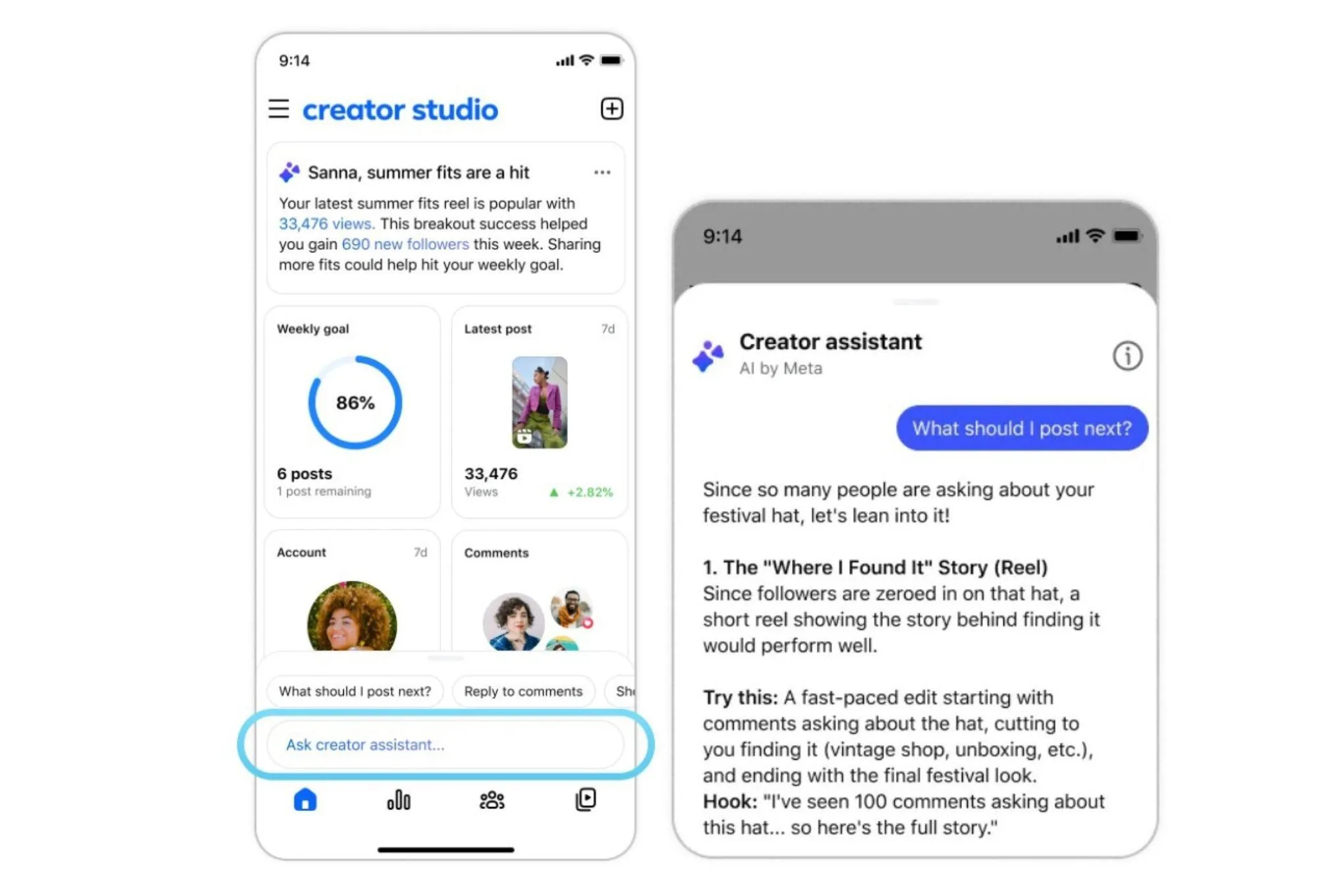
The original Creator Studio was shut down in 2023. Now it's back, rebuilt around an AI assistant that promises to grow your audience and reply to comments in your voice.
Sarah Williams · 26 Jun · 5 min
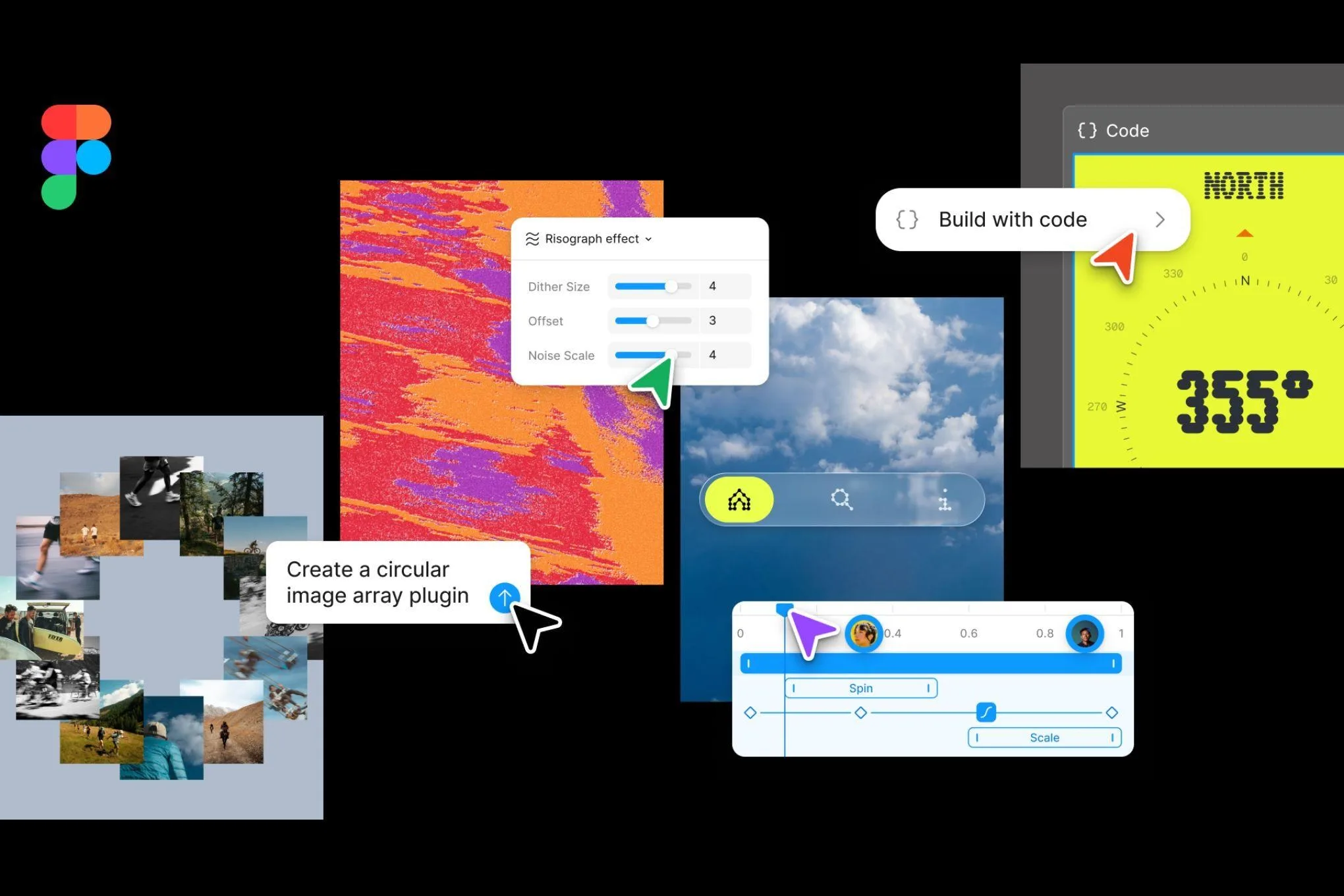
At its annual Config conference, Figma announced coding layers, AI-generated motion graphics, and a reimagined canvas that blurs the line between design and full-stack development.
Sarah Williams · 26 Jun · 5 min
Everyone talks about chips and models. The memory bottleneck is the part of the AI buildout that keeps getting underestimated, and Micron's latest earnings make that case hard to ignore.