OpenAI's Sora 2 launches with safety claims, but the hard questions remain unanswered
The company says it built safety 'at the foundation' of its new video generator. I went looking for the technical details and came up mostly empty.
By
·24 May 2026·5 Min. Lesezeit
What exactly does 'safety at the foundation' mean for a video generation model?
That's the question I kept asking myself while reading through OpenAI's announcements about Sora 2, the upgraded version of its text-to-video AI that's now available through a dedicated social creation platform. The company published two blog posts on the launch, both heavy on reassurance and light on specifics.
OpenAI released Sora 2 alongside what it calls the 'Sora app,' a social platform where users can create and share AI-generated videos. The company describes this as a 'state-of-the-art video model' paired with 'a new social creation platform.' That's two products in one: the underlying model and the distribution layer.
The safety framing is front and center. Both announcements use nearly identical language, stating that the team 'built Sora 2 and the Sora app with safety at the foundation' and that their 'approach is anchored in concrete protections.'
Here's the problem. I read both posts looking for those concrete protections. I found the phrase 'concrete protections' but not, well, the concrete protections themselves. The public documentation doesn't specify what content filters are in place, what red-teaming was conducted, how the model handles requests for photorealistic depictions of real people, or what watermarking or provenance systems (if any) are embedded in generated videos.
That's an ambitious claim to make without the receipts.
Verwandte Beiträge
More in AI Models
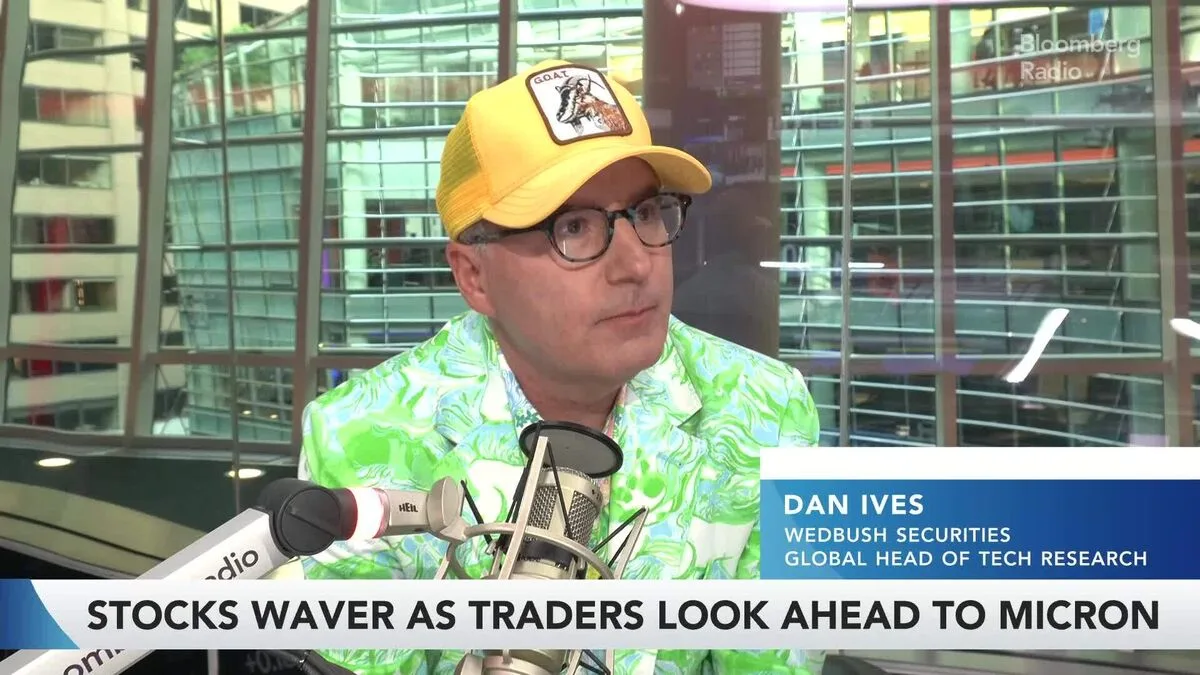
Chipmakers swung wildly this week, from a Tuesday 'chip-wreck' to a Micron-led surge after hours. What's actually going on with AI's hardware backbone?
Sarah Williams · 26 Jun · 5 min
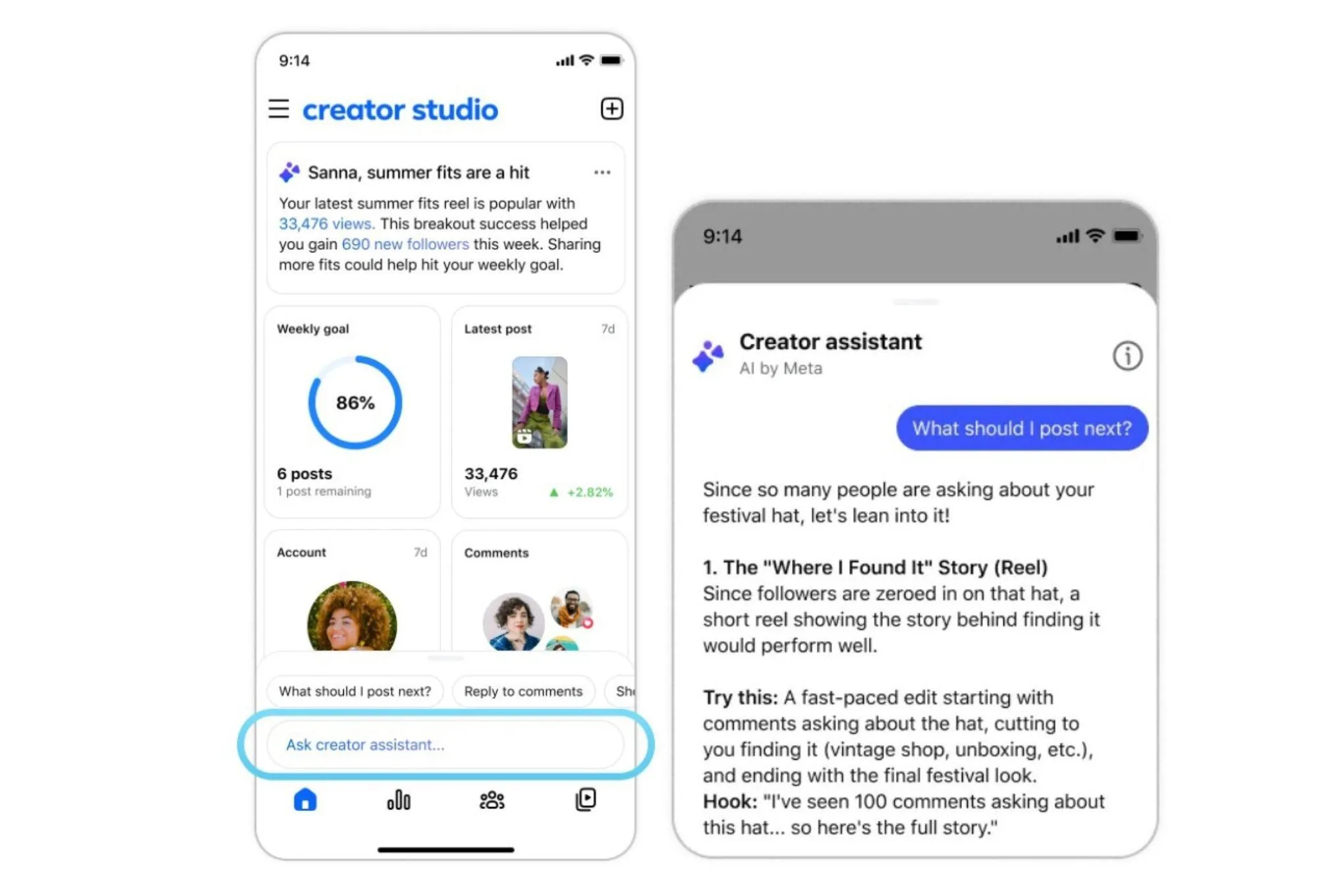
The original Creator Studio was shut down in 2023. Now it's back, rebuilt around an AI assistant that promises to grow your audience and reply to comments in your voice.
Sarah Williams · 26 Jun · 5 min
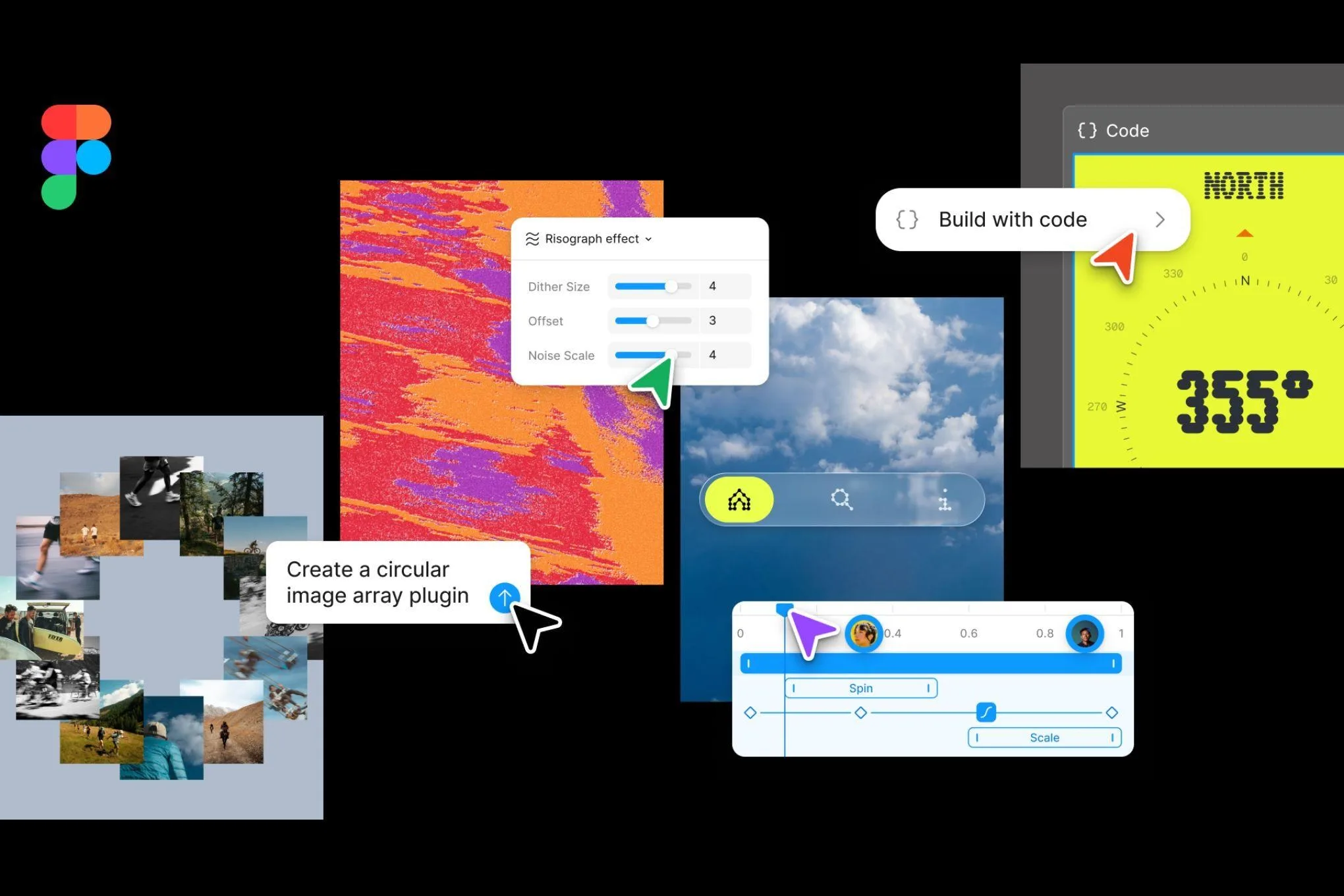
At its annual Config conference, Figma announced coding layers, AI-generated motion graphics, and a reimagined canvas that blurs the line between design and full-stack development.
Sarah Williams · 26 Jun · 5 min
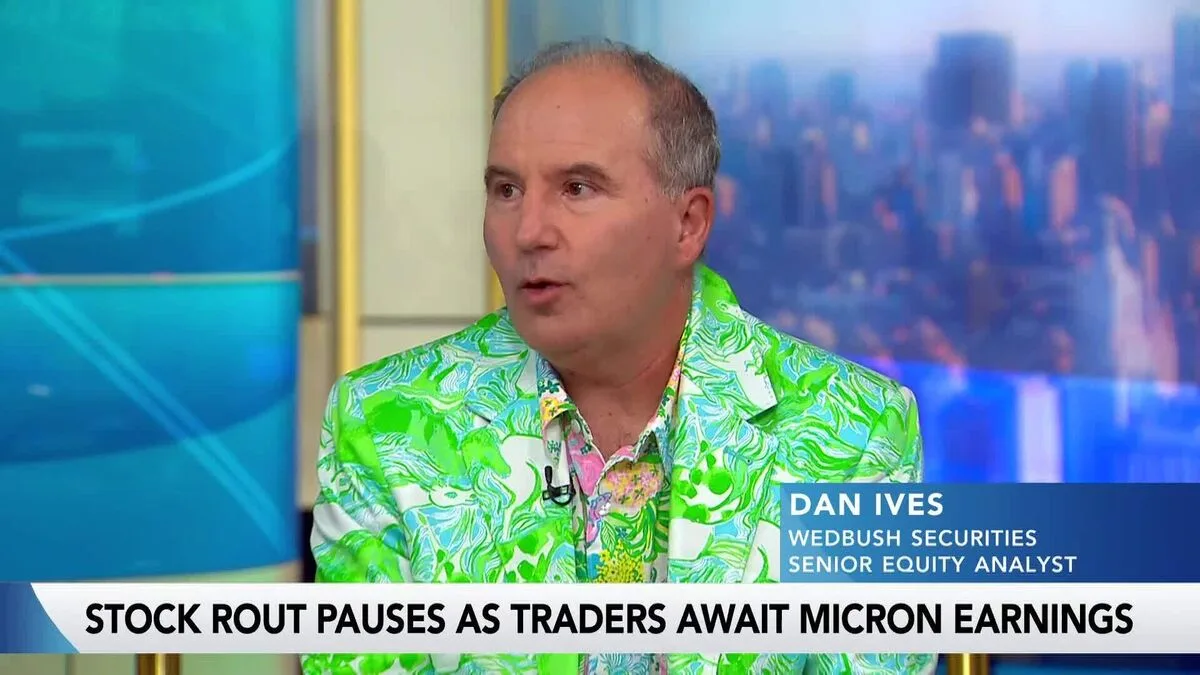
Everyone talks about chips and models. The memory bottleneck is the part of the AI buildout that keeps getting underestimated, and Micron's latest earnings make that case hard to ignore.
Look, I cover industrial automation, not generative AI. But here's why this belongs in a robotics publication: video generation models are increasingly relevant to simulation, synthetic training data, and robot learning pipelines.
Companies like NVIDIA, Google DeepMind, and several well-funded startups are using video prediction and generation models to help robots understand physics, predict outcomes, and train on scenarios that would be expensive or dangerous to replicate in the real world. If Sora 2 represents a meaningful step forward in video fidelity and temporal coherence, it has implications beyond creative tools.
The safety question also translates directly. From my time building hardware at Fanuc, I learned that 'safety at the foundation' means something specific: redundant sensors, fail-safe states, certified stop functions, physical interlocks. It's auditable. You can point to the components.
With a video generation model, what's the equivalent? Content classifiers? Prompt filtering? Output scanning? We don't know, because OpenAI didn't say.
I went through both OpenAI blog posts looking for technical specifics. Here's what I couldn't find:
Model architecture details: No information on parameter count, training data composition, or how Sora 2 differs architecturally from the original Sora previewed in early 2024.
Red team findings: No published results from adversarial testing. OpenAI has released red team reports for other models (GPT-4, for instance). Nothing comparable here.
Content policy specifics: The posts mention 'novel safety challenges' but don't enumerate them or explain how they're addressed.
Watermarking and provenance: No mention of C2PA metadata, invisible watermarks, or any system for identifying Sora-generated content after the fact.
Rate limits or access controls: No information on how many videos users can generate, what verification is required, or whether there are tiered access levels.
Maybe these details exist somewhere. Maybe they'll be published later. But launching a 'state-of-the-art' video model with a social sharing platform and providing this little technical documentation is, at minimum, incomplete.
It's hard to benchmark Sora 2 without specifications. Google's Veo 2, announced recently, came with at least some technical framing: the company discussed temporal consistency, physics understanding, and provided comparison videos. Runway's Gen-3 Alpha has published information about its safety approach, including content classifiers and terms of service enforcement.
I'm not saying those companies have solved video generation safety. They haven't. But there's a baseline level of documentation that makes evaluation possible. OpenAI's announcements read more like marketing copy than technical disclosure.
The phrase 'anchored in concrete protections' appears in both posts, word for word. That's not an accident. It's messaging. And messaging without substance is, in my experience, a yellow flag.
If you're a researcher, policymaker, or practitioner thinking about video generation safety, here's what remains unclear:
Training data: What video datasets were used? Were there licensing agreements? How was consent handled for any footage containing identifiable people?
Deepfake mitigation: Can users generate photorealistic videos of real public figures? Real private individuals? What detection or prevention systems are in place?
Downstream use restrictions: Can Sora 2 outputs be used to train other models? What about commercial use in advertising, journalism, or entertainment?
Abuse response: When (not if) the model is used to generate harmful content, what's the takedown process? What's the appeals process? How quickly can OpenAI respond?
Third-party audits: Has any external organization evaluated Sora 2's safety systems? If so, where are the results?
These aren't gotcha questions. They're the minimum bar for responsible deployment of a generative model with social distribution built in.
I've seen enough spec sheets to know that launch announcements are optimized for enthusiasm, not accuracy. The actual safety posture of Sora 2 will become apparent over the coming weeks and months as researchers probe the system, as edge cases emerge, and as OpenAI either publishes more documentation or doesn't.
The company has a mixed track record here. It published a detailed GPT-4 system card with red team findings. It also launched ChatGPT with minimal safety documentation and iterated publicly (and sometimes messily) afterward. Which version of OpenAI are we getting with Sora 2?
It's too early to say. The announcements don't give us enough information to evaluate the claims being made.
What I can say is this: 'safety at the foundation' is a strong claim. Foundations are load-bearing. They're inspectable. They're documented in blueprints before construction begins.
If OpenAI wants that phrase to mean something, the blueprints need to be public. Right now, we're being asked to trust the architecture based on a rendering of the finished building.
That's not how safety engineering works. At least, not in any field I've worked in.