OpenAI's GPT-5 sprint: six model releases in months raises questions about what 'frontier' even means
The company has shipped GPT-5, 5.1, 5.2, 5.5, and a Codex variant in rapid succession. I've seen this versioning chaos before.
By
Six versions. That's how many GPT-5 variants OpenAI has released in what feels like the blink of an eye, and honestly, I'm getting flashbacks to the browser wars of the late 90s when Netscape and Microsoft were shipping point releases so fast that nobody could keep track of what was actually new versus what was marketing.
Call me old-fashioned, but when a company releases GPT-5, then GPT-5.1, then GPT-5.2, then GPT-5.5, plus a specialized Codex variant, all within a compressed timeframe, it starts to feel less like measured technological progress and more like a land grab. The question isn't whether these models are good (they probably are), it's whether this pace of release actually serves developers and users, or whether it's primarily about maintaining mindshare in an increasingly crowded AI race.
What's actually in these releases?
Let's try to untangle this, because OpenAI's blog has been busy. The base GPT-5 was pitched as "a significant leap in intelligence" with improvements across coding, math, writing, health applications, and visual perception. Standard flagship stuff. Then came GPT-5.1 for developers, which added faster adaptive reasoning, extended prompt caching, and new tools called apply_patch and shell. Practical updates for people building things.
GPT-5.2 arrived with claims of being "our most advanced frontier model for everyday professional work," which, if you're keeping score at home, means the frontier moved twice in rapid succession. Then there's GPT-5.5, described as "our smartest model yet" (again!), positioned for complex tasks like coding, research, and data analysis. And finally, GPT-5-Codex, a variant specifically optimized for agentic coding that "adjusts its thinking effort more dynamically based on task complexity."
Verwandte Beiträge
More in AI Models
Chipmakers swung wildly this week, from a Tuesday 'chip-wreck' to a Micron-led surge after hours. What's actually going on with AI's hardware backbone?
Sarah Williams · 26 Jun · 5 min
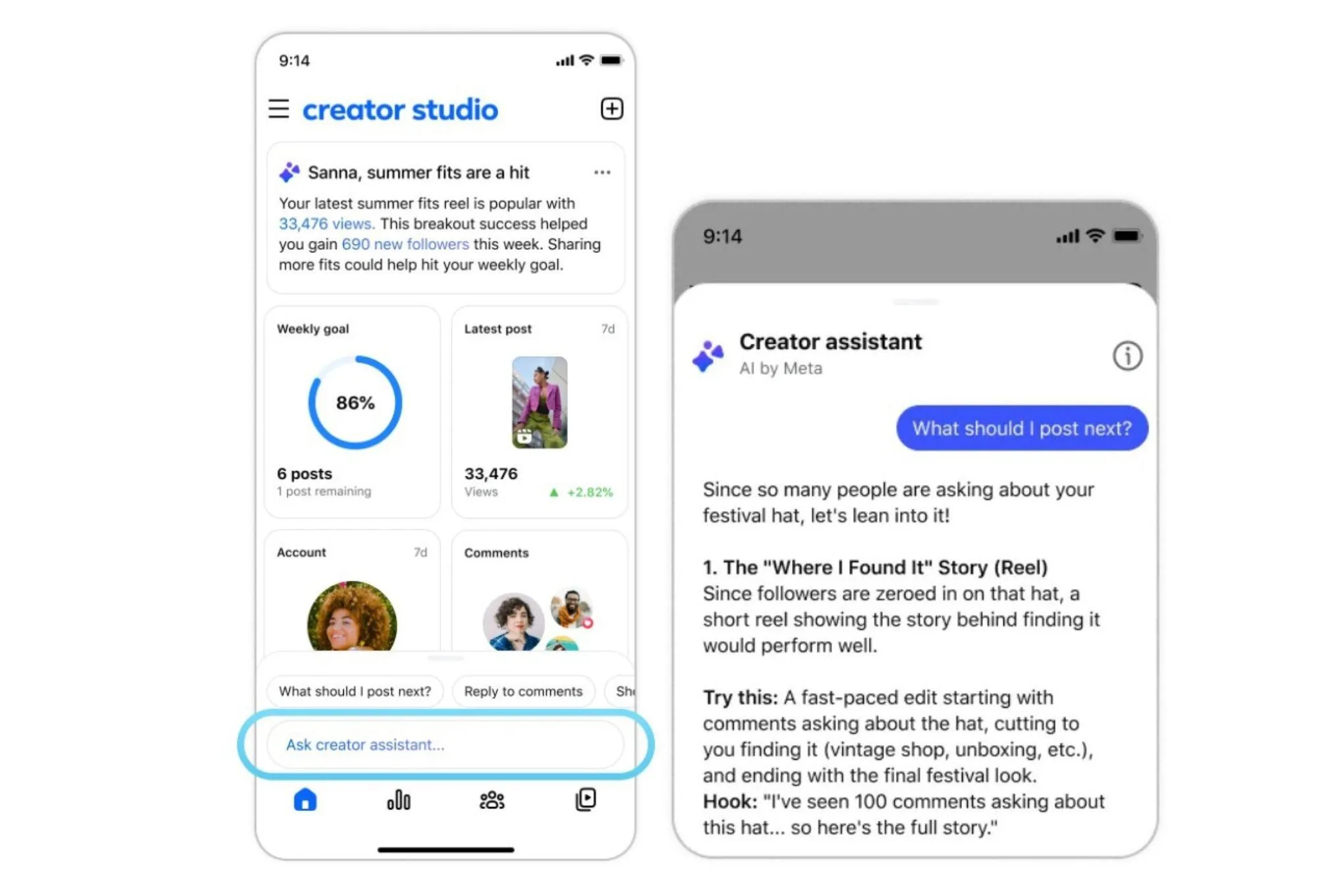
The original Creator Studio was shut down in 2023. Now it's back, rebuilt around an AI assistant that promises to grow your audience and reply to comments in your voice.
Sarah Williams · 26 Jun · 5 min
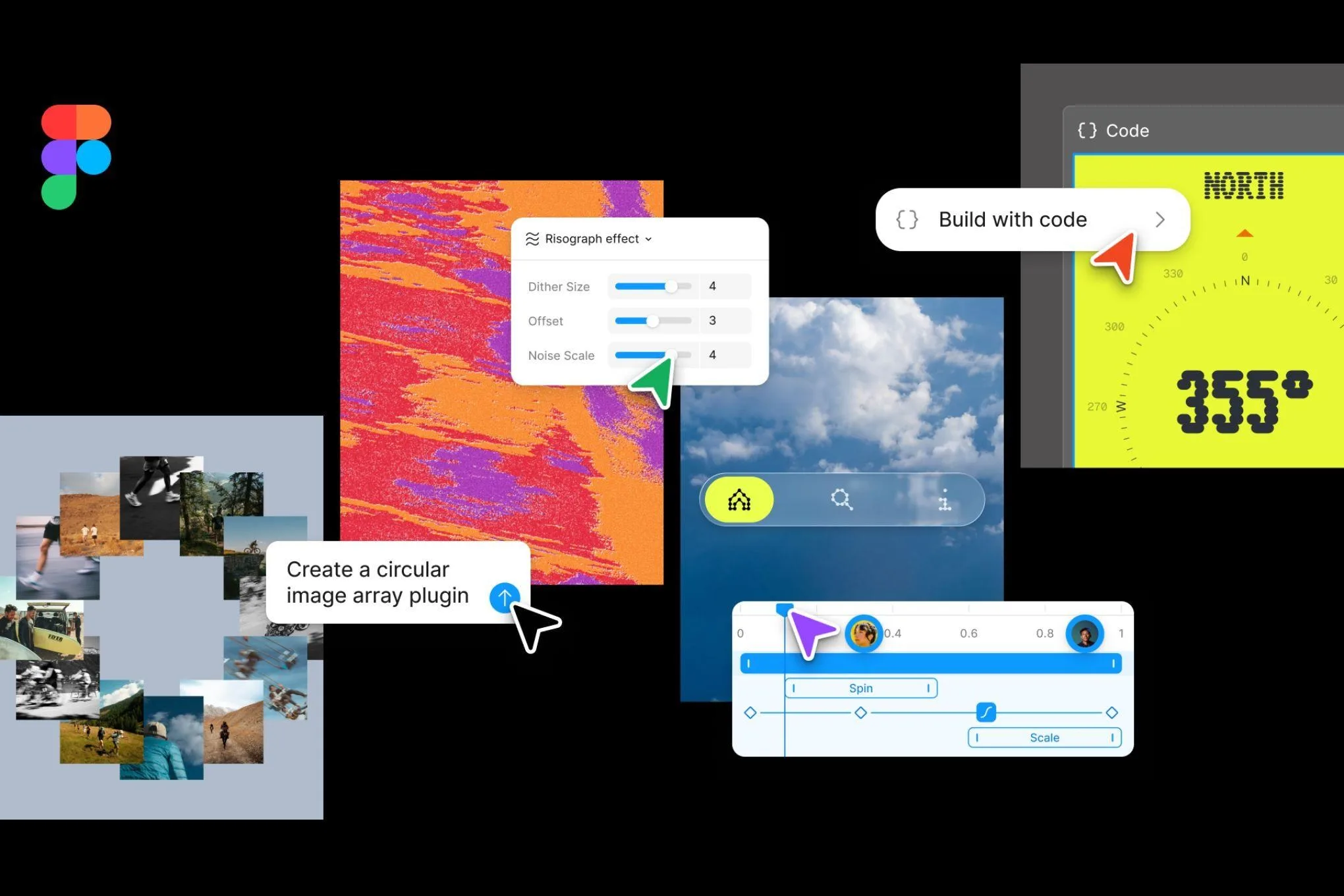
At its annual Config conference, Figma announced coding layers, AI-generated motion graphics, and a reimagined canvas that blurs the line between design and full-stack development.
Sarah Williams · 26 Jun · 5 min
Everyone talks about chips and models. The memory bottleneck is the part of the AI buildout that keeps getting underestimated, and Micron's latest earnings make that case hard to ignore.